Author Archives: Vironevaeh

Writing prompt: National Hat Day

Time: 10 minutes. Click here to go to my list of prompts.

“National Hat Day” (It’s true, January 15th is National Hat Day! This list is an awesome source of completely silly prompts, such as the Feast of Fabulous Wild Men Day)

“That is the ugliest hat in history,” Sita giggled.

Alma giggled too. It was an exercise in atrociousness. It had scraggly feathers sticking out at inharmonious angles. The fabric was threadbare in inexplicable spots. The pattern of the fabric was a loose checker, with the pattern misaligned at the seams. At all. It was several sizes too big, and clearly meant to fit snugly.

Alma shrugged. “I guess it’s a conversation starter.”

Sita shook her head. “No. I’d take one look at a person wearing that and I’d be out of the room. A person wearing that hat has bedbugs and halitosis, and those are the better aspects of their personality.”

Alma tried to laugh, but couldn’t manage. “In all seriousness, it called out to me. I feel like it belonged to someone I knew, or that by holding it I know the people who wore it.”

Sita frowned. “Okay, whatever. Is it for a Halloween costume?”

“No,” Alma said, troubled by the depth of her feelings for what objectively was a horrific hat with nothing that should appeal. “Ah, dammit, maybe I’m just feeling the stress of exams. If an offensive looking hat should cheer me up…” she shrugged.

*

Alma set the hat on the table next to her bed. She was repelled by it, but fascinated. It still smelled faintly human, and the front band bore a section darkened inside by sweat.

She dreamt of the hat. A strange rumpled woman wore it, the sort of woman who would exist more in fairy tales than real life. Her clothes suited the hat, inappropriately threadbare and likely assembled by someone with severe sight deficiency.

“Alma!” the woman said, a command more than an address. Alma woke in a cold sweat. The hat remained on the bedside table.


Book Review: Train (Tom Zoellner 2014)

Rating: 3/5

In Train, author Tom Zoellner rides the rails of the world. He discusses the history, the current state, and the future of rail. Growing up in suburban St. Louis, I rarely saw trains. Now I live 100 feet from active rail tracks and walk along them every day. I take the Amtrak to DC and Baltimore and New York. This summer, I went to the O. Winston Link rail photography museum in Roanoke, Virginia. So I was eager to learn more about the history of rail– such a backbone to our economy, but often viewed as an anachronism.

I was disappointed by Train. It was a pleasant enough read; I didn’t have trouble turning the pages as I basked at the pool. But it felt like junk food.

At its best, the book gave interesting perspectives on the psychology of rail: how we have stories of hero sea captains, drivers, and pilots, but not of train conductors. That we both love and hate the rail, such an engine of commerce, but also hugely representative of collectivism that’s been dominated by robber barons.

I enjoyed the chapters on foreign rail much more than the ones about the U.S. and Britain. The chapter on India was fascinating and horrifying. Some rails in India corrode ten times faster than normal because the tracks are constantly covered in human excrement. This is because the trains don’t have storage tanks for the toilets, but also because people living by the tracks preferentially potty on the tracks.  As you can imagine, the job to replace the tracks isn’t nice; Zoellner’s conversations with the workers are interesting. Zoellner suggests that India wouldn’t be a single country without the railways installed by the British. This chapter solidified my view that I would rather read about India than visit it.

Overall, too much of the text was devoted to Zoellner’s conversations with random train passengers, upon which he congratulated himself loudly and often. I didn’t care about the guy taking the train to West Virginia hoping to find work in a coal mine, nor did I care about the young man reuniting with his estranged mother. I would have tolerated some of this, but the chapter on American rails was a bloated 90 pages, compared to 30 pages each for Russia, China, and Peru. The chapter on America wasn’t more informative; it was more pointless. The chapter on Britain was also packed full of useless conversations.

When I was preparing to write this review, I noticed that Zoellner is an English professor. And that’s what the book feels like: an English professor waxing nostalgic about the majestic railways and their heroic riders, with sprinklings of historic details. I hoped to read something more focused on history. Train passes the time nicely, but I found it unsatisfying. Maybe it would be a better read for someone who already knows the history and wants to read the stylish praises of another rail enthusiast.

Chester the puppy

Chester is my aunt’s new twelve week old puppy, a mix of golden retriever, lab, and wire-haired terrier. He loves people, and he’s remarkably patient and well-mannered for a puppy. He’s very inquisitive; when I was playing piano the other day, he patiently sat and watched. Right now he’s making the transition between living teddy bear and small dog.

chester-03101 chester-03104 chester-03114 chester-03122 chester-03189 chester-03217

Winter is for the Birds


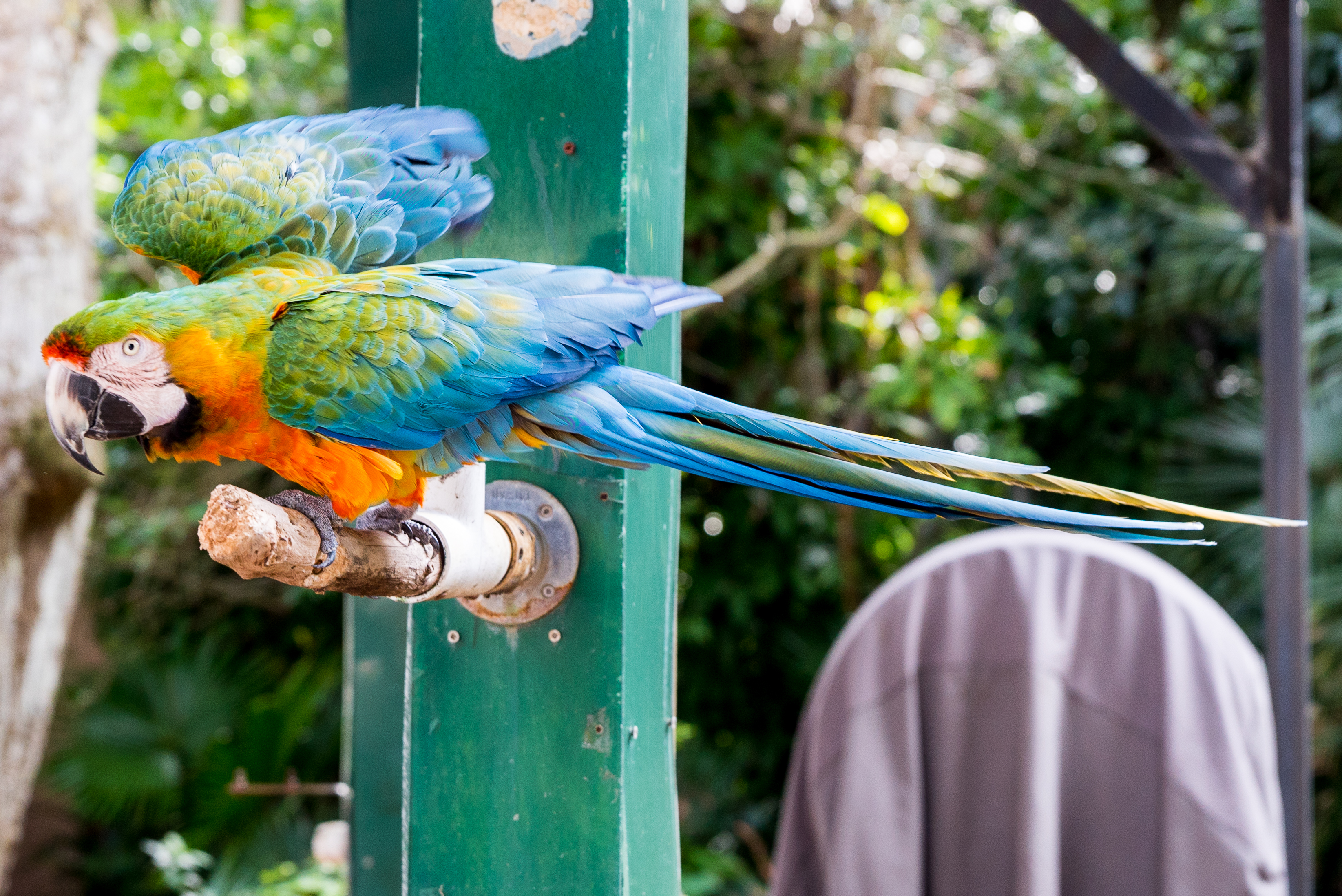
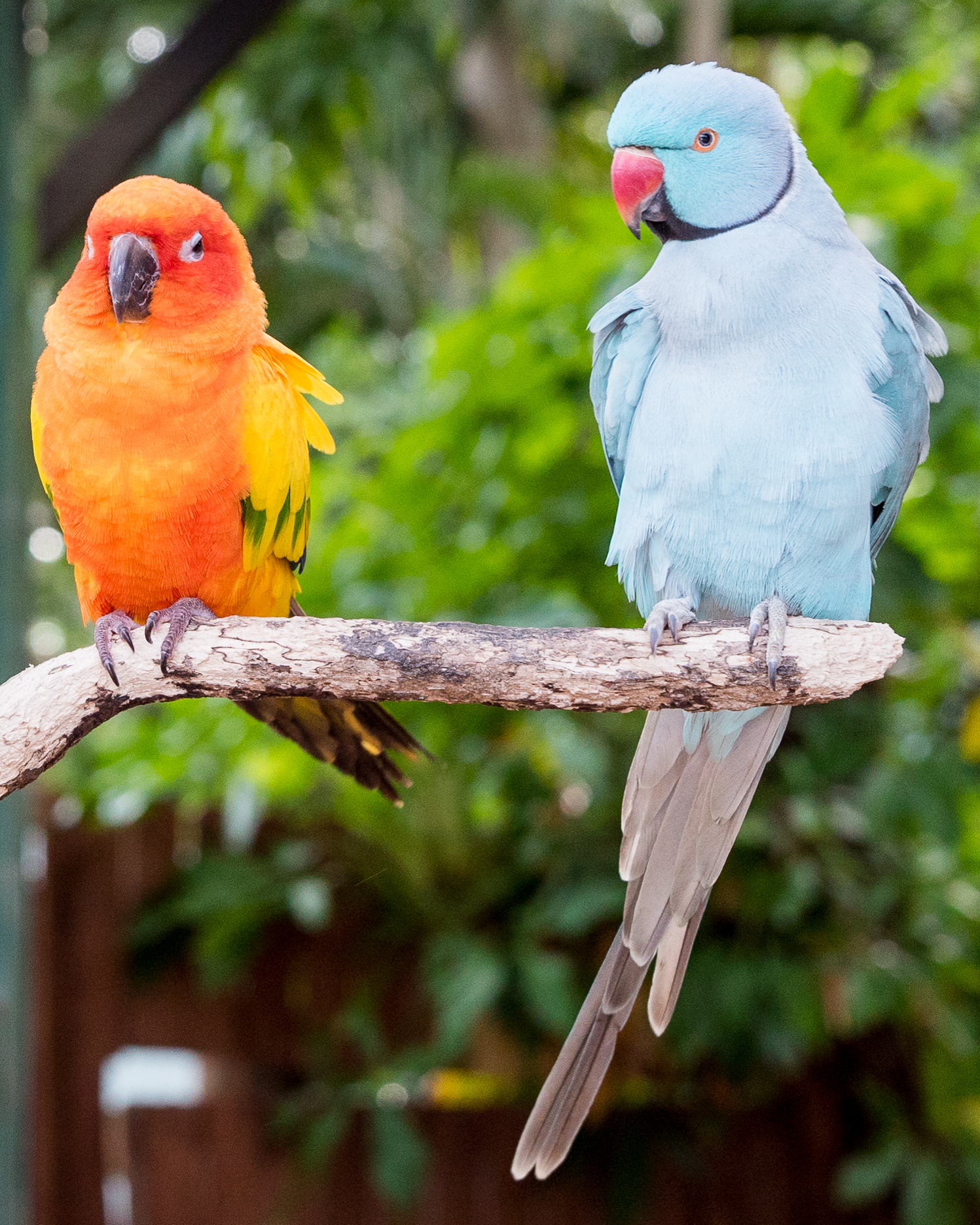
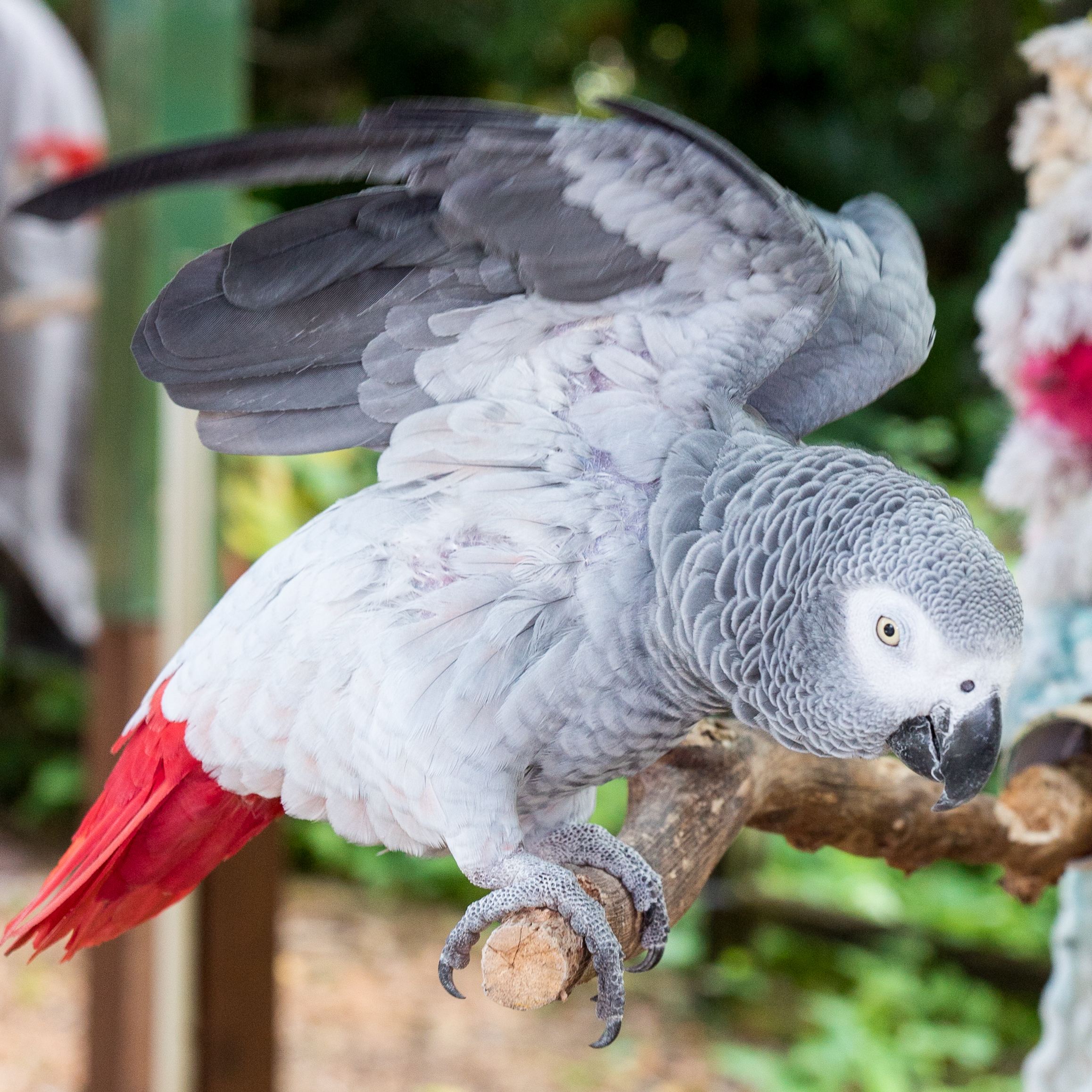
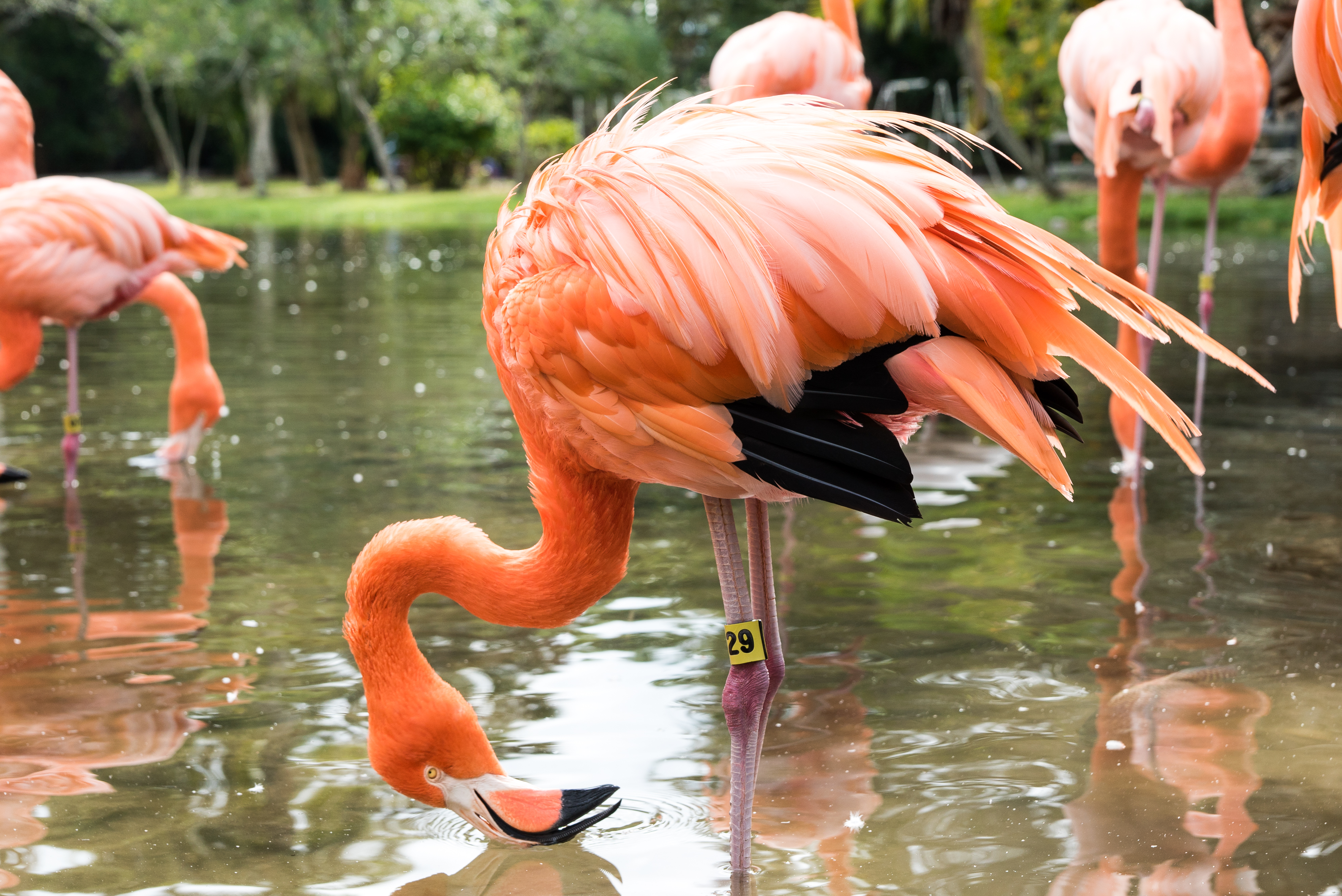
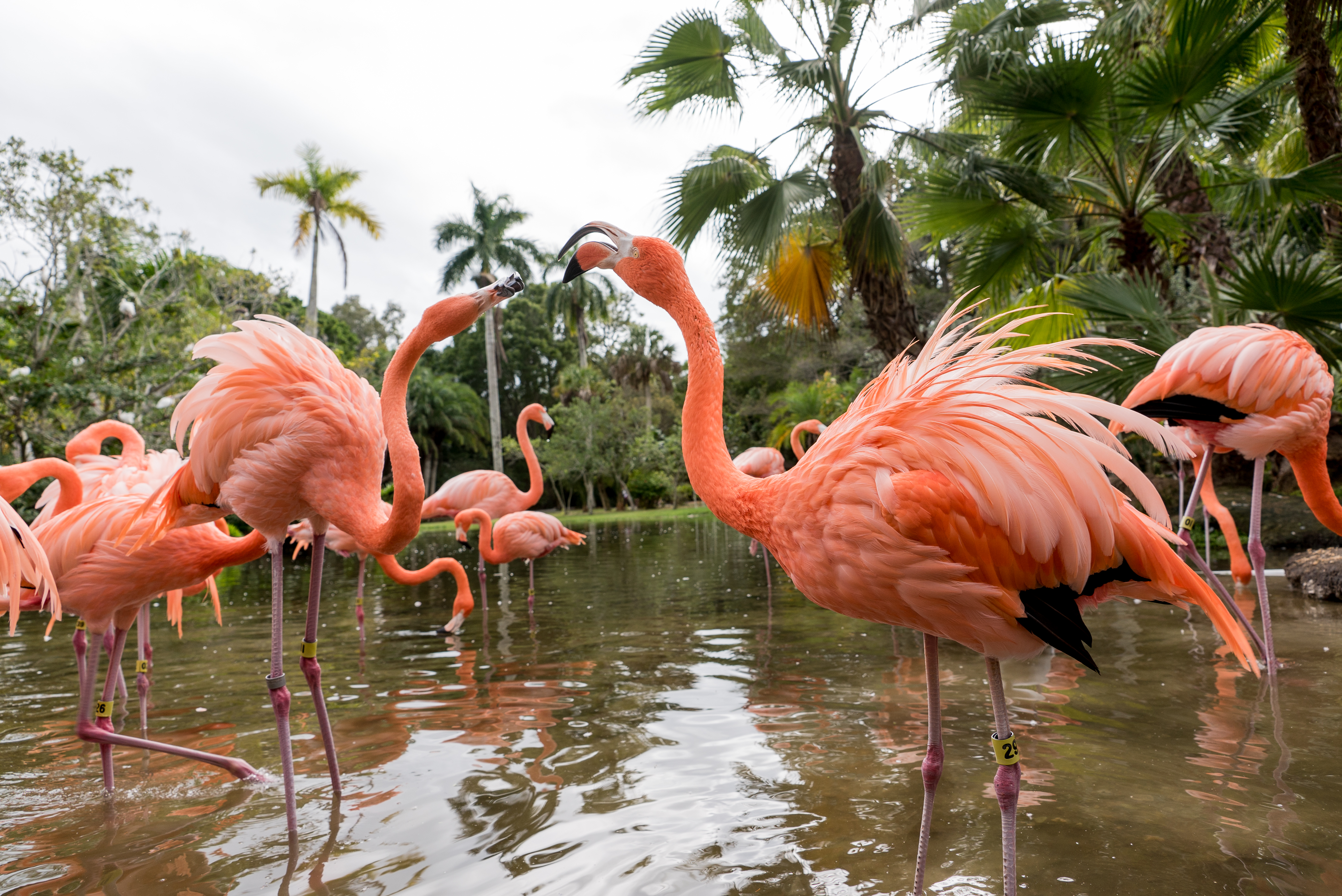
Another year, another trip to Florida. It’s been an extraordinarily warm winter this time, with lows in the mid 60s. I visited Sarasota Jungle Gardens once again, which houses many birds and reptiles, often those who are given up. It’s a great place, and the animals are fun to photograph. Weird-looking animals make for good sci-fi inspiration, don’t you think?

jungle-02772 jungle-02810 jungle-02874 jungle-02904 jungle-02996 jungle-03002 jungle-03006

Book Review: The New Jim Crow

The New Jim Crow: Mass Incarceration in the Age of Colorblindness by Michelle Alexander discusses the racist similarities between the Jim Crow Era and the War on Drugs. A non-fiction book about social justice is a bit afield of this blog’s usual science fiction fare. But as with Guns, Germs, and Steel, this book provides insight into how societies do, and sometimes don’t, work.

Science fiction is often concerned with the other. Science fiction can never truly be alien–as with all fiction, if it isn’t plausible, it doesn’t enchant. In a current project, I write about two alien species living together in a city, but apart, one above ground and one below ground. If I wanted to write about racial and class segregation, I figured I should read further about it in the real world. How would the two species feel about each other? What would they say about each other? I had them growing together after intense fighting– how could they plausibly do that?

That silly motivation convinced me to read the book, rather than say “that sounds interesting” and read something else. I’m glad I read it. It’s an important American topic that we remain quiet about, due to indifference or discomfort or lack of knowledge. I knew that our country imprisons an insane percentage of the population. I knew that many of these prisoners were black or brown, but I assumed this was because blacks and browns are statistically more likely to be poor and unemployed. I found that unfortunate, but not racist or alarming.

The New Jim Crow’s central thesis is that the War on Drugs, and the subsequent mass incarceration, has been enforced in a racist manner. Whites and blacks use drugs at similar rates, but blacks end up in prison far more often for it. Since the War on Drugs was declared in the early 80s, the prison population has increased from 400,000 to 2 million. During this period, decisions by the legislature and the Supreme Court have destroyed constitutional protections such as the 4th and the 14th amendment. This allows conscious and unconscious bias to target blacks. Police departments have enormous financial incentive to make arrests, and so they do, and minorities bear the brunt of it.

The book addressed my skepticism and convinced me. This is an issue that the left and right should be united on: it’s a violation of human decency and it’s expensive. To me, the main thing sustaining the War on Drugs and mass incarceration is the appeal of punishment; it’s easier to sell being tough on crime than helping criminals. We also don’t appreciate the scope of the problem.

I strongly recommend this book. I hear people debate racial issues so often. I participate too. But to be honest, this is my first long form read on the topic in today’s society. Because I read this, I better understand a complicated topic. I think if more people read this book, we would have a more intelligent conversation about this important issue that only grows more important. Oh, and it also might help you write about aliens.

Hiking in the Appalachians


One of the most popular hikes in Virginia is Old Rag. It’s a 9 mile loop that climbs up and down Old Rag Mountain, including rock scrambles and plenty of elevation. In autumn, it is especially beautiful, however the trails were covered with damp leaves and occasionally very slick. My legs were putty the next day, but as you can see, the views were worth it.old-rag-00947 old-rag-00960 old-rag-00973 old-rag-00985 old-rag-01079

Three beautiful books that inspire

I’m always looking for design inspirations. Whenever I find myself in an art museum or an interesting shop, I always look to see what kinds of design books they have. Today I included three very different commercially available favorites in my little collection.

Waterlife by Rambharos Jha

A stunningly beautiful book by Indian folk painter Rambharos Jha. The critters come alive with the wiggling and colorful lines. Each page is silk-screened by hand onto hand-made paper. You can see the difference from ordinary printing methods immediately. Striking. This is also one of the best smelling books. Every time I open the book, the smell of ink and paper hits me, I’m looking at this book. My only criticism is that the binding method prevents the book from opening as flat as I would like. I love to look at this book when I’m trying to feel energy in my work.


beauty-books-02737beauty-books-02739

Carl Larsson’s A Farm: Paintings from a Bygone Era

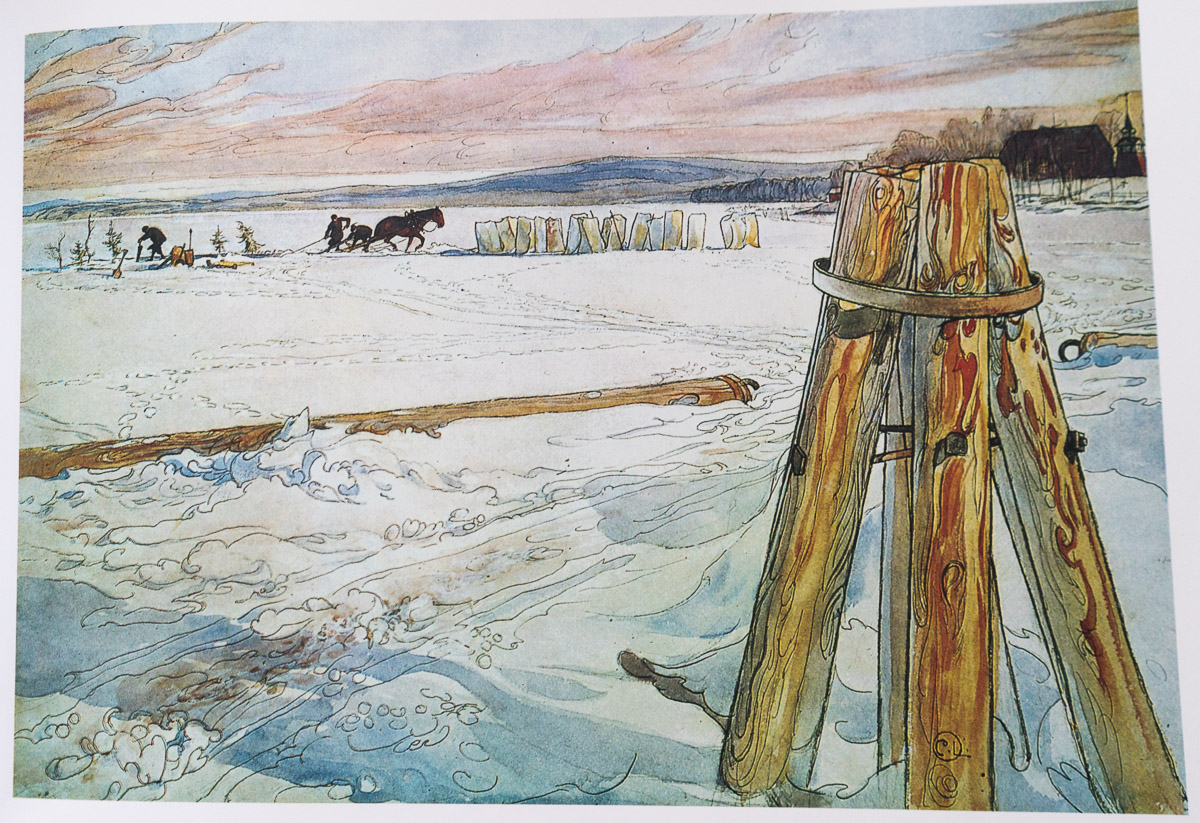
A collection of 19th century Swedish painter Carl Larsson‘s farm paintings. His calendars are a staple with the Scandinavian branch of my family. His work makes me think a bit of Norman Rockwell– beautiful and flowing, but with crisp lines that give a feel of illustration. I love to look at his work for inspirations in depictions of the ordinary, the pastoral, the family.

beauty-books-02733beauty-books-02743

Radioactive: Marie & Pierre Curie, A Tale of Love and Fallout by Lauren Redniss

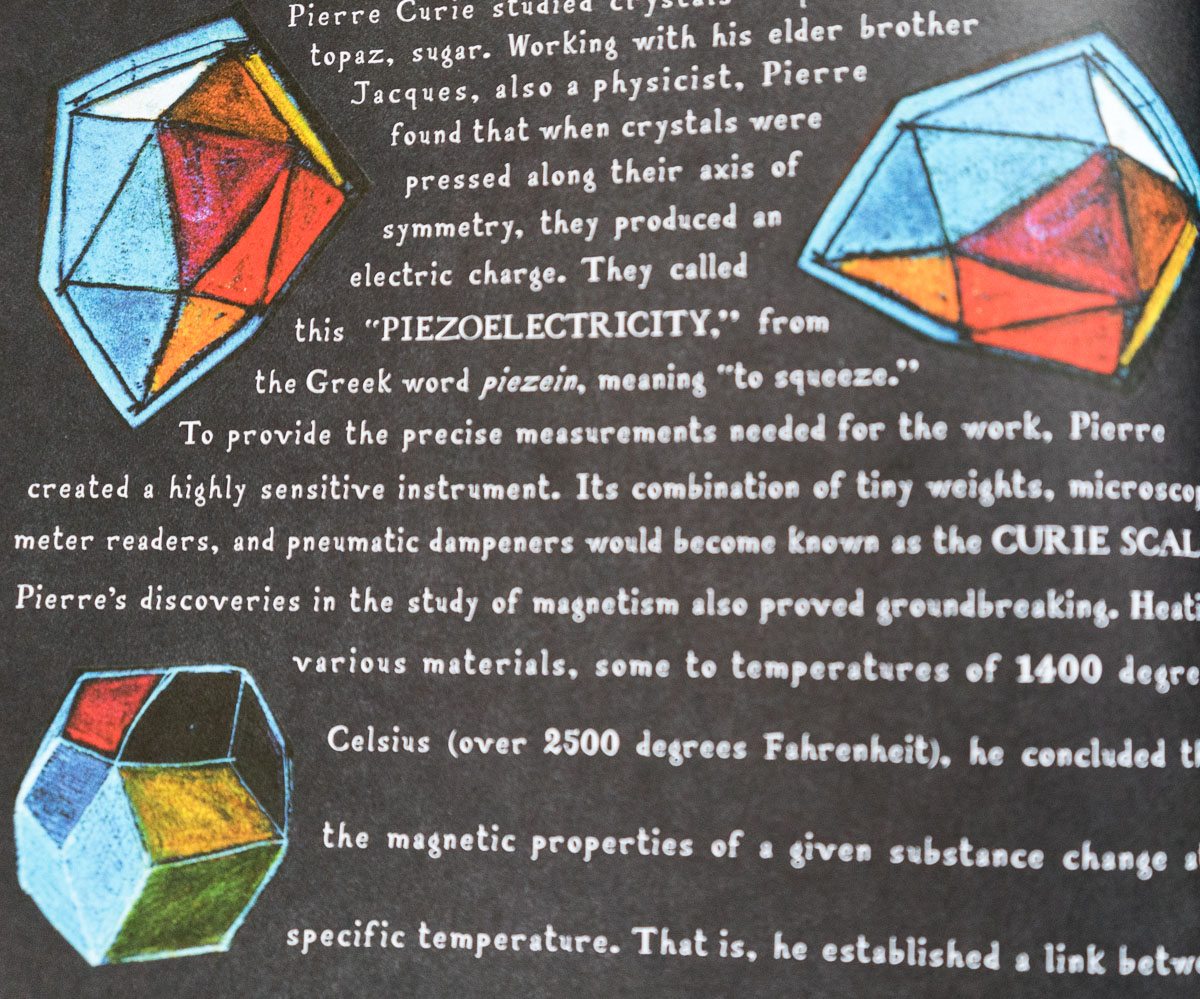
I previously reviewed this book here. I’m not in love with the writing in this book (see the review), but I am in love with the art. I love the way it connects to the science and is elevated by it. The typography for this book is also divine. Redniss even created a special typeface called Eusapia LR for this book, and it works beautifully. This book is an inspiration in marrying art and science.

beauty-books-02736beauty-books-02741

Mechanical computers blow my mind

Before the digital era, there were still computers. These mechanical computers performed their tasks using clever set-ups instead of operations on ones and zeros.

The video embedded below is an analog Fourier transform calculator. All of us use Fourier transforms every day; they are used to compress data, as in jpegs and mp3s. Fourier transforms can represent an oscillatory signal by its frequency components, and they can re-create the signal again from those frequency components.

To me, this computer is what steam punks dreams to be. Its gears, levers, springs, and cranks work in mesmerizing motion, but even better, they do something, something that by hand takes a long time to do. Asimov books talk about gears and cranks and such in spaceships, and it’s these kinds of machines that I imagine fill his worlds.

Check out the video, as well as the videos that explain how signals are both synthesized and analyzed with this machine. These videos fill me with awe on this otherwise bogged-down Monday morning.

Book Review: Player of Games (Iain M. Banks 1988)

In this review, I avoid spoilers, but since nothing really happens in this book for about 100 pages, that means some of the things I mention do happen a good percentage into the book.

Rating: 2.5/5 stars

Iain M. Banks Culture series is renowned for its great far future space operas and artificial intelligences. I like space operas and I like artificial intelligences, so I picked Player of Games as one of Iain Banks well-rated books on amazon.

I almost didn’t make it through this book. The main character, Gurgeh, is a professional game player who lives in a wonderful castle on a wonderful world with other people who like games and parties. They live in the Culture, the future civilization of humans (and presumably others) that is mostly controlled by artificial intelligences.

We don’t start the book with the Culture, we start it with Gurgeh. Gurgeh (whose name kept reminding me of Gurgi from The Black Cauldron) is famous across the Culture for the fact he can play basically any game and almost always win. The entire first 75 pages are consumed by Gurgeh’s ennui and partying. I hated these 75 pages.

Then the book picks up. We get to see more of the Culture, and eventually a different civilization called the Azad. The Azad are a barbaric people whose society rotates around a game called Azad. The Culture sends Gurgeh to go play Azad against the Azad.

This isn’t a book for character development or sparkling prose, it’s a book with neat ideas. Azad is neat, the Culture is neat, and the interactions between the two lifestyles was neat. The drones are interesting. I liked the Azad planet Echronedal, which is always on fire.

I really enjoyed the last 200 pages of the book; it was full of fun and interesting things. I want to read more Culture books in the future. But I don’t want to read this one again and I would recommend it only with the caveats above. I didn’t find the posturing and sparring in games that I didn’t know and didn’t mean anything to the protagonist either. But obviously a lot of people loved this book and probably enjoyed the early game play.

The people who recommended Banks to me compared him to Vernor Vinge, whom I love. I can see why people would compare the two, but Player of Games didn’t stack against my favorite Vinge books. We’ll see what I think about future Culture books.

Writing prompt: Jump forward in Nano and write (again)

Time: 10 minutes. Click here to go to my list of prompts. Find me on NaNoWriMo as Vironevaeh!

“For Nanowrimo: Jump to a new section and write” (Yes, again… I am just catching up after falling behind over the weekend. I’ll think of something more original next week.)


There was a knock at the door. It was Uncle Oraeus and a woman in a lab coat she didn’t know. “Jainus, just who I was looking for,” Oraeus said.

Jainus had a sinking feeling. Since she’d moved to the big kids house, she wondered when this conversation would come. She was growing up, and the other kids had already gotten to it.

“You’re old enough to have a Vitsen now,” Oraeus said. “You know what’s involved?”

Jainus nodded, but that didn’t stop Oraeus from explaining. “We’ll move your brains to your feet, and then convert your skull to an apartment for a Vitsen companion to live in. It won’t hurt. The surgical part is the easy part, really. Learning to get along with a Vitsen is the hard part. And you shouldn’t run for a while until you learn to soften your gate. Concussions are serious business,” Oraeus said nodding with his eyes closed.

Jainus was fighting enough to Jonnelt’s Vitsen Agartha, which seemed determine to make her feel inferior. It would buzz right by her ear when she was reading or say something unsettling. Jainus had always been told that Vitsens were advanced creatures, unknowably advanced. Creatures that had helped her people many, many times, extended her lifespan, and opened the galaxy for trade. Knowing Agartha, it was hard to imagine. Agartha seemed petty and spiteful.

“Do I have to?” Jainus asked.

Oraeus frowned. “You know you don’t, but you wouldn’t want to disappoint your family.”

Jainus sighed.

“You won’t always have a Vitsen.” Oraeus opened the door behind his own ear, showing the vacancy. “Just at this age, and occasionally when you’re older. As one of the favored families, it’s important that you start to understand Vitsens. You’ll find them really annoying at first, but you’ll get used to it, I promise. I even miss mine. We annoy them even more, I’m afraid. They don’t like being away from their mountain, you’ll learn. But they recognize they importance of the exchange, and so do we.”

Jainus couldn’t think of any way to say no. She nodded, then excused herself to go take a walk along the beach. The Vitsens’ home, Mount Vit, loomed to the north.