Author Archives: Vironevaeh

National Monuments in New Mexico

Of the 117 designated national monuments in the United States, 14 of them are in New Mexico, second only to Arizona.  When I moved here in June, I dreamt of Arches National Park and the Grand Canyon and the mountains of Colorado. But I am learning what wonders my own state contains. All are 5 hours or less from Albuquerque, and 8 of them are among the 20 least visited national monuments in the country.

The national monuments here vary wildly. There’s anthropology at the Gila Cliff Dwellings in the mountainous southwest (discovered by a man shirking jury duty). There’s a 17th century Spanish Mission at Salinas Pueblo Missions in the eastern grasslands. There are miles of white gypsum dunes at White Sands, which also doubles as a bombing range.  There’s Petroglyph National Monument on the west of Albuquerque, with canyons full of ancient drawings.

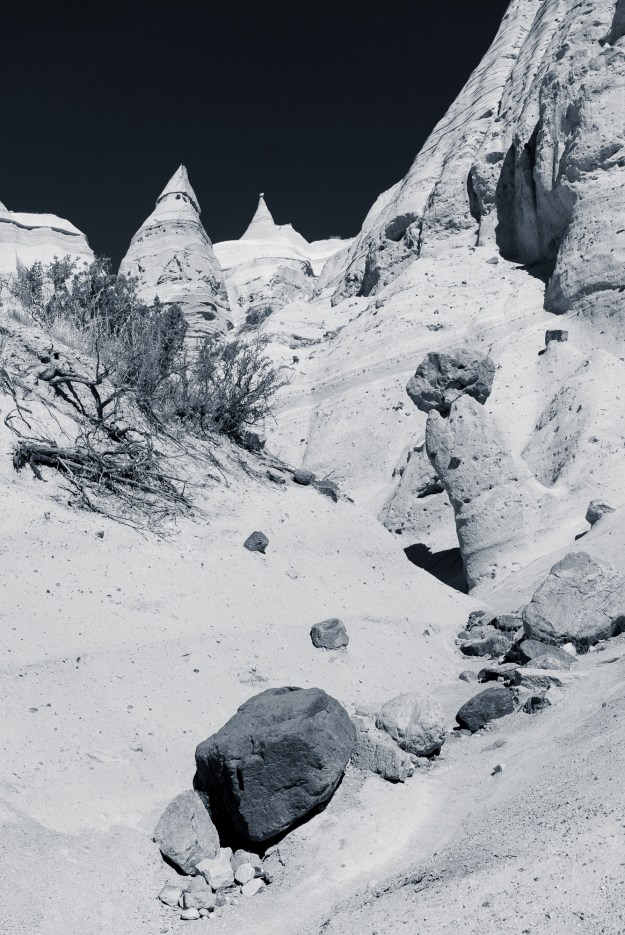
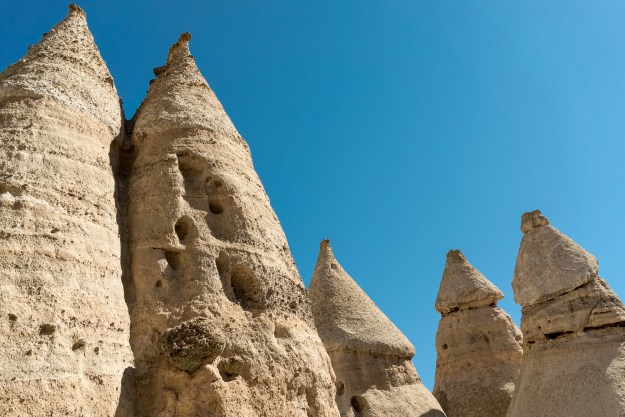
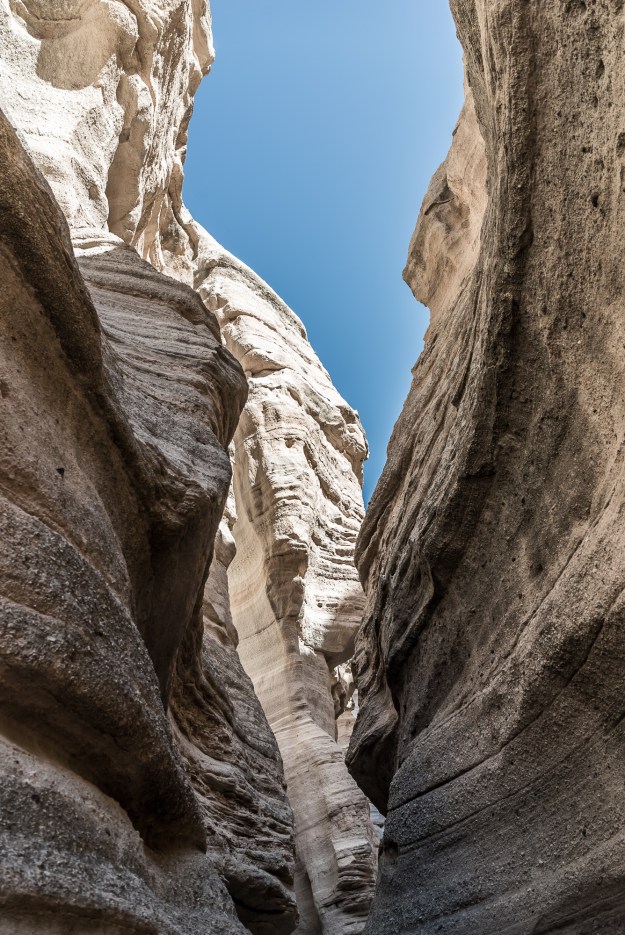
The western landscape expands your vocabulary. You can see a slot canyon and hoodoos, or oddly-shaped rock columns 75 feet in height, at Kasha-Katuwe Tent Rocks. In addition to the lava fields and caves of El Malpais, you can check out the tinajas, dents that hold water after rain and bloom sporadically with life, in the sandstone bluffs. Anywhere you find sandstone you might find tafoni, or small and intricate erosion patterns.

So I’m slowing traveling to the national monuments of New Mexico, camera in hand. I’ve visited Petroglyphs, Kasha-Katuwe Tent Rocks, and El Malpais.

Kasha-Katuwe Tent Rocks

Tent Rocks is named for its rocks that resemble tents, which tower 75 feet. The excellent “slot canyon trail” takes you through a slot canyon, by the hoodoos, and to a viewpoint overlooking the hoodoos; the viewpoint also provides panoramas of New Mexico scrub and the Valles Caldera. The other trail, the Cave Loop Trail, is an easy enough walk but not very interesting. Tent Rocks is a fairly small and recently established national monument. It’s easy to reach from Albuquerque and Santa Fe, with good quality roads.

If you visit Tent Rocks in the summer, get there early. We went in July and arrived at 9 AM and it was hot at the end. Other than the summer heat and rain, Tent Rocks is a great year-round destination. It is fairly popular and gets bus tours on summer weekends.
Kasha-Katuwe Tent Rocks National Monument in New Mexico, near Albuquerque and Santa Fe.

Sandstone hoodoos in Kasha-Katuwe Tent Rocks National Monument.
Kasha-Katuwe Tent Rocks National Monument in New Mexico, near Albuquerque and Santa Fe.

Slot canyon.

Kasha-Katuwe Tent Rocks National Monument in New Mexico, near Albuquerque and Santa Fe.

Kasha-Katuwe Tent Rocks National Monument in New Mexico, near Albuquerque and Santa Fe.

El Malpais National Monument

El Malpais translates to “the bad country.” The park has two branches which follow lava fields, which you can see easily on the satellite image of the park. Highway 117 traces the eastern edge and features sandstone bluffs, the second-largest natural arch in New Mexico, and lava fields. Highway 53 traces the west and features volcanic caves and ice caves, although many of the best features are reached only by dirt road. This weekend, I visited the sights along highway 117.

The Sandstone Bluffs Overlook area is great. The light and bright sandstone really stands out against the black fields of lava below. To the north, you can see Mt. Taylor, an inactive volcano. Dents in the sandstone, tinajas, are common on the bluff tops. Though it hadn’t rained much before we went, some still contained water and one had ice at midday.

La Ventana arch, just off the road, is the next stop south. This time of year, the north-facing arch seemed to be in shadow all day. I plan to visit again in April or May, when the light might be better but before the crushing summer heat.

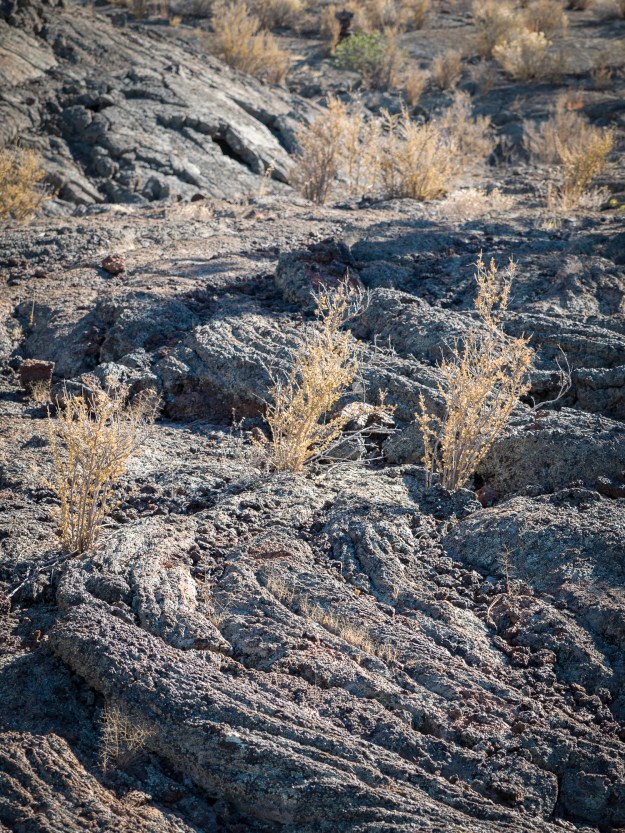
The last stop south is the Lava Falls Area, which features a 1 mile hike through Pahoehoe lava. This is smoother and easier underfoot than most of the lava in the park. The Lava Falls Area is only 3000 years old, extremely young in geological terms, and some of the youngest lava in the lower 48.

In mid November, crowds were no issue. We went on a nice November day and were quite comfortable, even with the altitude. In the Lava Falls Area, it was bordering on warm, with all that black stone everywhere. I suspect much of El Malpais would be unbearably hot in the summer. The dirt roads in the western part of the park are impassable with snow, so the best seasons for El Malpais are fall and late spring.
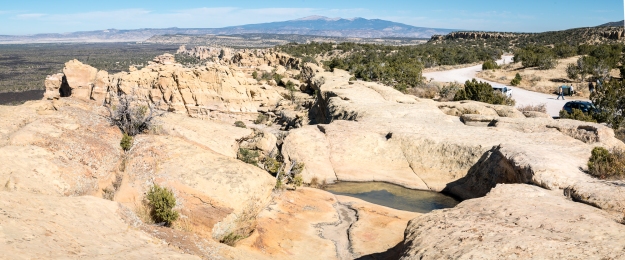
"A tinaja is a bedrock depression that fills with water during the summer monsoonal rains and when snowfall accumulates in the winter. These microhabitats spring to life when the baked-dry stone basins fill with seasonal water." -From the National Park Service El Malpais website. Sandstone Bluffs Overlook in El Malpais National Monument in western New Mexico.

A tinaja in the sandstone bluffs, looking north to Mount Taylor. Below to the left are the lava fields.
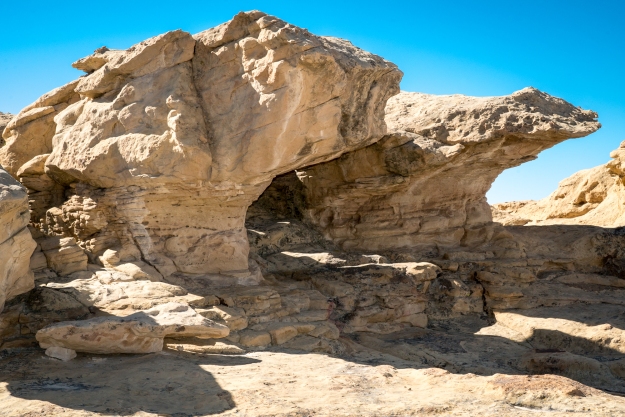
Sandstone formations at Sandstone Bluffs Overlook in El Malpais

Lava Falls Area at El Malpais National Monument in western New Mexico.

Lava Falls Area at El Malpais National Monument in western New Mexico. The lava here has several textures, but my favorite is this ropy, viscous one.

Petroglyph National Monument

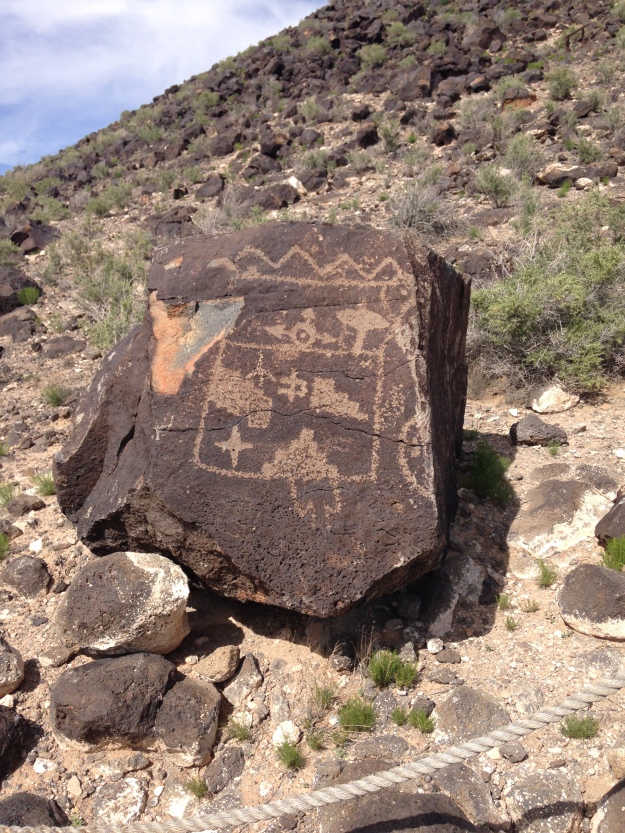
Petroglyph National Monument is on the west side of Albuquerque. I realize only now that I didn’t bring my DSLR camera on this trip, but the picture below shows even a cell phone can capture the petroglyphs well. There are three sites in Petroglyph, all easy to reach. The most popular site, Boca Negra, requires some uphill hiking. The two canyons supposedly require less. Like El Malpais, the rock is black and volcanic (though older), and it gets hot in the summer.

In Petroglyphs, you can visit the Three Sisters volcanoes on the western mesa. These three cinder cones are remarkably small, but due to their position atop the mesa are visible from the whole city. Hiking the Three Sisters is still on my to-do list, but I suspect the views back toward the city and the Sandia Mountains are pretty great.
IMG_0837

Petroglyph at Boca Negra site

The FODMAP Diet: An IBS diet based upon peer-reviewed science

I’m extremely lactose intolerant. What this means, biologically, is that I no longer produce enough lactase to process lactose sugar. Because I can’t process lactose in my small intestine, it moves on intact to my large intestine where bacteria eat the sugar. The byproduct of their digestion, gas, causes bloating, pain, cramping and, well, you know the rest.

What is IBS and what causes it?

Irritable Bowel Syndrome (IBS) is an incredibly common malady, affecting 6-46% of the population, depending upon the study. It’s a diagnosis resulting from the lack of a diagnosis; it’s diarrhea, bloating, stomach pain, and cramping that can’t be explained by celiac disease, lactose intolerance, fructose intolerance, or other understood gut disorders.

IBS is thought to be caused by visceral hypersensitivity, or over-sensitivity to pressure on the intestines. Imagine two people eat broccoli and get a bit gassy: the person with IBS would feel pain and discomfort while the other person might be bloated but otherwise fine.

It’s often implied that IBS is psychological as much as physiological. Anxiety and depression are common in people with IBS. In my experience, the perceived psychological component, the lack of simple treatments, and the lack of life-threatening consequences can lead doctors to be blasé about IBS. They recommend fiber, exercise, and routine, and shrug if that does little. Small wonder that people might feel blue. But gut science is improving, and the FODMAP approach is a new and widely successful strategy for reducing the symptoms of IBS.

What is the FODMAP approach, and what is different about it?

The FODMAP diet is based upon known biochemistry and the hypothesis that visceral hypersensitivity causes IBS. There are many molecules that, like my undigested lactose, tend to be digested in the large intestine and produce gas. The FODMAP diet eliminates a wide range of such molecules.

FODMAP, introduced in 2005 by Monash University, is a peer-reviewed diet based upon a concrete biological hypothesis supported and improved by scientific trials. It is not a weight-loss diet. FODMAP stands for Fermentable Oligo- Di- and Mono- Saccharides And Polyols. Catchy, right? But the concept is simple—FODMAPs are short-chain sugars that we know most people digest poorly (meaning bacteria digest them), and you avoid FODMAPs on the FODMAP diet. (For the biochemists, that means avoiding fructans (oligosaccharide), lactose (disaccharide), fructose (monosaccharide), and all sugar alcohols such sorbitol (polyols).)

Many other diets have questionable scientific bases and are profit driven. The Atkins Diet was published by a cardiologist who never published any peer-reviewed work, but several books. The Paleo Diet was published by an “exercise scientist untrained in paleobiology”. This is not to say that these diets cannot be beneficial in any way. But they have not been tested and refined in the way the FODMAP diet has been, and their fundamental science is hazier. Putting the cart before the horse, they have been developed first for profit, and then researched afterwards, often with mixed results. To be fair, the scientific process is slow and contentious and doesn’t always lend itself well to studies as broad and complex as diet. But FODMAP was developed, tested, and improved using the scientific process. If you’re skeptical of diets, as I am, you can read up and convince yourself that this diet has a reasonable basis and good results.

What’s a FODMAP diet like?

If you are considering a FODMAP diet, you will have to do some research, and be able to prepare food often from scratch. The internet is a phenomenal tool, and there are even some dieticians you can consult online. FODMAP sensitivity is not the same thing as an allergy. You don’t have to absolutely eliminate FODMAP foods, you simply must aim to minimize them for a period of time.

To follow the FODMAP diet, you avoid FODMAP-laden foods for two weeks to two months (different sources vary in their recommendations, and provide rationales). After this time, you re-introduce foods in a controlled manner to identify trigger foods. Most IBS-sufferers are not sensitive to all FODMAPs. Many people report benefits within a few days of starting the diet, and 70% of IBS patients in peer-reviewed studies reported improvements following the diet. I personally had much less bloating within a few days. Following a FODMAP diet revealed that some of my symptoms are due to gastritis, which I’m now treating. I see now that I’ve had gastritis symptoms for a while, but I was unable to separate various gastrointestinal symptoms before this diet. I remain on the full FODMAP diet after three months, but I have eliminated one side issue.

What foods are and aren’t allowed?

Following the most basic level of the FODMAP diet, one avoids all garlic, onion, and gluten-containing foods. It is not a gluten-free diet, but grains containing gluten overlap almost perfectly with grains containing the FODMAP fructan. Beer happily is the major exception; it is FODMAP-free due to the fermentation process.

I consider the FODMAP approach an alternative way of categorizing foods. There is a common perception that vegetables and fruit are healthful, and grains and meat are less healthful. At least from the perspective of IBS, that is not a useful framework. On the FODMAP diet, meats are okay. Roughly half of grains, dairy, vegetables and fruit contain FODMAPs, and these are avoided on the diet. Specifically, greens and squash are okay, but broccoli, leeks, and  brussels sprouts aren’t. Citrus and melon are okay, but peaches, cherries, and figs aren’t. Lactose-free milk and hard cheeses are okay, and ice cream, fresh cheeses, and sour cream aren’t.

For those considering the diet, this is my favorite exhaustive list of allowed and disallowed foods.

TL;DR

In short, the FODMAP diet requires research and it’s a pain to follow, but it offers real promise to the numerous people suffering from IBS. If you’re considering the diet yourself, good luck. I hope this provided a better explanation of the topic than the sources I encountered when trying to understand this diet. To others, maybe this will help explain why your friend has such a fiddly diet, and why you should support them.

Getting Lost in the Devil’s Garden

The sun was falling on the primitive trail of Devil’s Garden in Arches National Park in Utah. The sandy trail was damp from heavy rain the day before, but the sky was bright and blue above. The last traces of golden hour set the massive red rocks around us aflame. We could turn back and repeat the scrambling and climbing that brought us to our current place or we could go forward on the loop, which looked sandy and tame. We had read that the primitive trail was a 3.5 mile loop– we thought from the trailhead. Rather, it was from the main trail. So when we chose to keep going on the easy-looking sand, it was for several more miles than we bargained for.

The sun dimmed, and the sand yielded to climbing and rock scrambles. Arches rock is sandstone called slickrock. At Arches National Park, people crawl and climb over every arch and rock fin. It can be a challenge to photograph an arch without including some neon-clad idiot. So normally slickrock isn’t slick. But the rain-damped sand stuck to our shoes and acted as a lubricant, like sand on a shuffleboard table. We chose the sandy path because the rocky path to this point had been a challenge. And with even less chance of turning back, we were facing it again.

At one point, we slid down a 10 foot slope into some branches at the bottom. If you missed the branches, your slide would be longer and steeper. There were other shorter slides. It was like nature’s playground.

Then we came to a point where you must cross a ledge above a drop off. By ledge, I mean a slight bowing in the side of a rock fin. Twilight was setting in. My husband scooted across and warned me that the ledge was slick. I sat down and scooted, my camera bag bulging over the drop, skewing my center of balance. I inched along. My foot slipped. I darted forward, not at all steady. I was across the ledge. I looked back. If I had slipped, I would have slid rather than fallen, but down a 20 foot, 60 degree incline with prickly trees at the bottom. I imagined myself trapped in back country with a twisted ankle and no food and water for a night. It seemed less like a playground then.

Night fell. Thankfully, it was a clear night with a bright moon; our only other lights were the flashlights on our iPhones. There were more scrambles, though none as bad as the ledge. The trail was marked with small piles of rocks.

At one point, we missed a pile marking. We turned down a canyon. It was easy and first, and covered with footprints, a good sign. But it grew narrower and rockier, and the footsteps disappeared. I slipped and banged my camera bag. Yesterday, I discovered that I dislodged the front glass piece on my favorite lens with that jolt. Humph.

The canyon ahead was even narrower, and we wondered when we last saw a rock pile. We back-tracked. At the entrance to the canyon, we saw the rock pile. We had been lost, but we were back. Unfortunately, the marker lay beyond a massive puddle. At least in back country Arches, we were pretty confident that there wasn’t much living in that red muddy murk. The puddle was surrounded by steep rock–we hoped it wasn’t too deep, opaque as it was. Tree branches poked up from the water. We hoped they were sitting on the bottom rather than floating, but it was hard to tell. We tried to scoot around the periphery. My husband slipped. The water was up to his knees. We waded through, grateful it was that shallow.

Finally, the trail settled down, and we walked through a grassy prairie. The stars came out; the milky way stretched over red rocks and prairie. Here and there, a shooting star flashed. We walked stiffly back to the main trail. Then we drove to Moab and got sushi, a bit more sandy than usual, our shoes still squishing with water. It was a victory meal.

It was a good adventure. We didn’t slip or fall and the pictures turned out beautifully. Next time I’ll be more careful reading the distance markings, though, and respect slickrock after rain. The rest of my shots from that day are on Flickr. Other than my pitfalls, mostly caused by my lack of caution, I’d highly recommend this hike. I felt very wild and saw such beautiful things.

The view after all that twilight struggle, a hand-held star shot. A pretty delightful reward.

The view after all that twilight struggle, a hand-held star shot. A pretty delightful reward.

Fins of red rock. Later we got a little lost amongst all those massive parallel slabs.

Fins of red rock. Later we got a little lost amongst all those massive parallel slabs.

Amongst the red fins.

Amongst the red fins.

Partition Arch in Devil's Garden.

Partition Arch in Devil’s Garden.

The red rock fins and the La Sal Mountains. Though I didn't love the night hike, I'm so glad for the gorgeous golden hour shots I got.

The red rock fins and the La Sal Mountains. Though I didn’t love the night hike, I’m so glad for the gorgeous golden hour shots I got.

Double O Arch, just before we went off onto the primitive trail. I'm so glad I got to see it in such a beautiful state.

Double O Arch, just before we went off onto the primitive trail. I’m so glad I got to see it in such a beautiful state.

Golden hour play!

Golden hour play!

Balloonatics

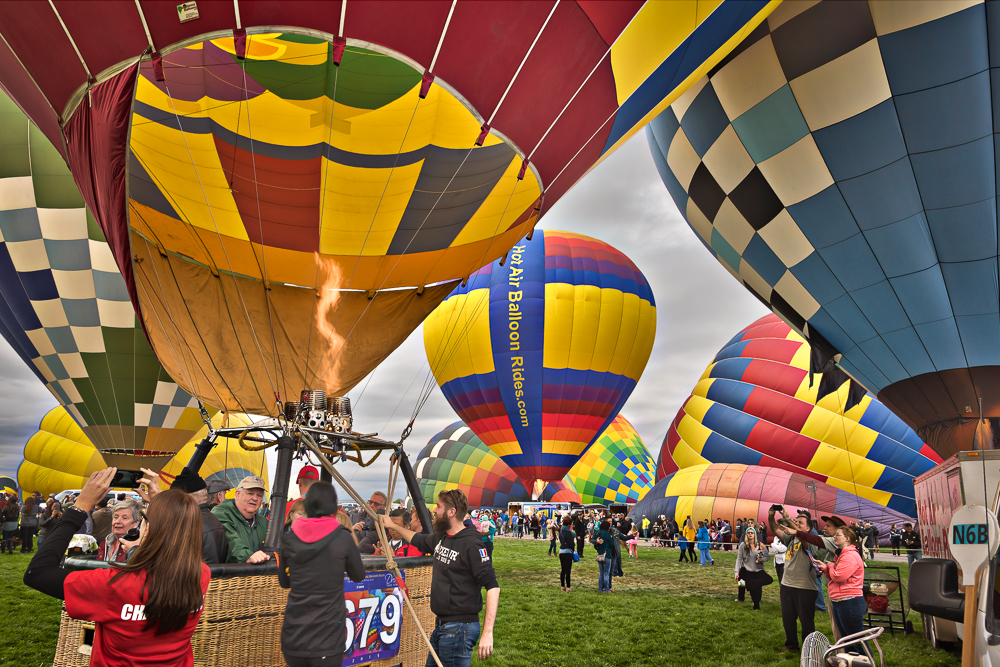
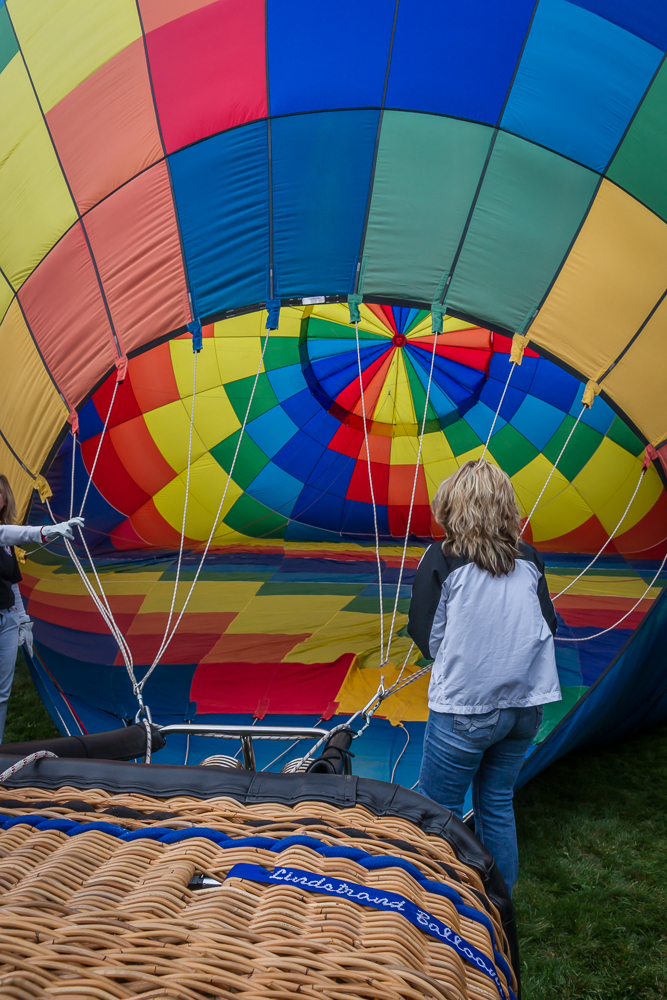
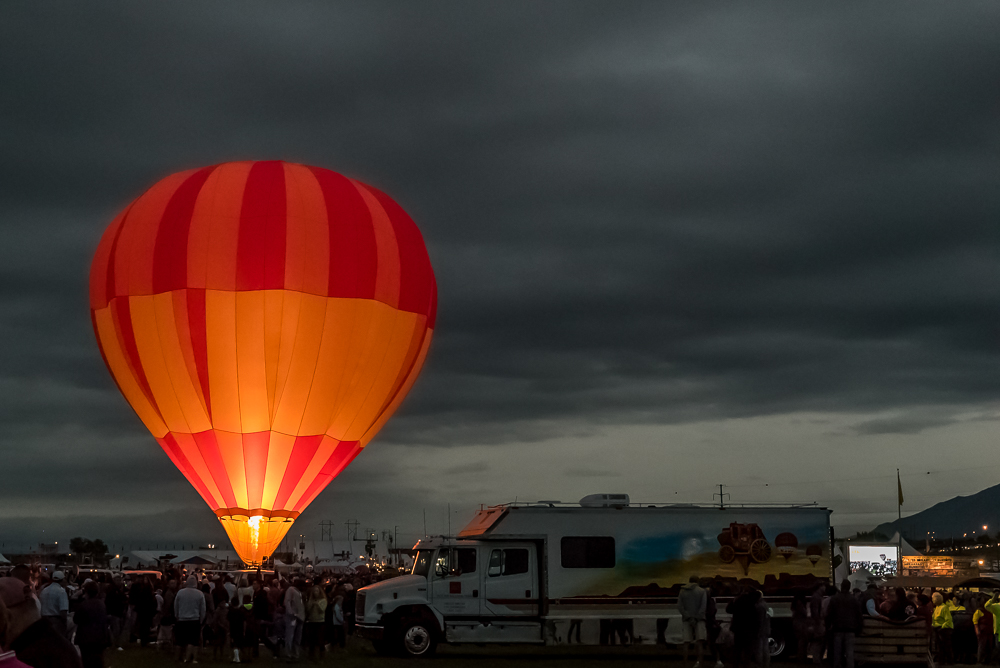
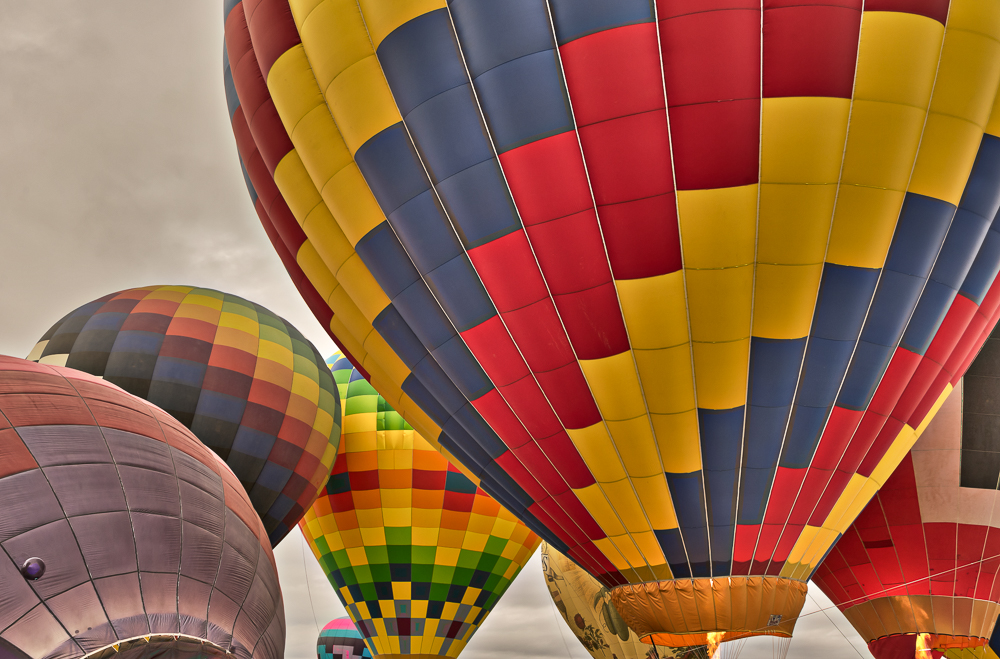
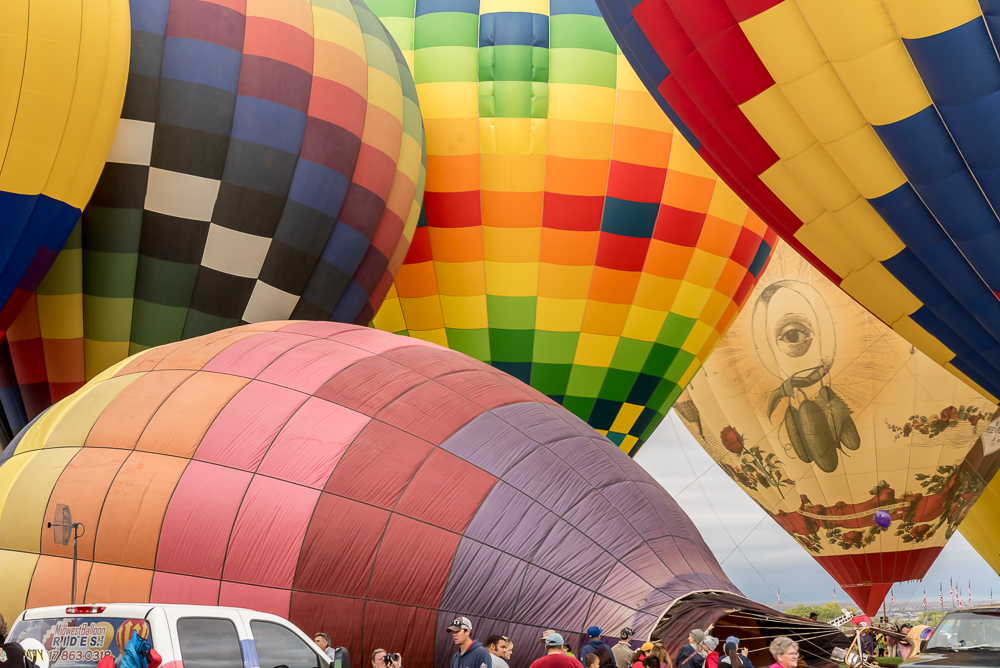
Guess what I’ve been doing all week? Crippling my computer with photo editing! Yesterday the 44th annual Albuquerque International Balloon Fiesta closed. And what a spectacle it was. No small wonder it’s sponsored by Canon. I would say more or describe more, but I am running on empty. So let these amazing images do the talking for me.

151002-balloon-09855151002-balloon-2562151004-balloon-00667 151004-balloon-2712 151004-balloon-2782 151004-balloon-03251 151004-balloon-03348 151004-balloon-03439 151004-balloon-03716 151004-balloon-03773

Writing prompt: bald and free day

Time: 7 minutes. Click here to go to my list of prompts.

“bald and free day” (Inspired by this list of silly holidays.)

I opened my eyes. I reached up to feel my head. It was smooth and hairless, slick and fast. Then I realized my fingers were different too. I lowered them and inspected them. They looked slightly blurry, but they were wider, flatter. Webbed.

“You’re completely hairless, now,” the technician said. “This new body has a number of modifications for your new lifestyle. You have more subcutaneous fat, to deal with the water temperature. You have a dorsal fin. You might notice your vision is a little blurry. That’s from the extra eyelid. It’ll help you see underwater.”

Across from me sat a motionless creature covered in hair. It’s tail hung limp. The last vestige of my last adventure. I had run with the wolves. Well, human-wolves. I wasn’t actually interested in hanging out with real wolves. Too much violence, not enough conversation. But since Ed had dumped me, I got tired of wolves quick. Finally I wanted to explore my first love, whales.

I’d always been fascinated by the sea. But the ocean is still not fully tamed. It’s intimidating. You have to sign a lot of wavers to do the whale experience. A lot of whale people never come back home. They don’t know if it’s by preference or if they die. They made me get a GPS chip, for tracking. It sounded undignified to me, but that was the only way.

“Where will I sleep?” I asked. My voice sounded odd. I wondered if that was due to modifications to my voice or to my ears.

“Your new body is modified to mimic sea mammalian species. Part of your brain will always be awake. This brain sleeps in shifts.”

“That sounds unhuman.”

The tech shrugged. “Isn’t that the goal?”

Another tech rolled my wolf body away. I knew from past adventures it would be mulched. My tech rolled my chair out of the room. I realized my legs were fused into one. Now it was real. I was going to be free.

A million views and a thousand balloons

Early this morning, my Flickr page crossed over the one million views threshold. Which is pretty exciting! I started my Flickr page almost exactly eight years ago, just after I got my first DSLR. Since then, I’ve taken a lot of pictures and learned a ton, and had a blast doing it.

million views

And early yesterday morning, I biked to the Albuquerque International Balloon Fiesta, one of the biggest hot air balloon gatherings in the world. It. Was. Amazing. The bike ride, the balloons, the launches, EVERYTHING. It was one of the most fun things I’ve done, and easily one of most exciting things to photograph. I took about 1500 photos (though a lot of them were duplicates to hedge my exposure bets). It’s been a wonderful weekend!

151004-balloons-00001 151004-balloons-00652 151004-balloons-2586 151004-balloons-2601

Tutorial: Playing with Fireworks (in Photoshop)

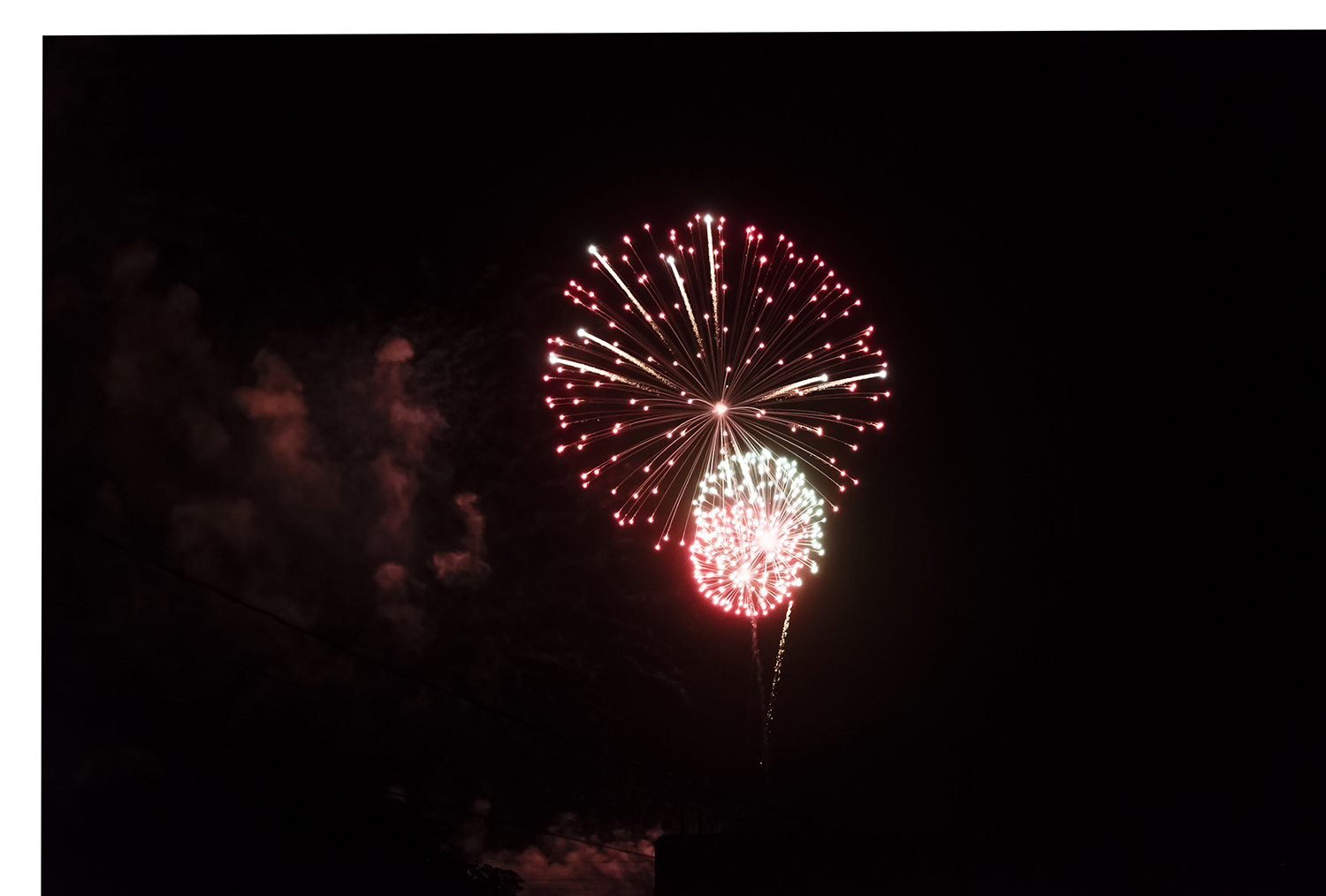
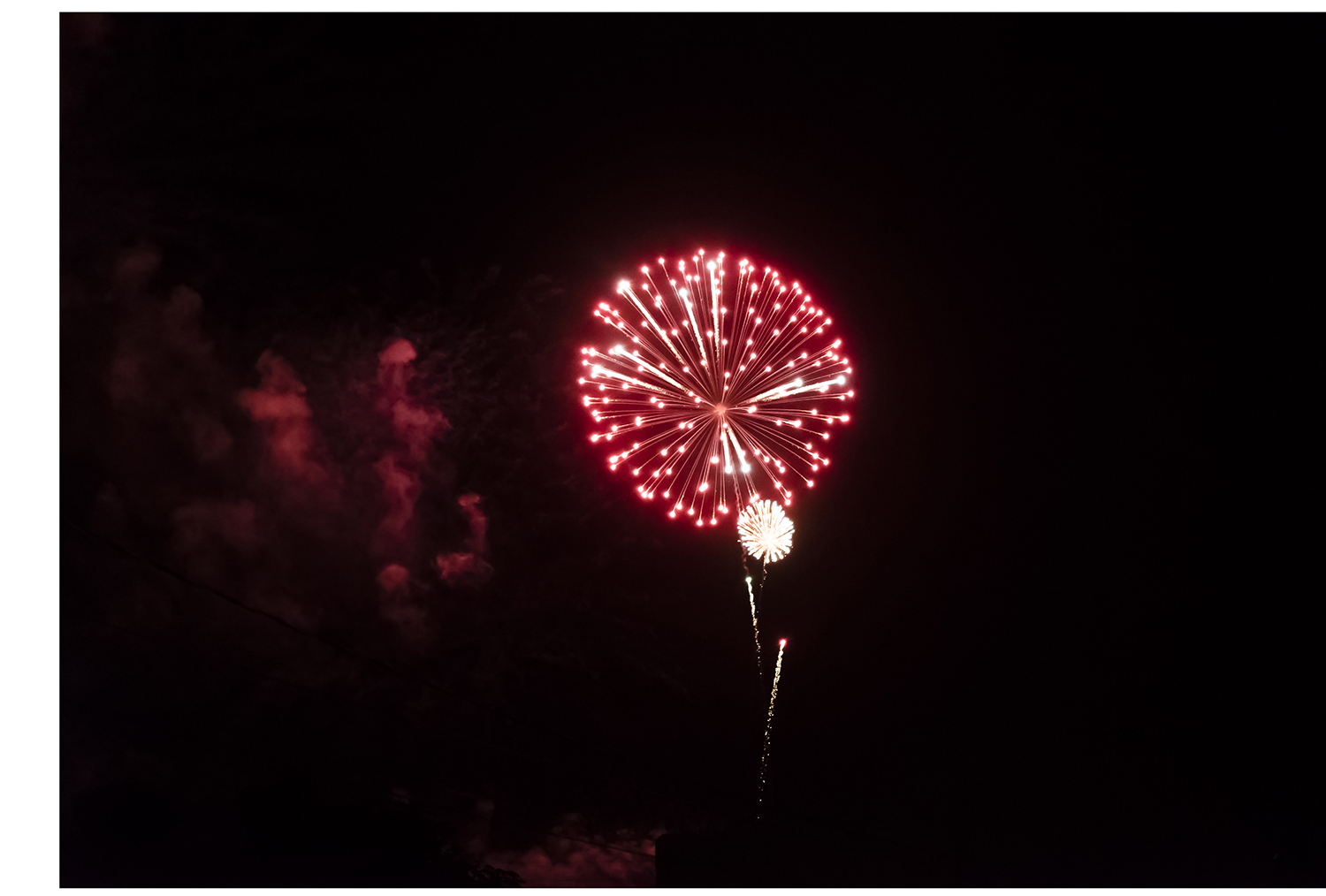
In my last post, I included a composite image of a firework exploding. In today’s post, I’ll explain how I did it. If you’d like to follow along, I’ve included the starting images at the bottom of this post. Simply right-click to download. You can use as few as two images, or all of them, with this method. You will need Adobe Photoshop CC or an extended version of an earlier Photoshop to follow along.

150906-fireworks-0072-edit-1986

The final product! Read below for my methods!

Step 1: Get photographs to composite

To create a composite image, you first need the images to composite! My images are below, and if you prefer to use them, you can skip this section. If you’d like to use your own images, you’ll have to capture them! In this section, I give all the nitty-gritty shooting details; you can also skip ahead if you know how to shoot an exploding firework.

You will need a DSLR, and you will need to know how to change settings like ISO, aperture, speed, exposure bias and your shooting modes. First, fireworks are dim and you will need to make sure your sensor gets all the light it can; I turned up my ISO to 12800 and opened my aperture all the way to f/2.8. (A side note about ISO: your camera may not go up to ISO 12800. My other camera tops out at 3200, and I find the images unpleasantly noisy above ISO 1600. I’ve still taken good fireworks shots with that camera. You may want to turn down exposure bias more than I have, and a tripod is a great asset.) Second, I turned the exposure bias down for several reasons: (1) to avoid blowing the highlights, (2) to allow a faster shutter speed, and (3) because an image of fireworks against a dark sky is a dark image, and a low exposure bias accurately reflects this. I turned the exposure setting down two brightness stops. I shot in aperture priority mode with a fixed ISO and a camera-calibrated speed. You could also fix the speed and allow the ISO to vary. With the settings above, the exposure times were 1/250 sec and 1/400 sec for the nine images. I shot in speed priority continuous shooting mode. I shoot with a Sony Alpha 7s– when shooting in RAW mode (rather than a compressed JPEG mode), it takes 5 frames per second. I took these shots using a monopod. A tripod can allow you more flexibility with your shot settings. I shot these images at a focal length of 72 mm and the Alpha 7s doesn’t have image stabilization, so I wanted my shutter speed to be 1/100 second or faster.

Phew, got all that?

Step 2: Prepare images for composite

Open your images as layers in Photoshop. (Consult this link if you’re uncertain how to open images in layers.) The order of the layers doesn’t matter at all.

The images must be aligned. If you shot using a tripod, you’re probably good. If not, there are two ways to align your images– the easy way and the hard way. If you are using my images, I have already aligned them for you.

The easy way: Auto-Align Layers Select all your layers. Then go to the edit menu and select “Auto-Align Layers”, as in the image below. Select the “Auto” projection in the dialogue box, then click okay. This method will work if there is an object in all the images that Photoshop can recognize and align, say the corner of a building. Sadly, Auto-Align didn’t work for my images. So it was on to the hard method.

auto-align-layers

The hard way: manually aligning layers This method is more slow than hard. (Still harder than the easy way, though!) Change the opacity of the second layer, and visually align it to the bottom layer using the move tool. You can get the move tool by pressing “v”. I’ve circled it on the tool panel in the image below. On the layer panel, I’ve circled the opacity settings too. I set the blend mode to “Difference”, which makes the differences between the two layers the brightest. Then I visually lined up the center of the explosion, as I show in the first image below. The second image shows the same view before manual alignment.

If you have more than two layers, as I do in the full-sized image, work your way up from the bottom, and use the “Difference” blending mode to align each layer to the bottom layer. Remember to put all your blending modes back to “Normal”!

After manipulation:manual-align

Before manipulation:manual-align-begin

Step 3: Creating the composite

Now that your layers are aligned, it’s time to put them together! Woo! This is a two-step process. First, create a Smart Object from your layers, and then set the Smart Object Stack Mode to “Maximum.”

Creating a Smart Object Select all your layers. Then go to the Layer menu, go down to Smart Objects, and select “Convert to Smart Object.” (See the first image below.) A Smart Object is a kind of envelope Photoshop uses to perform certain tasks. They’re great! You can read more about them here. Here, we need to make a Smart Object so we can use the Smart Object Stack Modes. After you create the Smart Object, you will only see one layer, and it will have the page icon that I’ve circled in red in the second image below. If you ever want to interact with the layers again, say to change the alignment, you just double-click on the Smart Object. We’ll do just that in Step 4 of this tutorial.

Before making the Smart Object:make-smart-object

After making the Smart Object:smart-object

Setting the Smart Object Stack Mode Now you have a Smart Object! In Photoshop CC and in the extended versions of previous Photoshops, you have access to a number of Stack Modes. As in the first image below, go to the Layer menu, then Smart Object, the Stack Mode, then Maximum. (Later, you can play with other Stack Modes, but for now, choose Maximum.) The Maximum Stack Mode looks at each pixel of the image and selects the highest luminance value for that pixel amongst all the images in the stack.

stack-mode

When you use all 9 images that I provide (rather than 2, as above), you’ll get the image below. Which is pretty fun! Because each pixel is the brightest of all the 9 layers, we get a sort of stop motion slo-mo image. And we can make it even better!


stacked

Step 4: Refining the composite

I think the middle of the fireworks is too muddled in the image above. I can’t do anything to alter the Stack Mode logic, but I can change the layers that it makes its choices from. And that’s exactly what I’m going to do!

Double click on the Smart Object image to open the contents of the Smart Object in another tab. You can change the Blending Modes and Opacity (green circle), or you can reduce the opacity of certain parts of each image using Layer Masks. You can create a Layer Mask by clicking the icon in the yellow circle. The Layer Mask for one layer is shown in the red circle on the bottom right. Click it to select it, which allows you to paint into the Layer Mask. Where you paint in darker colors, the image will become more transparent. Learn more about Layer Masks here. You can also perform other layer adjustments, such as Levels or Exposure. I prefer to do such adjustments in Lightroom before I even go to Photoshop, but there are no wrong answers.

If you ever want to see the effects of your changes on the final product, simply save your changes to the content of the Smart Object, and go back to the tab that shows the Smart Object. in-smart-object

Resources

Click here to go to the Flickr folder of full-sized images, or use the smaller images below.

layer1 layer2 layer3 layer4 layer5 layer6 layer7 layer8 layer9

Exploring Albuquerque

Albuquerque’s a great place to explore with a camera. The weather’s cooperative, mostly, with consistent lighting and low humidity. There’s a great balance of industry and nature, gaudy and dilapidated, geometric and organic. There aren’t many trees, so there are more opportunities for sweeping vistas, often punctuated by mountains or volcanoes. There’s even a great chance you’ll catch something awesome in the sky, be it a flyover from the air force base or a hot air balloon. So this weekend I explored Albuquerque–not the surrounding area– on a photo tour.

150906-downtown-abq-0041

Playful editing on Route 66. A vintage car in from the Pueblo Deco style Kimo Theater.

150906-abq-railyards-0249

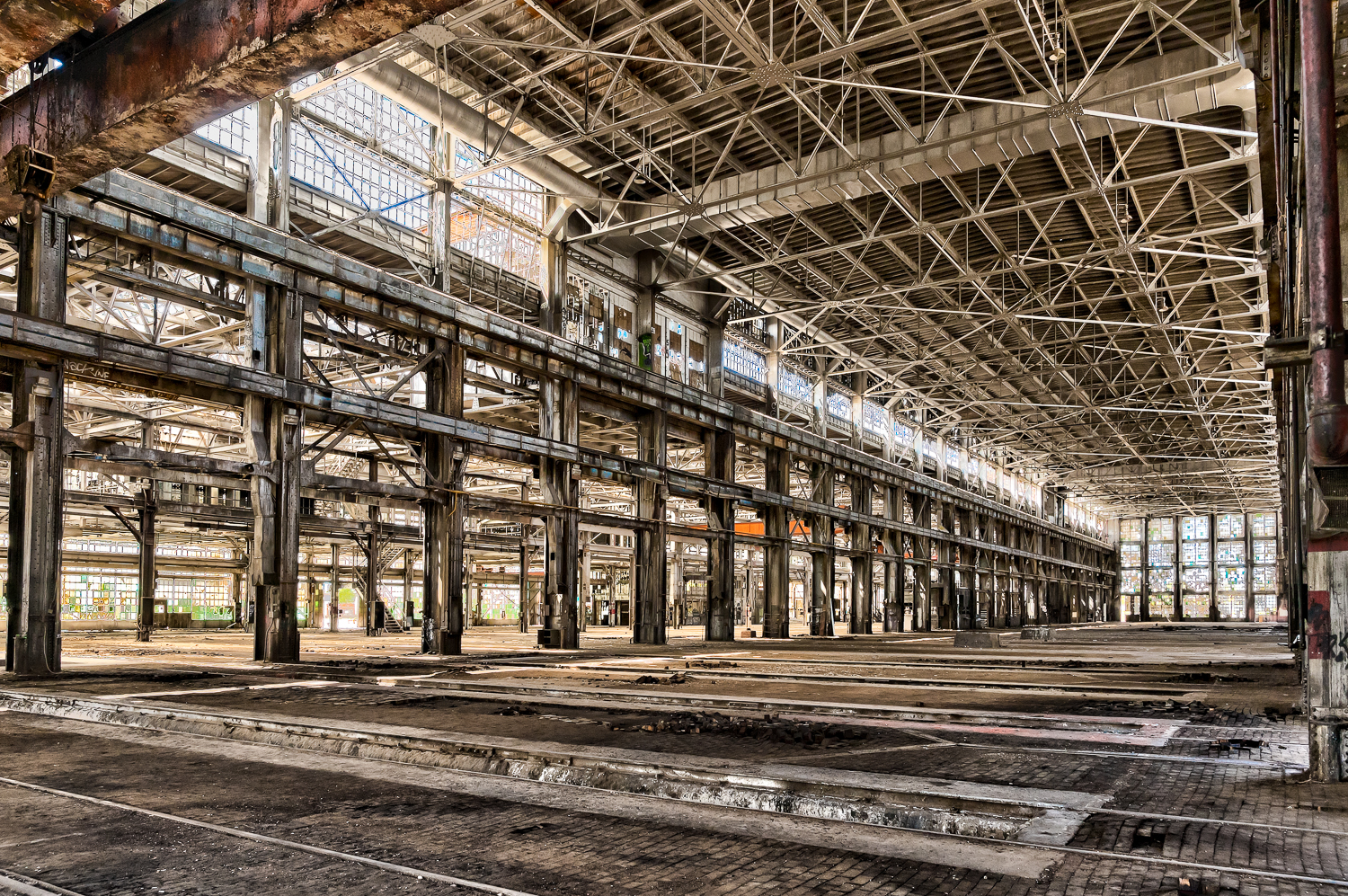
Abandoned buildings in the Albuquerque railyards, which once employed 40% of the city. Part of it now hosts a Sunday market.

150906-abq-railyards-0251-edit-1936

A look inside an abandoned building in the ABQ railyards. 5 exposures merged via HDR process.

150906-downtown-abq-0051

Cruising on Route 66 in downtown ABQ. A vintage car in from the Pueblo Deco style Kimo Theater. The vintage car drivers are very cooperative and slow down a little when they see the lens. ABQ has a lot of great vintage cars.

150906-downtown-abq-0084-edit-2005

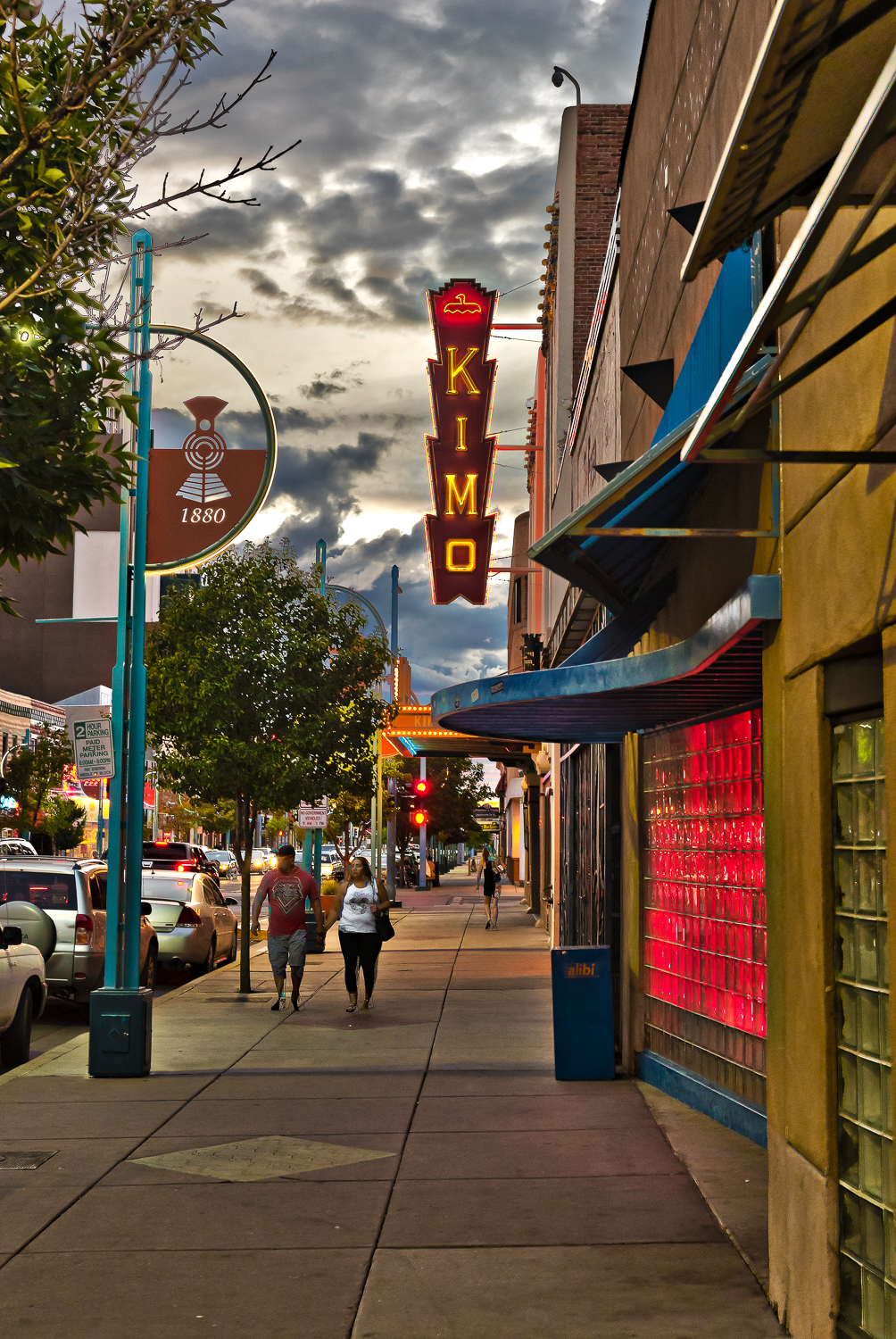
HDR sunset in downtown ABQ on Route 66.

150906-downtown-abq-0139-edit-2043

Cruising on Route 66 in downtown Albuquerque at sunset.

150906-downtown-abq-0171-edit-2059

The Kimo Theater marquis and the neon lights emerging at sunset in downtown Albuquerque on Route 66.

150906-downtown-abq-0196-edit-2079

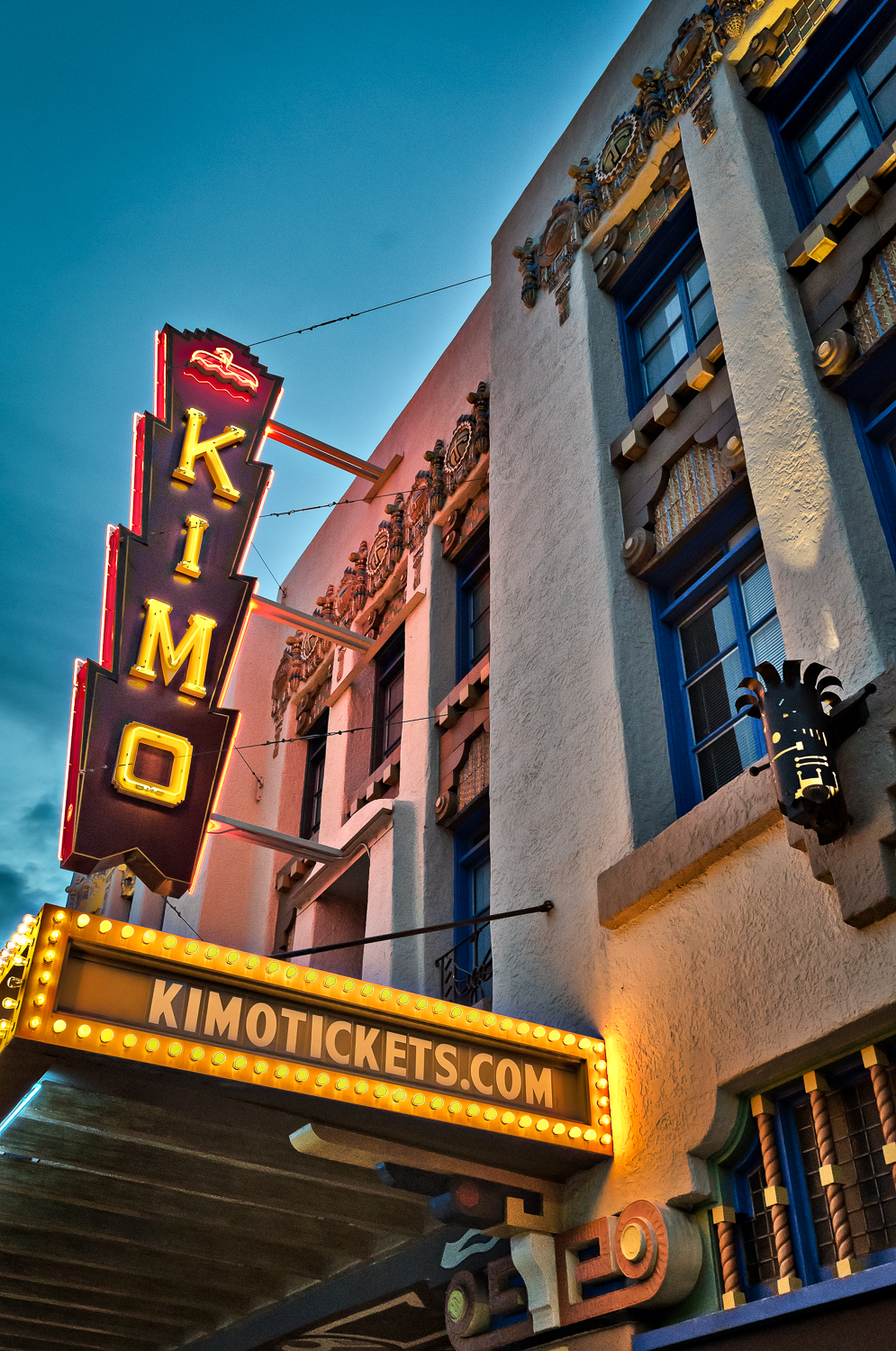
The Deco Pueblo style Kimo Theater

150906-downtown-abq-0248-edit-2114

The Launchpad concert venue in downtown Albuquerque.

150906-fireworks-0072-edit-1986

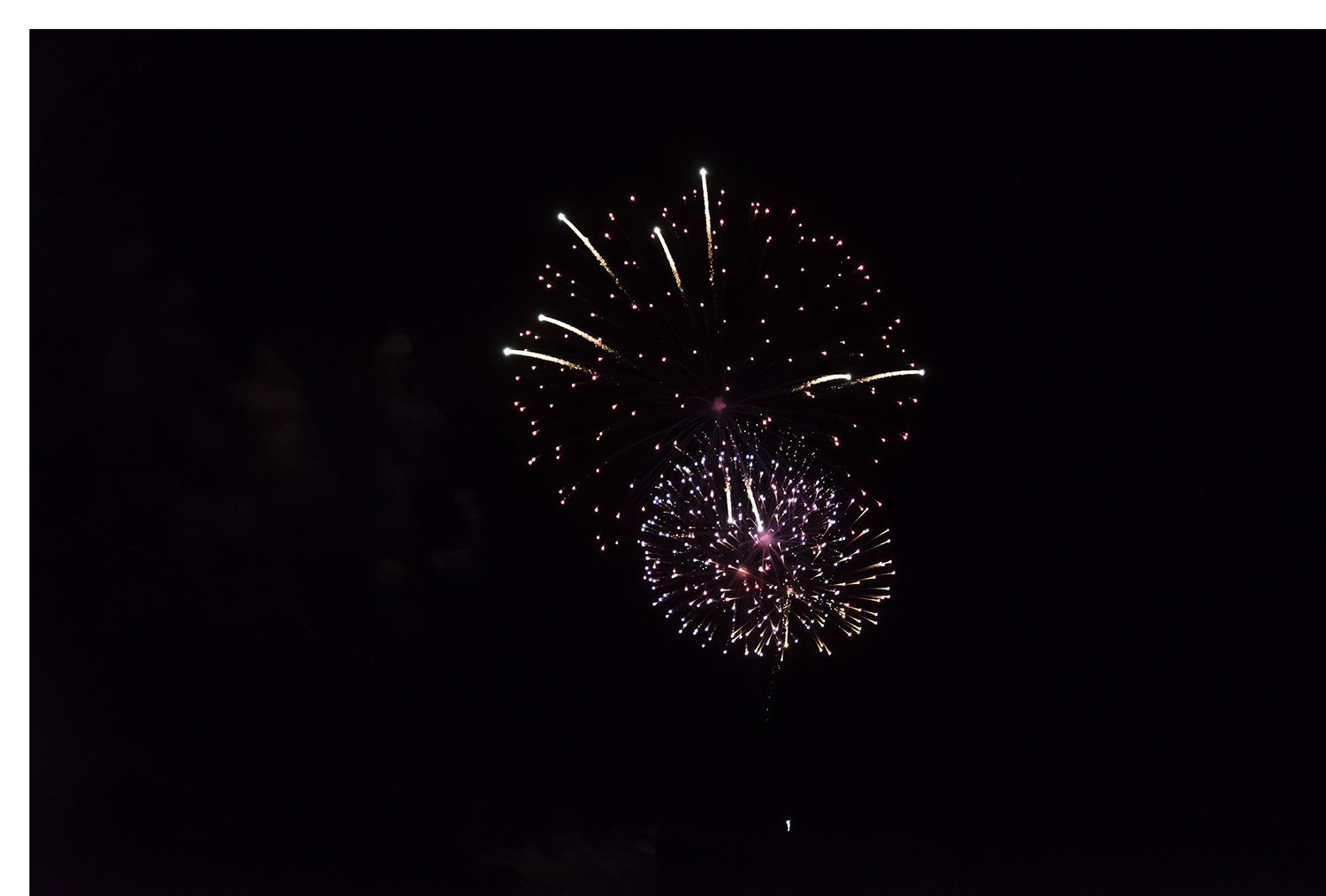
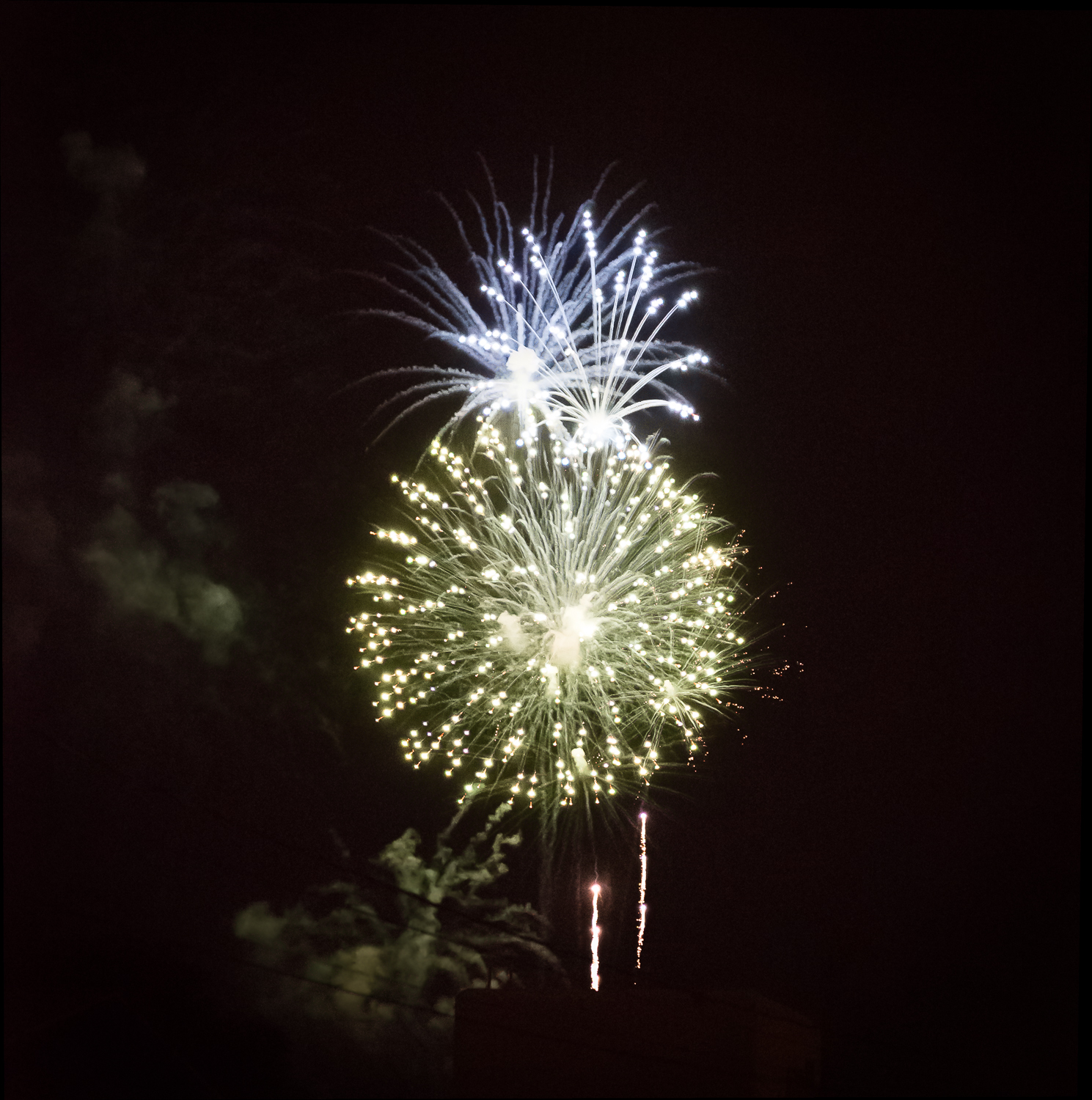
Labor Day fireworks. Photomerge of 8-ish images, because why not?

150906-fireworks-0109-edit-1972

Writing prompt: race your mouse day

Time: 7 minutes. Click here to go to my list of prompts.

“Race your mouse day” (Inspired by this list of silly holidays.)

“Ladies and gentlemen and the rest of us, the mice are being shown on the track now. Place your bets before the bottom of the hour! Look there at Thumbelina, a whole foot taller than last year! They must have discovered another variation for the Am-te-1 gene. And Fivel Goes Sonic is following. Yes, there have been some creative designs this year!” The announcer droned, though few listened.

The stands were full and the elite had their plumage set to “ridiculous.” Holographic dresses made women appear to have 12 inch waists. There were hats 5 feet tall, but didn’t obstruct the views of those seated behind. A man cooed at his pocket-sized St. Bernard. The fabrics were inlaid with microthreads to calculate ever-changing fractals. The men displayed their bare chests, elegantly carved by nanobots into perfectly sculpted forests of bonsais. It was the day of the mouse race. The finest lab specimens from centuries past had been carefully genetically modified. Some were great hulking beasts 12 feet tall. Others where lanky and narrow, but highly optimized in musculature. The mice had to contain at least 99% of the genetics of a Sprague-Dawley lab rat from the year 2000, but some of these beasts would have been difficult for humans from that time to recognize. Some of the humans might have been hard to recognize, but they weren’t modified in any genetic sense. That would be obscene.