Category Archives: Uncategorized

10 photos for 2015

How strange that this is the last Monday of 2015. I’ve done a lot in 2015. I moved 2000 miles and started a new life. There’s nothing like new digs to inspire photography and boy have I been inspired. Even after the standard culling, I have over 17,000 pictures from this year.

I’ve tried hard to improve my photography, revisiting basic lessons like composition and exposure and flash. I’ve taken photos that I wouldn’t have taken before–and I love them. I’ve committed to learning more about Photoshop, editing, and making the most of my images. I guess the best sign of all is that I’m eager for more in 2016 after all the hours I’ve spent behind the lens and in front of the computer this year.

So, without further ado, ten photos for 2015. They don’t cover everything from the year, but all ten represent different things. It’s great to look back over 17000 photos, you tend to forget some of them!

1

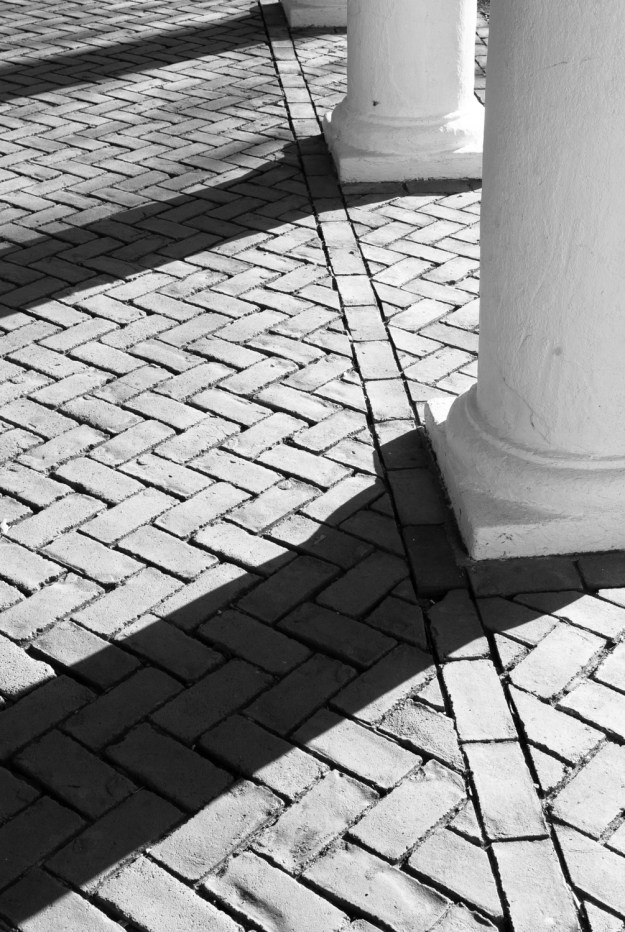
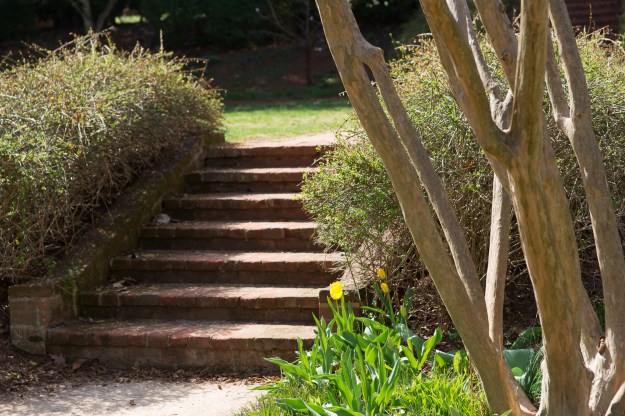
The famous columns and herringbone brickwork of University of Virginia’s Academical Village. And for me, revisiting the basics of composition, contrast, and lines.

2

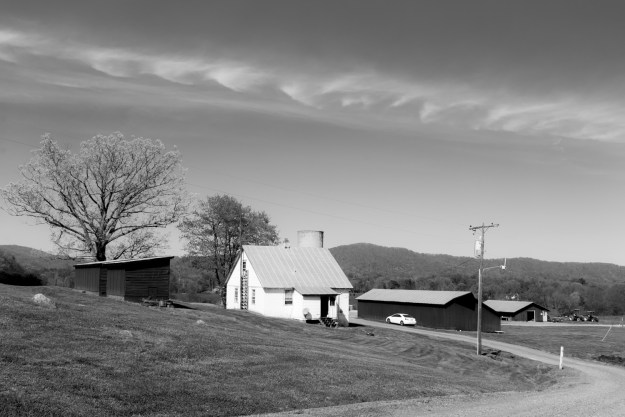
A band of clouds (maybe some variant on Kelvin-Helmholtz clouds?) over a farm in rural Virginia. And a study in black and white.

3

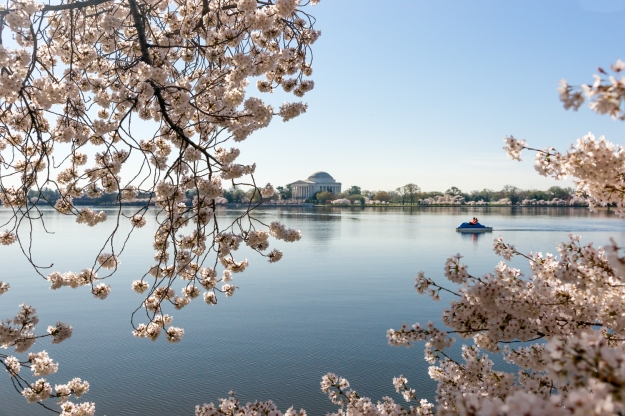
The Cherry Blossom festival in Washington, DC. Perfect blooms, perfect weather. And a composite of two focal depths so I would have my cake and eat it too, photographically.

4

A pinhole of a pinhead. My lovely Chat Noir posing on National Pinhole Photography Day. Pinhole photography is more fun than ever with modern ISO capabilities.

7

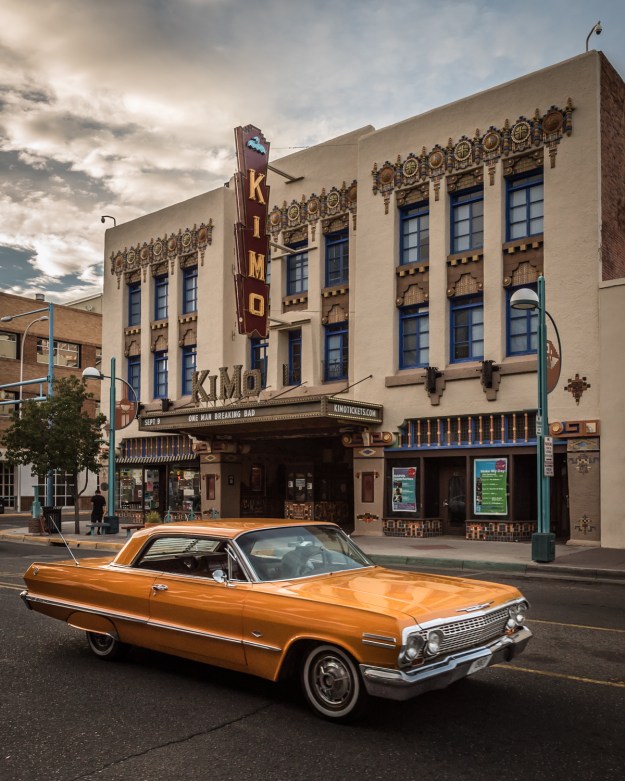
Iconic imagery in a new land. Pueblo deco architecture and classic cars on Route 66 in Albuquerque.

5

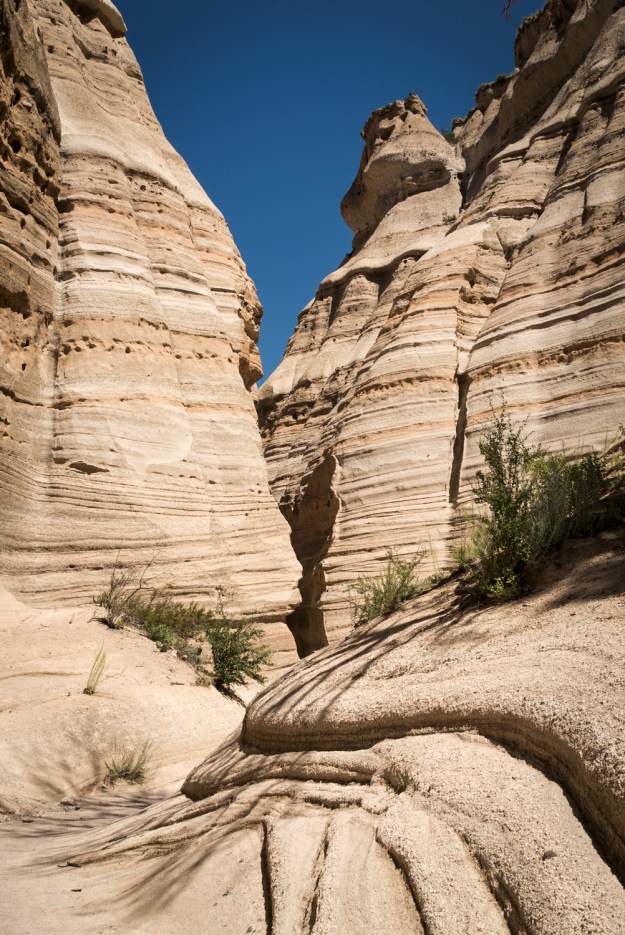
Western landscapes. A slot canyon at Tent Rocks National Monument.

6

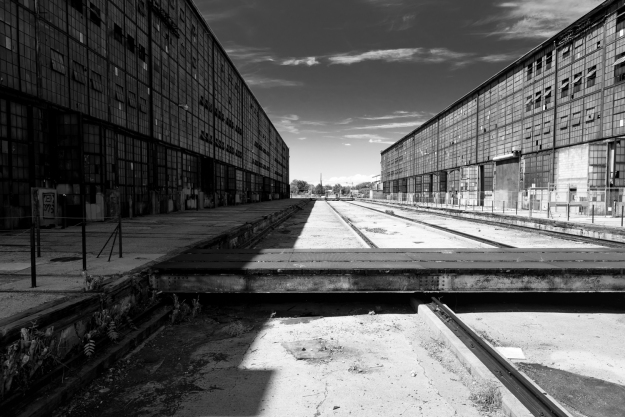
Industrial decay at the Albuquerque Railyards, once the largest employer in the city, now a weekly farmer’s market. And a lot of neat, disused buildings.

9

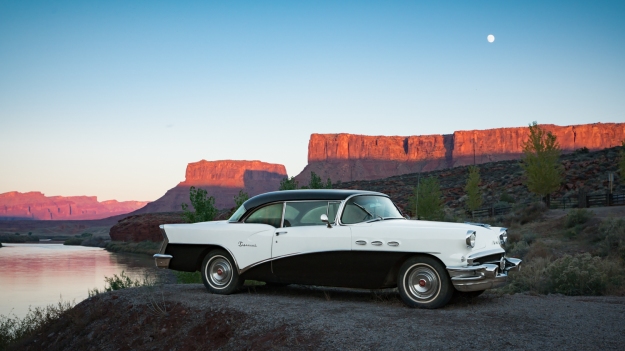
Classic car and red rocks on our October national parks trip. So many of my previous posts are stuffed with images from those journeys that I decided not to include more than just this one. Ten is quite the limit!

8

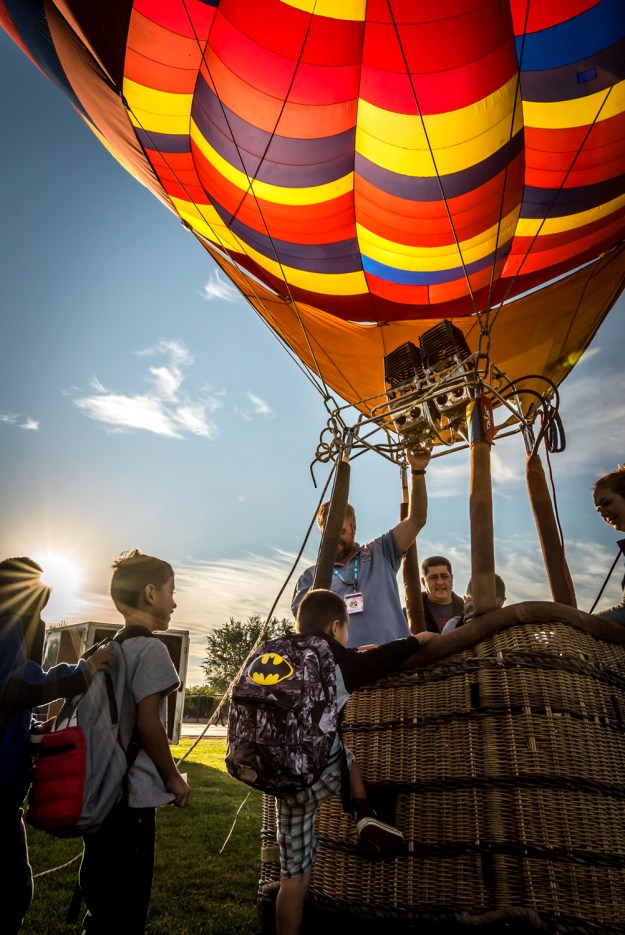
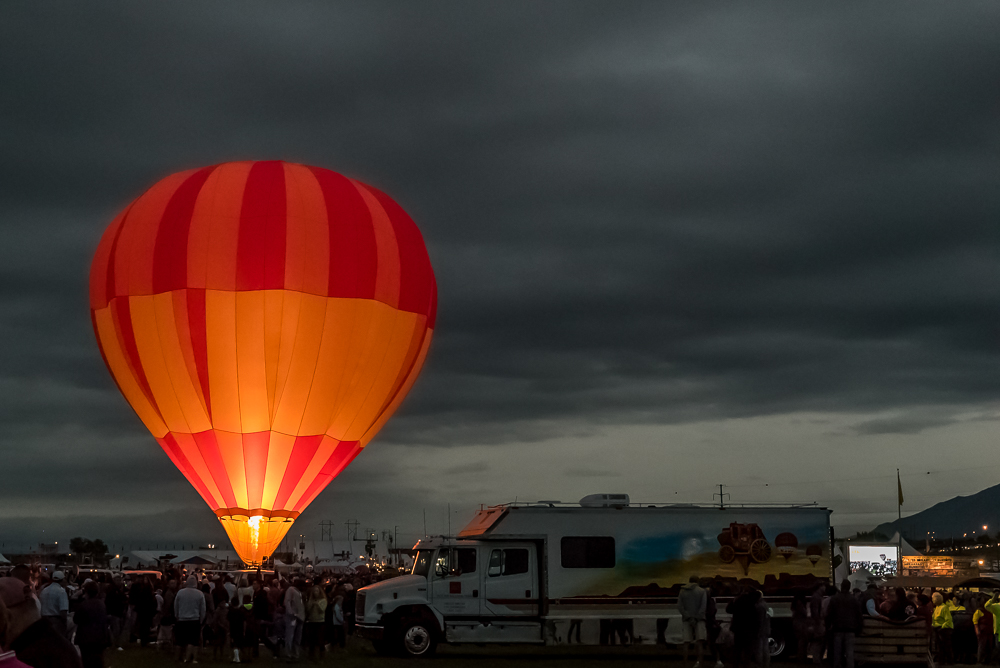
The day before the Albuquerque International Balloon Festival, balloonists visit local elementary schools and teach kids about aviation.

10

Bird love in Florida. Color, contrast, and life to end the year on a strong note.

A four day weekend goes a ways out west

You can do a lot in a four day weekend in the west. We visited White Sands National Monument, Chiricahua National Monument, the Arizona Sonoran Desert Museum, Saguaro National Park, and Petrified Forest National Park.

The pictures can say more than me. And I’m already a day late on this post! When I updated my operating system, my entire photo preview collection got eaten. Poor computer has been slaving around the clock since I discovered that yesterday. No data lost, but lots of work for compy and about 300 gigs of disc space that’s in limbo. Remember to back up your libraries!

Black and White: Not just for faux artistry

I used to dislike black and white photography. It seemed pretentious and useless; it was for portraits of very wrinkly old people, or still lifes of food. It seemed like an attempt to introduce drama or emotion that I never felt. Unless you were Ansel Adams shooting on silver nitrate, what was the point?

But since that time, I’ve found love for black and white. I found it in photo editing. And understanding the reasons a photographer might choose black and white helped me to appreciate the images. I guess I got there backwards, but regardless, I’m happy to appreciate a new category of photography at last. And if there are any others out there that just don’t get black and white, here are a few reasons that swayed me.

Adding drama that would look artificial in color

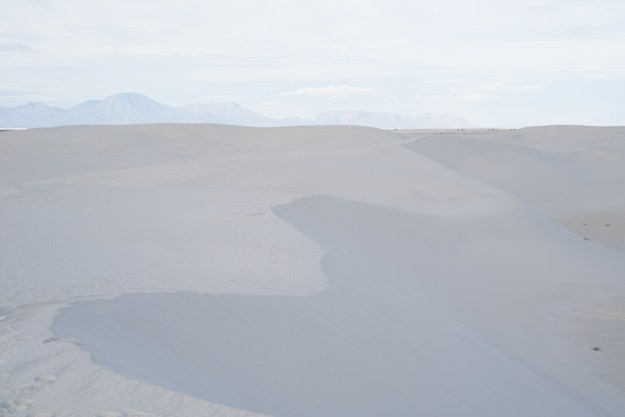
I encountered this situation just last weekend shooting at White Sands National Monument in Southern New Mexico. It was cloudy. White Sands is, as it sounds, a region covered with white sand dunes. Without a light source, it is monochromatic and flat. The mountains in the distance were hazy. The first image below is what the camera captured. I love the composition, but this is not a good image as-captured. It is gray and washed out.

So, I went to work in my editor. I knew this image would be flat when I took it, but I had faith that I could add life in post-processing. I pulled down the blacks, increased the contrast, and pushed the tone curve around. I added a gradient filter bringing up the exposure and contrast on the sand so it would look brighter, but so that I wouldn’t have to over-expose the sky. The second image is what I got. I hated it. The sand looked dingy, rather than the dazzling white it was in person and in the first image. The color balance for the sky and the sand would have to be different. That’s doable, but that means fiddling with masks in photoshop on a photo-by-photo basis, and then having tifs that aren’t as flexible as the RAW format I shoot in. I set my White Sands photos aside to tend to other pictures from the trip, hoping for a revelation at a later date.

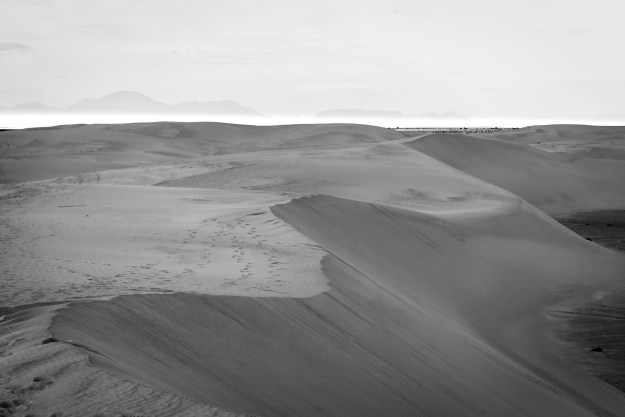
And I had that revelation a few days later: black and white. I took that second picture, added a warm light black and white filter, and had to tinker only slightly to get image #3. I love image #3. The sand is still dark, but I find it plausible without the saturation of image #2.

Black and white isn’t just black and white. As a photographer, you have a choice how to map between color and b+w. You could just use brightness for that conversion, but why be restricted? Maybe you want a nice dark sky, and thus you want blue to map to a dark black and white value. Film photographers used colored glass filters to influence which colors were light or dark in the black and white rendering of the image. They had to make this choice at shooting time because the image captured in black and white. Nowadays with digital, we capture in color and can make choices in the comfort of an office chair. A warm light filter brightens the warm colors of the image and darkens the cool colors of the image.

Image #4 shows what image #3 would look like with a cool light filter (with bright cool colors and dark warm colors). In my opinion, image #3 is the obvious winner. But you can see what a difference the bw/color mapping makes. Other than the bw filter settings and an exposure adjustment to avoid overexposure, images #3 and #4 are the same. They don’t feel the same at all.

San Andres Mountains behind White Sands

Image #1: Without any edits

San Andres Mountains behind White Sands

San Andres Mountains behind White Sands

Image #3: Black and white #1, using a warm light filter.

San Andres Mountains behind White Sands

Image #4: Black and white #2, using a cool light filter.

Directing the viewer’s eye

Sometimes I like to use black and white to clarify an image. In this case, the image isn’t a disaster to edit in color, it just doesn’t need its color info.   At best, the color is irrelevant, and at worst, it can be distracting.

In the first pair of images below, I liked the different linear elements, some horizontal, some vertical; some organic, some artificial. The browns and reds and greens of this image aren’t terribly impressive, and they don’t contribute to this narrative I wanted to convey. I felt that leaving the color would convey nature as the subject rather than the abstraction I wanted to convey. So I changed image #1 to image #2. I did this edit 8 months ago. Now I look at the black and white and want to push the contrast harder on the tree; perhaps if I did this edit again I would brush some contrast in.

SONY DSC

Image #1

SONY DSC

Image #2

In this pair of images, again I was interested in an abstraction. I took this photo as part of a photography prompt: photographing light. The windows of a building across the street were reflecting light onto these windows. The window-vs-window aspect intrigued me. But other than the window reflection, the image was of a drab building wall in shadow and a slightly washed out sky. Not very exciting. By removing the color information, I thought the image more truly captured the “photographing light” prompt that I wished for it to convey.

Windows and reflections of windows

Image #3

Windows and reflections of windows

Image #4

Of course there are other reasons to edit to black and white. Sometimes it is to convey mood or to fit a theme. But the examples above are reasons that didn’t occur to me when I first started shooting. And they offer a lot of creative options that I didn’t realize either. Black and white can be dynamic and fun!

The Mineral Maketh the Monument

I spent my holiday weekend exploring New Mexico and Arizona. I visited four national park service sites. I played in the sand, hiked amongst stone columns, walked through fields of trees turned to sparkling stones, and looked from a volcanic plateau over a desert of color. I visited White Sands National Monument, Chiricahua National Monument, Saguaro National Park, and Petrified Forest National Park, and with the exception of Saguaro, I was struck by how little flukes of crystallography and geology birthed the places of beauty I admired.

White Sands National Monument

White Sands National Monument is located in southeast New Mexico, not too far from Roswell. The national monument is surrounded by White Sands Missile Range, which contains the Trinity Site (which by the way, looks rather dull from the road, just a plaque. There were a lot of cattle grazing nearby, amusingly). Occasionally, the monument closes because of tests on the missile range. The morning of the day we visited, an F-16 crashed in the missile range (the pilot was okay).

White Sands National Monument is made up of gypsum sand. That sand is actually why it’s a missile range. It’s brilliantly white, and thus makes a great target. Check it out on google earth, it really sticks out.

Gypsum is water soluble, so gypsum dunes are pretty rare. The White Sands dunes exist because the Tularosa Basin in which it sits has no drain. The dunes are basically a dried lake bed–a small lake does exist at the southern end of the park. In my humble opinion, gypsum kicks silica’s (normal sand) butt. The grains are very fine. They sell sleds in the gift shop, and families went sledding on the dunes. The sand doesn’t capture heat like silica sand does. And when you get sand in your mouth, as you will when sledding or when you drop your water bottle in  the sand like I did, it dissolves. Truly, the gypsum sand dunes are the closest thing I’ve ever seen to warm snow.

(Gypsum is generally just a cool mineral. Selenite is composed of gypsum. If you’re in a rock shop, find a piece to look at. Selenite has what is known as birefringence–if you set it on text and look through it, you’ll see that text twice. Gypsum also is what desert roses are made of. Selenite crystals have been found up to meters long in caves in Mexico. Gypsum is also what makes drywall. And gypsum is just calcium bonded to sulfate. Chemistry is wonderful stuff.)

The White Sands National Monument is spectacular, more spectacular than many national parks I’ve seen. The nearby Organ Mountains are beautiful too. I suspect this would be a national park, if not for the air force wanting to bomb it from time to time. It is absolutely worth a visit– but it is in southern New Mexico, so perhaps at a cooler time of day or year. On November 25th, it was a high of 75, and it was great.
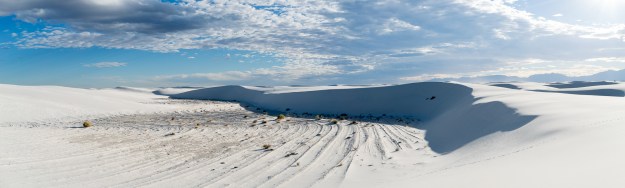
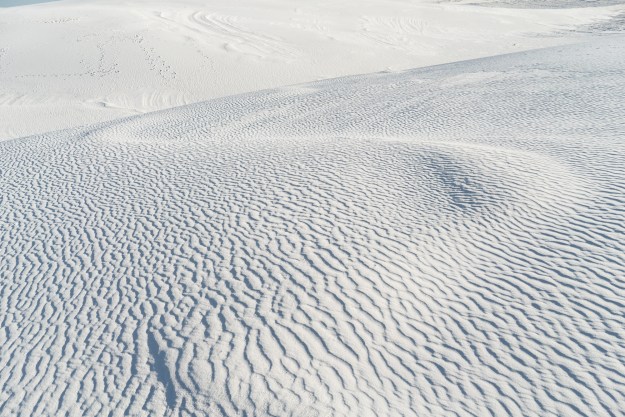
151125-white-sands-06624-Pano151125-white-sands-06654151125-white-sands-06022

Chiricahua National Monument

Chiricahua National Monument is the 14th least-visited national monument of the 114 national monuments in the country. I thought it was paradise. There aren’t many places this beautiful that you can enjoy in relative privacy. Unlike many of the little-visited national monuments in New Mexico, Chiricahua has quality paved roads all the way to and into the park. It’s only a 40 minute drive from I-10 in southeastern Arizona. If you happen to find yourself in that part of the country, Chiricahua is worth it.

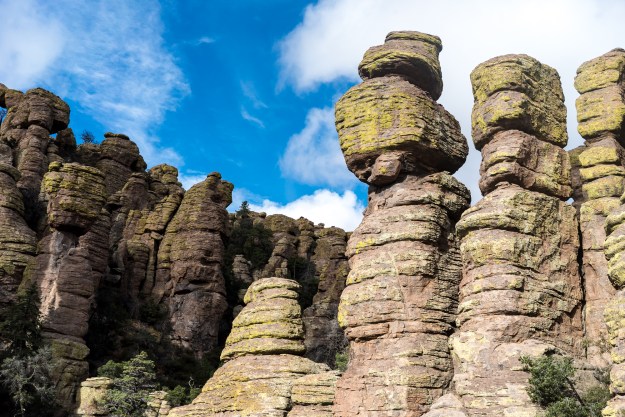
The magic mineral in Chiricahua is volcanic rhyolite. Rhyolite is chemically similar to granite, but it forms differently. It cools faster at the time of formation, and therefore has smaller crystals. The rhyolite at Chiricahua formed with tension in the rock, leading to cracks called joints. Over millions of years, wind, water and plant life have worked at those cracks and led to the thousands of rhyolite pillars that fill the park. Much of the work was done in the CCC era… walking around I marveled at what hard work that much have been in this park, and yet 80 years later the park is still relatively unknown.

Chiricahua has been one of my favorite hikes yet. We did the Echo Canyon loop trail, which is chock full of great sights. You see columns up close and at a distance, with relatively little pain for a 3.3 mile trail. Several other longer trails looked like fun, and I intend to be back to check them out.
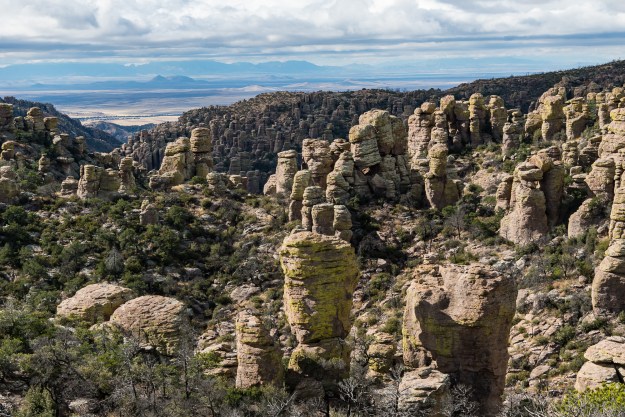
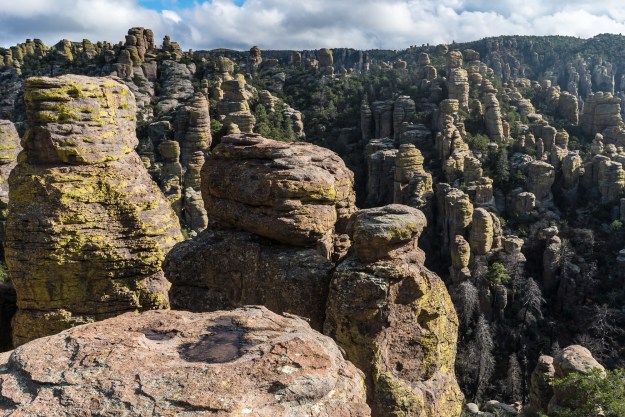
151126-chiricahua-07025151126-chiricahua-07153151126-chiricahua-07206

Petrified Forest National Park

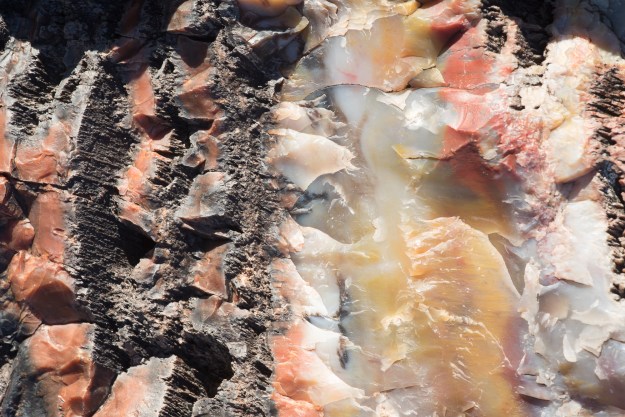
Although this was the most famous of my destinations, the miner0logy for this one was the toughest to research! Petrified Forest National Park contains its eponymous petrified wood, but it’s also famous for the colorful sands of the painted desert. I found lots of information on petrified wood; it is formed by felled trees that, because they get buried for some reason, are not subject to the normal decay processes. The wood turns to agate (like those agate slices from geodes that I used to collect as a kid) and the result is beautiful colors and stone. Some of the wood is imperfectly agatized, and still contains ancient DNA, which is also cool. It’s pretty cool to think that the grassland desert of Petrified Forest was once an equatorial forest full of enormous trees. What a difference 200 million years makes!

The painted desert was harder to research. The different colors are due to different layers of rock from different eras. But I wanted to know why some were blue or red or purple or yellow! What chemicals? The internet is built by geeks of the bit variety and less the atom variety, so my struggle turned up little in the initial investigation. So, I take it as a great challenge for a future post!

Petrified Forest was a bit cold this time of year! The low overnight when we were there was 22. So I must recommend it with a tad more warmth. But the hiking was great. We did a backwoods trail by the Jasper Forest and walked along the dirt road that once brought stage coaches from the railroad station. If such a landscape feels alien to us, with TV and internet bringing us HD video of any place at a click, one thinks what a landscape felt like in 1906 when the park was designated as a national monument. Even today, it’s an open, austere place, full of ruins 200 million years old.
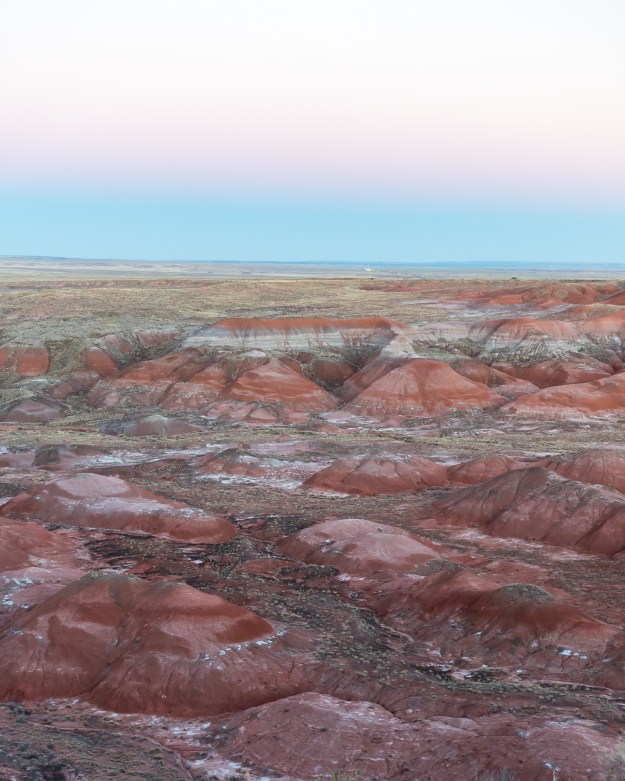
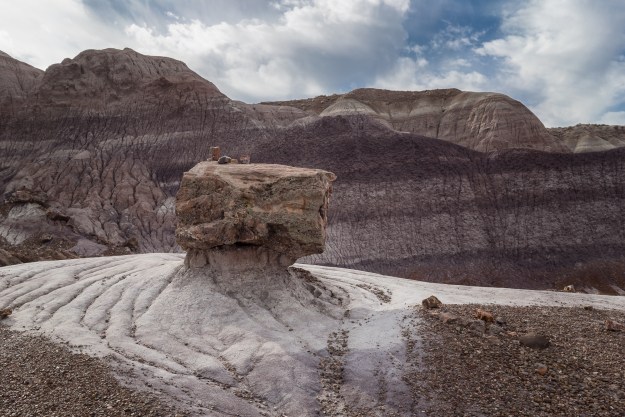
151128-petrified-forest-08657151129-petrified-forest-08839151128-petrified-forest-08492

A Thousand (non-paper) Cranes

Every year, sandhill cranes migrate south for the winter. They winter in Florida and the gulf coast and California. You might be surprised to hear that they winter in New Mexico. And they do, by the thousands. And one of the places they winter is the Bosque del Apache National Wildlife Refuge, about 90 miles south of Albuquerque.

This past week, Bosque del Apache hosted its annual Festival of the Cranes, a wildlife and photography event focused upon the large wintering population of cranes. The festival hosts classes, workshops, and lots of bird-obsessed topics. We visited the festival on Friday. And we saw a ton of cranes. But we also saw thousands of snow geese, several deer, at least a hundred turkeys, a western screech owl, and several raptors.

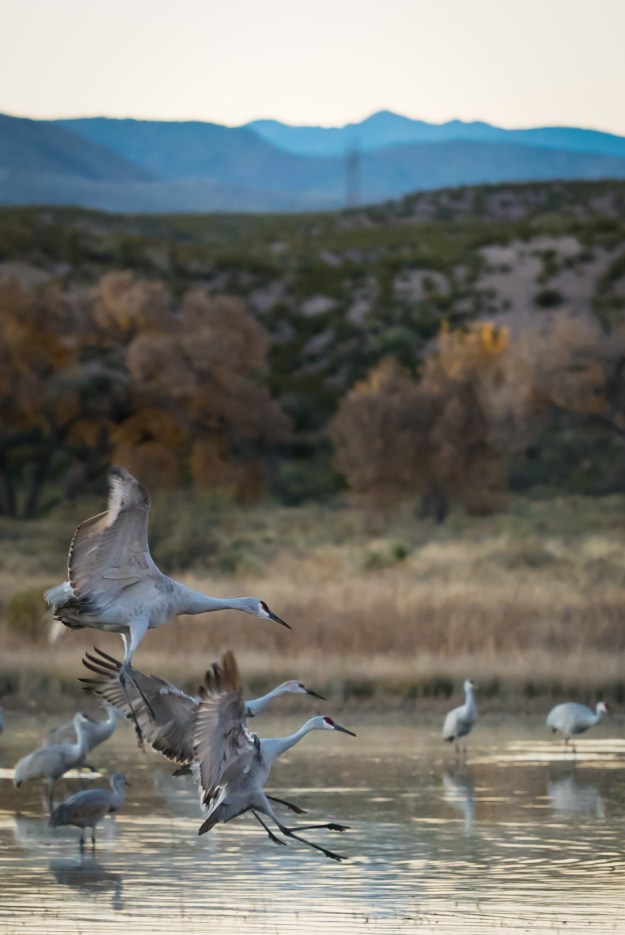
Our guides told us that the refuge was established in 1939. Canals and ponds were constructed with CCC labor. In the first year that records are available, 1941, the refuge hosted 19 cranes. Nowadays, the estimates run closer to 20,000. It is not something I expected to find in New Mexico. At sunset, we watched hundreds of them glide in to land, and we watched the somewhat-territorial birds squawk at each other and vie for space. It’s truly a wildlife experience that can be had with little expertise and little hiking. The cranes are around until February this winter and every winter. I know I’ll be back.

151120-festival-of-cranes-05727

Cranes landing at sunset in Bosque del Apache National Wildlife Refuge in New Mexico.

151120-festival-of-cranes-05652

151120-festival-of-cranes-05791

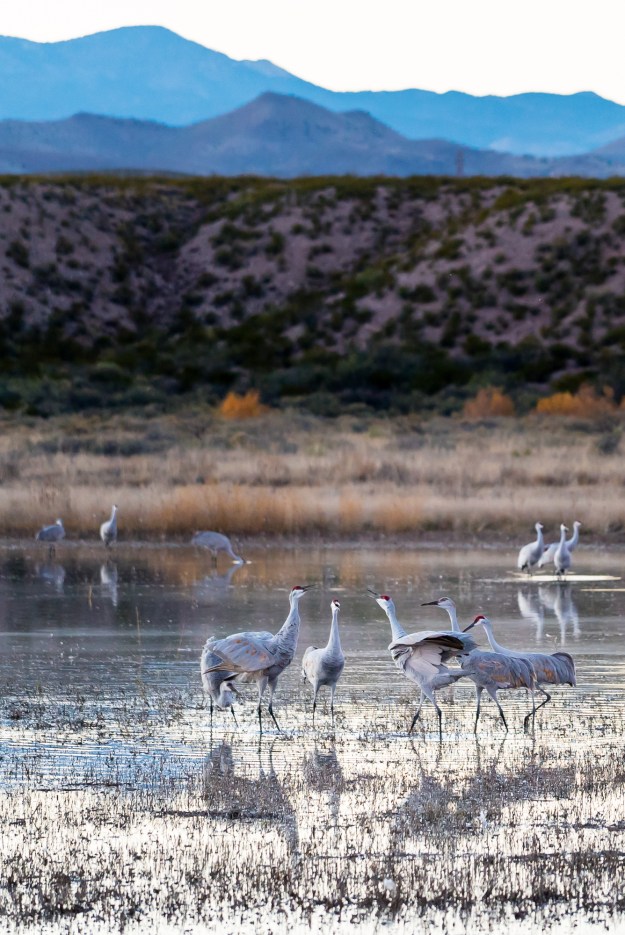
Territorial negotiations amongst cranes. The ones with red crests are adults, and those without are juveniles. Amongst the six cranes in front, the bent over leftmost crane and the second-from-right are the two juveniles. Cranes have very strong family units; two interact here.

151120-festival-of-cranes-05735

151120-festival-of-cranes-04760

Cranes in a field of corn.

151120-festival-of-cranes-04642

A million views and a thousand balloons

Early this morning, my Flickr page crossed over the one million views threshold. Which is pretty exciting! I started my Flickr page almost exactly eight years ago, just after I got my first DSLR. Since then, I’ve taken a lot of pictures and learned a ton, and had a blast doing it.
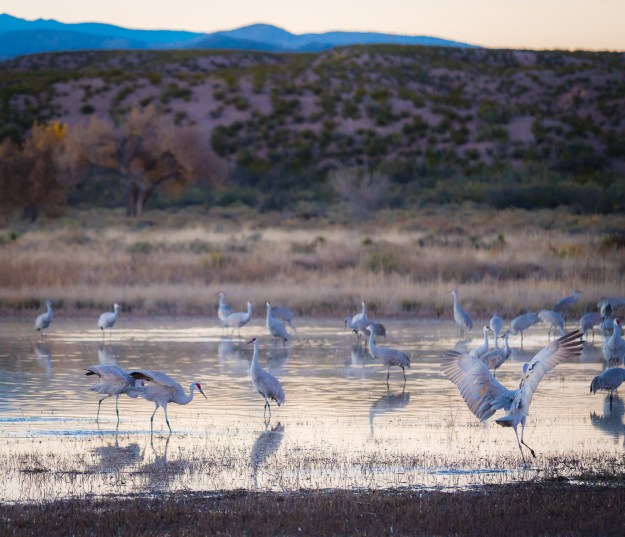
million views

And early yesterday morning, I biked to the Albuquerque International Balloon Fiesta, one of the biggest hot air balloon gatherings in the world. It. Was. Amazing. The bike ride, the balloons, the launches, EVERYTHING. It was one of the most fun things I’ve done, and easily one of most exciting things to photograph. I took about 1500 photos (though a lot of them were duplicates to hedge my exposure bets). It’s been a wonderful weekend!

151004-balloons-00001 151004-balloons-00652 151004-balloons-2586 151004-balloons-2601

Old stuff out west: The Palace of the Governors in Santa Fe


From Wikimedia Commons.

When we think of old buildings in the United States, we think of the east: Boston, Philadelphia, Jamestown. Instead, we should think of the Southwest. Taos and Acoma Pueblos are pre-Columbian and still occupied today. And the New Mexico Governor’s Palace in Santa Fe was built in 1610 and housed local leaders until 1909.  By contrast, Thomas Jefferson’s Monticello was built in 1772. The Palace of the Governors has a century and a half on it. New Mexico is the fourth youngest state, gaining statehood in 1912. I’ve always thought of the southwest as a new area, barring poorly recorded native activity, a region discovered in the era of Cowboys and Ranches and the Indian wars of the 1800s. Visiting the Palace of the Governors reminded me what a rich history our southwest has.

The Spanish came to New Mexico in 1598. They established the capitol in Santa Fe in 1609, building the Governor’s Palace in 1610. New Mexico was a part of Spain until 1821. It was then part of Mexico until 1848, when it became a part of the United States following the Mexican-American War. So New Mexico was a part of Spain for half a century longer than it’s been a part of the US.

Much of this tumultuous history revolves around the Governor’s Palace. In 1680, the Pueblo Indians’ revolted against Spanish Rule and took the Palace for 12 years. Governor Lew Wallace wrote Ben Hur as the sitting governor of New Mexico Territory in the Palace. This video tells the tale of Bernardo López de Mendizábal, territorial governor from 1659-1660, and his wife, Teresa de Aguilera y Roche. After criticizing the Spanish government, the Inquisition arrested them on suspicion of being crypto-Jews (this term is another wild piece of history all by itself). He died quickly in custody in Mexico City, Teresa wrote about her life in New Mexico.

Today, the palace is a history museum. You can see the various ways the palace has been modified over the years. You can look at the exhaustive list of governors that ruled from the palace. It’s impossible not to feel the immensity of the history in that list. New Mexico was the frontier for a long time, not just in the United States. And living in New Mexico today one feels that spirit.

Book Review: Pandemonium (Daryl Gregory 2008)

Note: in this review, I avoid specific spoilers beyond the first few chapters or back cover blurb. I discuss my reaction to the ending, but none of the specific events.

Rating: 3.5/5 stars

I don’t read a lot of fantasy. I chose to read Pandemonium because it was the book club selection for a book club meeting I failed to attend (sigh, moving). I devoured this book in less than 48 hours and I really enjoyed the process of reading it. For two reasons, this book forced me to contemplate the nature of science fiction versus fantasy: 1) because the book explicitly calls out the artificiality of the separation and 2) because I myself strongly tilt towards science fiction.

Pandemonium is set in a world where demonic possessions happen. They come in many flavors; there’s the Captain, who possesses soldiers and performs acts of bravery and there’s the Little Angel, who possesses little girls and releases old people from the pain of the world. Del Pierce was possessed as a child, and now as an adult he suspects that the demon never entirely left him.

Science wants to understand these possessions as much as it wants to understand cancer in our own world. Del wants to be freed of his demon, by science or otherwise. He’s damaged by what he’s endured. He talks to scientists and to their less-scientific groupies. Del’s condition isn’t considered possible by science, and he’s exasperated by the limitations of science. The characters criticize the way the scientific community regards the demonic possessions. It felt like the tired criticisms of our scientific process. Perhaps, as a scientist, I’m over-sensitive to such things.

People separate fantasy and scifi in different ways, and here’s my separation: fantasy is about exceptions to the rules and scifi is about inevitable outcomes of the rules. Harry Potter is an exceptional member of an exceptional class of people. Piers Anthony’s Xanth stories are about the people with the best magical powers. Ann Leckie’s Ancillary Justice is about one of many sentient programs that through a unique set of circumstances becomes something more. Nancy Kress’s Beggars in Spain is about the first products of genetic engineering. Both genres often focus on exceptional characters, but in scifi the character is exceptional due to circumstances and in fantasy the character is inherently exceptional in some way that cannot be explained.

In arguing a lack of separation between science fiction and fantasy, Pandemonium has the trappings of fantasy but makes several explicit science fiction references. Early in the book, a character (named Valis) quotes Philip K. Dick and asserts that “you cannot separate science fiction from fantasy.” There are references to AE van Vogt and Theodore Sturgeon. I made a mental footnote to expect something genre-defying at the end.

After the book argued for the lack of distinction between the genres, the ending didn’t challenge my definition of fantasy. For me, this was a book about demons and possession and the human psyche. Which is fine. But like Chekov’s gun, after a lot of discussion about the blurred lines between two genres, you expect to partake in a book with blurred lines. I didn’t dislike the ending, but I didn’t feel affected by it either. I flew through the book, finished it, and shrugged.

Pandemonium is a lovely read. As a mild scifi snob, I am out of its core audience, and I can’t say how those with different genre sensibilities might feel about it. For me it just felt insubstantial, like a book that will fade from my memory.

Welcome to the west

I’m back online as of this week, after driving across 10 states in a compact car with my husband and two cats. I come to you now from the west, and it’s hot! This week I will get back to my regular schedule of posting writing prompts on Thursdays and regular posts on Mondays.

For the last month, I’ve been packing, unpacking, driving, assembling furniture, and creating spreadsheets of the dimensions of my furniture. I’ve been struggling all day to come up with a good topic for today’s post;  my brain is still in moving mode, uncreative but good at spatial organization. But as with writing prompts, the key to getting back into things is to start. So with this post I’m starting!

Some brief thoughts on the west:

  • Low humidity is nice. Yesterday the high was 102, but I went on a two-hour bike ride from 10-12 and did not evaporate. The humidity is 9% right now.
  • Hooray for southwestern cuisine. Charlottesville was big on the locovore movement, but that’s more about ingredients than combinations. St. Louis has its lovely paste cheese and transcendent toasted ravioli, but these are specific dishes. Here we have words for food that I have to look up: calabacitas, fideos, sopapilla, adovada, posole… Here there is an entirely different kind of food rather than a few different dishes.
  • I’m back in the land of gridded roads! Charlottesville has a handful of through streets. Windy, narrow through streets. For a town of its size, the traffic is insane. If you choose to bike, you can choose between 45 mph rural country highways with no shoulder or bike lanes placed thoughtfully between moving cars and parked cars on said over-crowded urban streets. My bike gathered cobwebs in Charlottesville.
  • Western mountains are neat. Yes, Charlottesville had mountains. Ancient, sanded mountains covered with forests. Here we have big craggy mountains. Mountains that make hikers go missing, mountains of extinct volcanos.
  • Things seem close, but they aren’t, but they kind of are. Charlottesville is 2.5 hours from DC, and 6 hours from NYC. That drive to NYC is 6 hours of eastern aggression hell. Thank goodness for the train. Here, all the cities are 6 hours away at least. But that’s 6 hours of calm, flat road. I’m looking forward to exploring the west.

Vironevaeh

May 4, 2015

Vironevaeh's avatar

Today my husband defends his PhD dissertation. Tomorrow I’ll explain what that means, since I get a lot of questions, but today I’ll be busy!