Tag Archives: photo

A four day weekend goes a ways out west

You can do a lot in a four day weekend in the west. We visited White Sands National Monument, Chiricahua National Monument, the Arizona Sonoran Desert Museum, Saguaro National Park, and Petrified Forest National Park.

The pictures can say more than me. And I’m already a day late on this post! When I updated my operating system, my entire photo preview collection got eaten. Poor computer has been slaving around the clock since I discovered that yesterday. No data lost, but lots of work for compy and about 300 gigs of disc space that’s in limbo. Remember to back up your libraries!

National Monuments in New Mexico

Of the 117 designated national monuments in the United States, 14 of them are in New Mexico, second only to Arizona.  When I moved here in June, I dreamt of Arches National Park and the Grand Canyon and the mountains of Colorado. But I am learning what wonders my own state contains. All are 5 hours or less from Albuquerque, and 8 of them are among the 20 least visited national monuments in the country.

The national monuments here vary wildly. There’s anthropology at the Gila Cliff Dwellings in the mountainous southwest (discovered by a man shirking jury duty). There’s a 17th century Spanish Mission at Salinas Pueblo Missions in the eastern grasslands. There are miles of white gypsum dunes at White Sands, which also doubles as a bombing range.  There’s Petroglyph National Monument on the west of Albuquerque, with canyons full of ancient drawings.

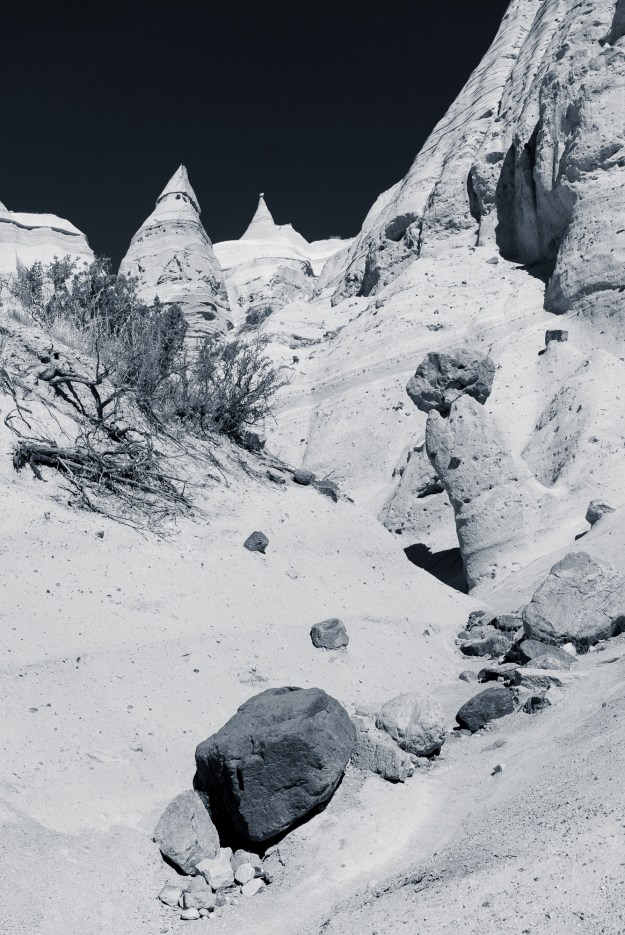
The western landscape expands your vocabulary. You can see a slot canyon and hoodoos, or oddly-shaped rock columns 75 feet in height, at Kasha-Katuwe Tent Rocks. In addition to the lava fields and caves of El Malpais, you can check out the tinajas, dents that hold water after rain and bloom sporadically with life, in the sandstone bluffs. Anywhere you find sandstone you might find tafoni, or small and intricate erosion patterns.

So I’m slowing traveling to the national monuments of New Mexico, camera in hand. I’ve visited Petroglyphs, Kasha-Katuwe Tent Rocks, and El Malpais.

Kasha-Katuwe Tent Rocks

Tent Rocks is named for its rocks that resemble tents, which tower 75 feet. The excellent “slot canyon trail” takes you through a slot canyon, by the hoodoos, and to a viewpoint overlooking the hoodoos; the viewpoint also provides panoramas of New Mexico scrub and the Valles Caldera. The other trail, the Cave Loop Trail, is an easy enough walk but not very interesting. Tent Rocks is a fairly small and recently established national monument. It’s easy to reach from Albuquerque and Santa Fe, with good quality roads.

If you visit Tent Rocks in the summer, get there early. We went in July and arrived at 9 AM and it was hot at the end. Other than the summer heat and rain, Tent Rocks is a great year-round destination. It is fairly popular and gets bus tours on summer weekends.
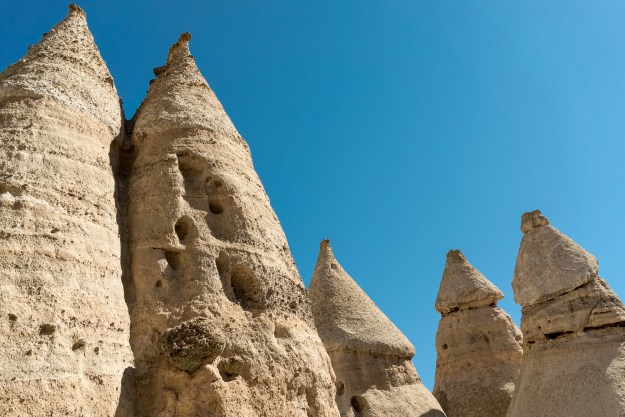
Kasha-Katuwe Tent Rocks National Monument in New Mexico, near Albuquerque and Santa Fe.

Sandstone hoodoos in Kasha-Katuwe Tent Rocks National Monument.
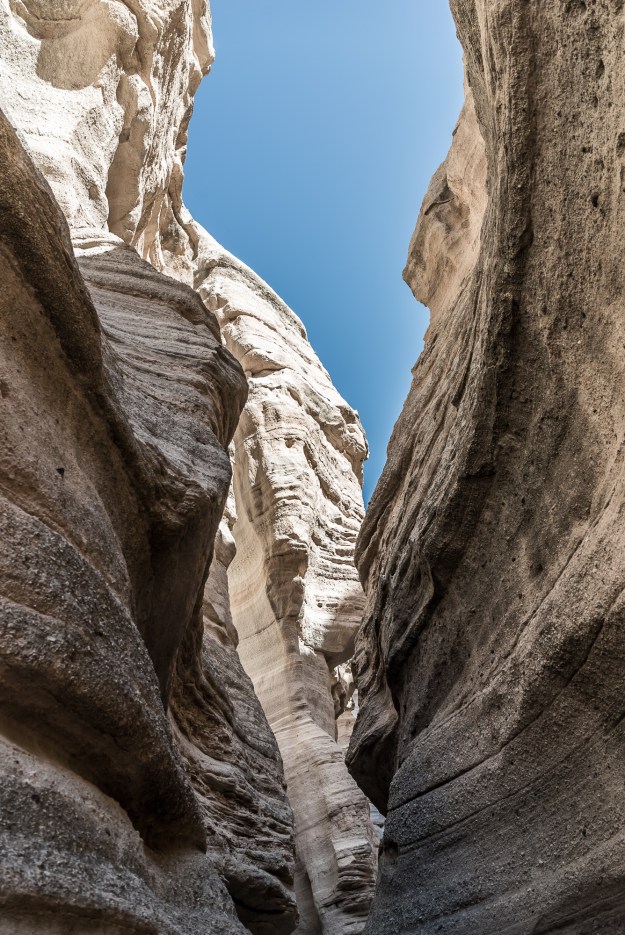
Kasha-Katuwe Tent Rocks National Monument in New Mexico, near Albuquerque and Santa Fe.

Slot canyon.

Kasha-Katuwe Tent Rocks National Monument in New Mexico, near Albuquerque and Santa Fe.

Kasha-Katuwe Tent Rocks National Monument in New Mexico, near Albuquerque and Santa Fe.

El Malpais National Monument

El Malpais translates to “the bad country.” The park has two branches which follow lava fields, which you can see easily on the satellite image of the park. Highway 117 traces the eastern edge and features sandstone bluffs, the second-largest natural arch in New Mexico, and lava fields. Highway 53 traces the west and features volcanic caves and ice caves, although many of the best features are reached only by dirt road. This weekend, I visited the sights along highway 117.

The Sandstone Bluffs Overlook area is great. The light and bright sandstone really stands out against the black fields of lava below. To the north, you can see Mt. Taylor, an inactive volcano. Dents in the sandstone, tinajas, are common on the bluff tops. Though it hadn’t rained much before we went, some still contained water and one had ice at midday.

La Ventana arch, just off the road, is the next stop south. This time of year, the north-facing arch seemed to be in shadow all day. I plan to visit again in April or May, when the light might be better but before the crushing summer heat.

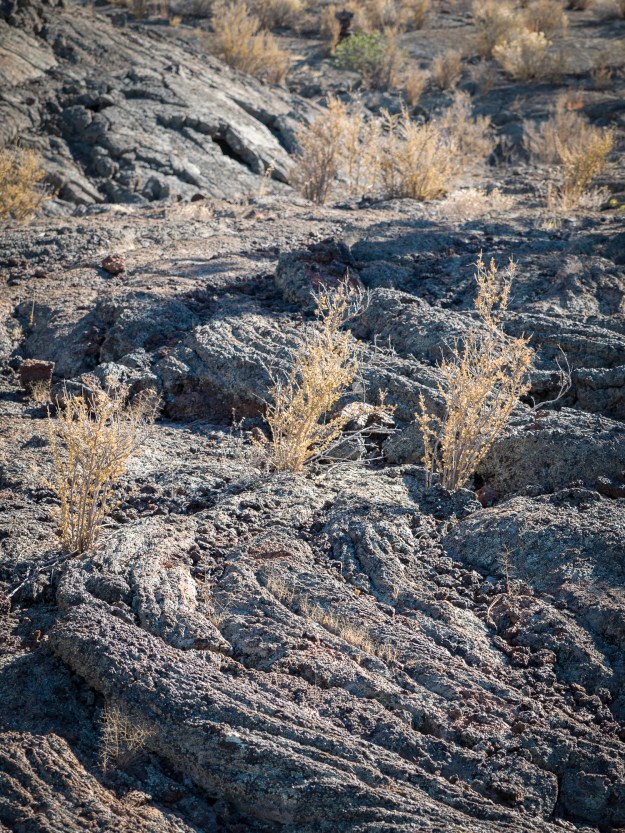
The last stop south is the Lava Falls Area, which features a 1 mile hike through Pahoehoe lava. This is smoother and easier underfoot than most of the lava in the park. The Lava Falls Area is only 3000 years old, extremely young in geological terms, and some of the youngest lava in the lower 48.

In mid November, crowds were no issue. We went on a nice November day and were quite comfortable, even with the altitude. In the Lava Falls Area, it was bordering on warm, with all that black stone everywhere. I suspect much of El Malpais would be unbearably hot in the summer. The dirt roads in the western part of the park are impassable with snow, so the best seasons for El Malpais are fall and late spring.
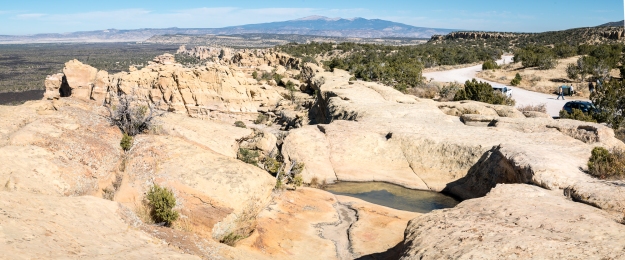
"A tinaja is a bedrock depression that fills with water during the summer monsoonal rains and when snowfall accumulates in the winter. These microhabitats spring to life when the baked-dry stone basins fill with seasonal water." -From the National Park Service El Malpais website. Sandstone Bluffs Overlook in El Malpais National Monument in western New Mexico.

A tinaja in the sandstone bluffs, looking north to Mount Taylor. Below to the left are the lava fields.
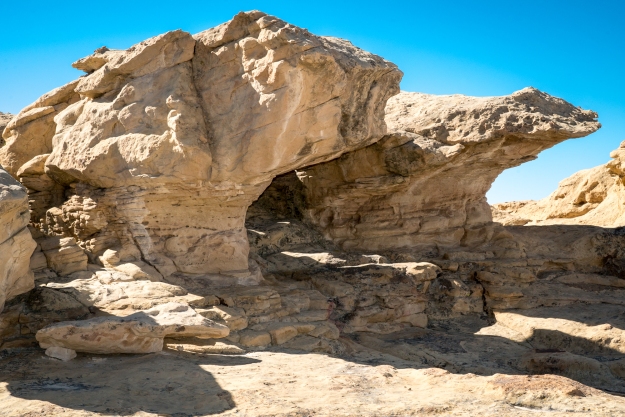
Sandstone formations at Sandstone Bluffs Overlook in El Malpais

Lava Falls Area at El Malpais National Monument in western New Mexico.

Lava Falls Area at El Malpais National Monument in western New Mexico. The lava here has several textures, but my favorite is this ropy, viscous one.

Petroglyph National Monument

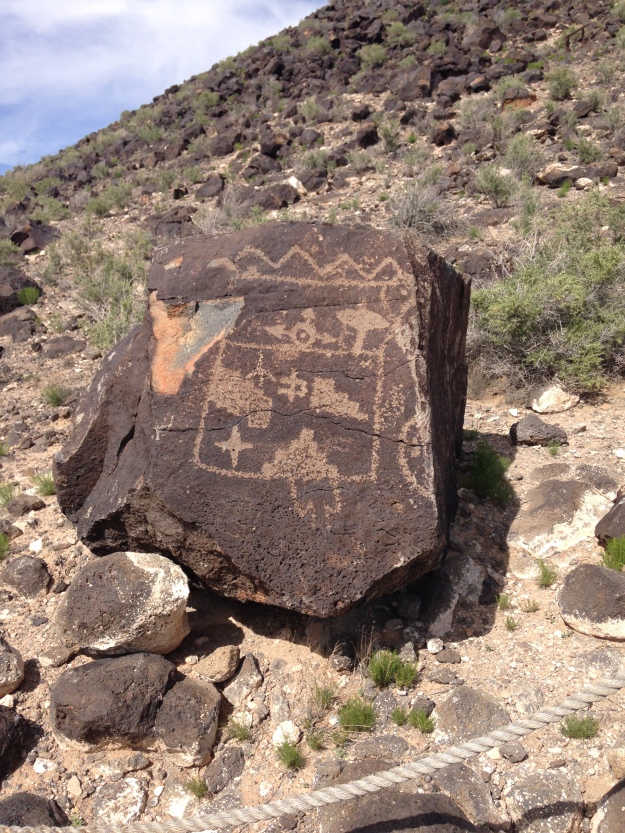
Petroglyph National Monument is on the west side of Albuquerque. I realize only now that I didn’t bring my DSLR camera on this trip, but the picture below shows even a cell phone can capture the petroglyphs well. There are three sites in Petroglyph, all easy to reach. The most popular site, Boca Negra, requires some uphill hiking. The two canyons supposedly require less. Like El Malpais, the rock is black and volcanic (though older), and it gets hot in the summer.

In Petroglyphs, you can visit the Three Sisters volcanoes on the western mesa. These three cinder cones are remarkably small, but due to their position atop the mesa are visible from the whole city. Hiking the Three Sisters is still on my to-do list, but I suspect the views back toward the city and the Sandia Mountains are pretty great.
IMG_0837

Petroglyph at Boca Negra site

Getting Lost in the Devil’s Garden

The sun was falling on the primitive trail of Devil’s Garden in Arches National Park in Utah. The sandy trail was damp from heavy rain the day before, but the sky was bright and blue above. The last traces of golden hour set the massive red rocks around us aflame. We could turn back and repeat the scrambling and climbing that brought us to our current place or we could go forward on the loop, which looked sandy and tame. We had read that the primitive trail was a 3.5 mile loop– we thought from the trailhead. Rather, it was from the main trail. So when we chose to keep going on the easy-looking sand, it was for several more miles than we bargained for.

The sun dimmed, and the sand yielded to climbing and rock scrambles. Arches rock is sandstone called slickrock. At Arches National Park, people crawl and climb over every arch and rock fin. It can be a challenge to photograph an arch without including some neon-clad idiot. So normally slickrock isn’t slick. But the rain-damped sand stuck to our shoes and acted as a lubricant, like sand on a shuffleboard table. We chose the sandy path because the rocky path to this point had been a challenge. And with even less chance of turning back, we were facing it again.

At one point, we slid down a 10 foot slope into some branches at the bottom. If you missed the branches, your slide would be longer and steeper. There were other shorter slides. It was like nature’s playground.

Then we came to a point where you must cross a ledge above a drop off. By ledge, I mean a slight bowing in the side of a rock fin. Twilight was setting in. My husband scooted across and warned me that the ledge was slick. I sat down and scooted, my camera bag bulging over the drop, skewing my center of balance. I inched along. My foot slipped. I darted forward, not at all steady. I was across the ledge. I looked back. If I had slipped, I would have slid rather than fallen, but down a 20 foot, 60 degree incline with prickly trees at the bottom. I imagined myself trapped in back country with a twisted ankle and no food and water for a night. It seemed less like a playground then.

Night fell. Thankfully, it was a clear night with a bright moon; our only other lights were the flashlights on our iPhones. There were more scrambles, though none as bad as the ledge. The trail was marked with small piles of rocks.

At one point, we missed a pile marking. We turned down a canyon. It was easy and first, and covered with footprints, a good sign. But it grew narrower and rockier, and the footsteps disappeared. I slipped and banged my camera bag. Yesterday, I discovered that I dislodged the front glass piece on my favorite lens with that jolt. Humph.

The canyon ahead was even narrower, and we wondered when we last saw a rock pile. We back-tracked. At the entrance to the canyon, we saw the rock pile. We had been lost, but we were back. Unfortunately, the marker lay beyond a massive puddle. At least in back country Arches, we were pretty confident that there wasn’t much living in that red muddy murk. The puddle was surrounded by steep rock–we hoped it wasn’t too deep, opaque as it was. Tree branches poked up from the water. We hoped they were sitting on the bottom rather than floating, but it was hard to tell. We tried to scoot around the periphery. My husband slipped. The water was up to his knees. We waded through, grateful it was that shallow.

Finally, the trail settled down, and we walked through a grassy prairie. The stars came out; the milky way stretched over red rocks and prairie. Here and there, a shooting star flashed. We walked stiffly back to the main trail. Then we drove to Moab and got sushi, a bit more sandy than usual, our shoes still squishing with water. It was a victory meal.

It was a good adventure. We didn’t slip or fall and the pictures turned out beautifully. Next time I’ll be more careful reading the distance markings, though, and respect slickrock after rain. The rest of my shots from that day are on Flickr. Other than my pitfalls, mostly caused by my lack of caution, I’d highly recommend this hike. I felt very wild and saw such beautiful things.

The view after all that twilight struggle, a hand-held star shot. A pretty delightful reward.

The view after all that twilight struggle, a hand-held star shot. A pretty delightful reward.

Fins of red rock. Later we got a little lost amongst all those massive parallel slabs.

Fins of red rock. Later we got a little lost amongst all those massive parallel slabs.

Amongst the red fins.

Amongst the red fins.

Partition Arch in Devil's Garden.

Partition Arch in Devil’s Garden.

The red rock fins and the La Sal Mountains. Though I didn't love the night hike, I'm so glad for the gorgeous golden hour shots I got.

The red rock fins and the La Sal Mountains. Though I didn’t love the night hike, I’m so glad for the gorgeous golden hour shots I got.

Double O Arch, just before we went off onto the primitive trail. I'm so glad I got to see it in such a beautiful state.

Double O Arch, just before we went off onto the primitive trail. I’m so glad I got to see it in such a beautiful state.

Golden hour play!

Golden hour play!

A million views and a thousand balloons

Early this morning, my Flickr page crossed over the one million views threshold. Which is pretty exciting! I started my Flickr page almost exactly eight years ago, just after I got my first DSLR. Since then, I’ve taken a lot of pictures and learned a ton, and had a blast doing it.

million views

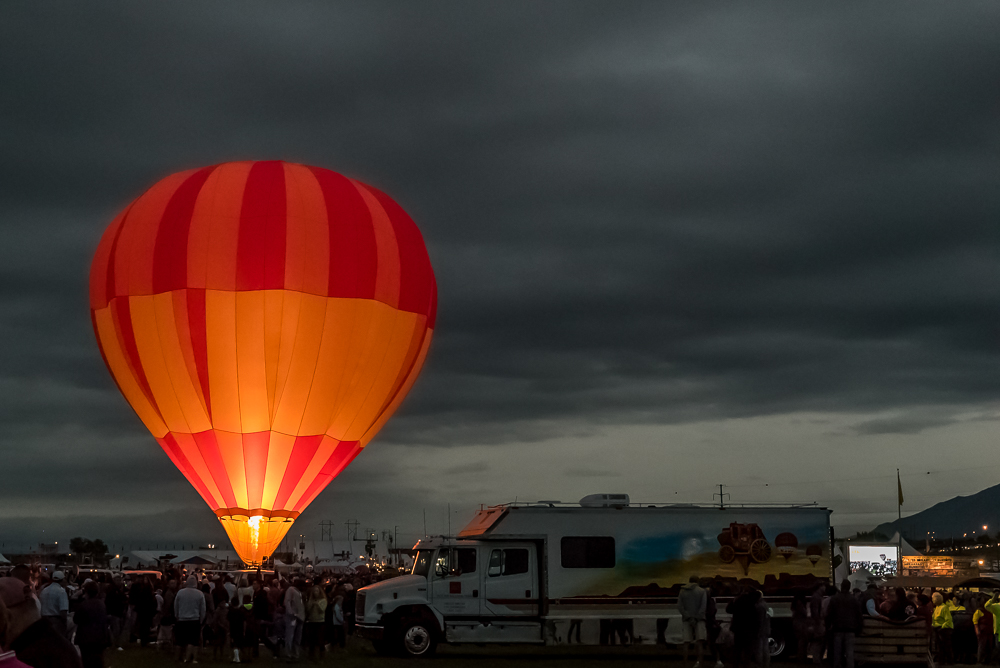
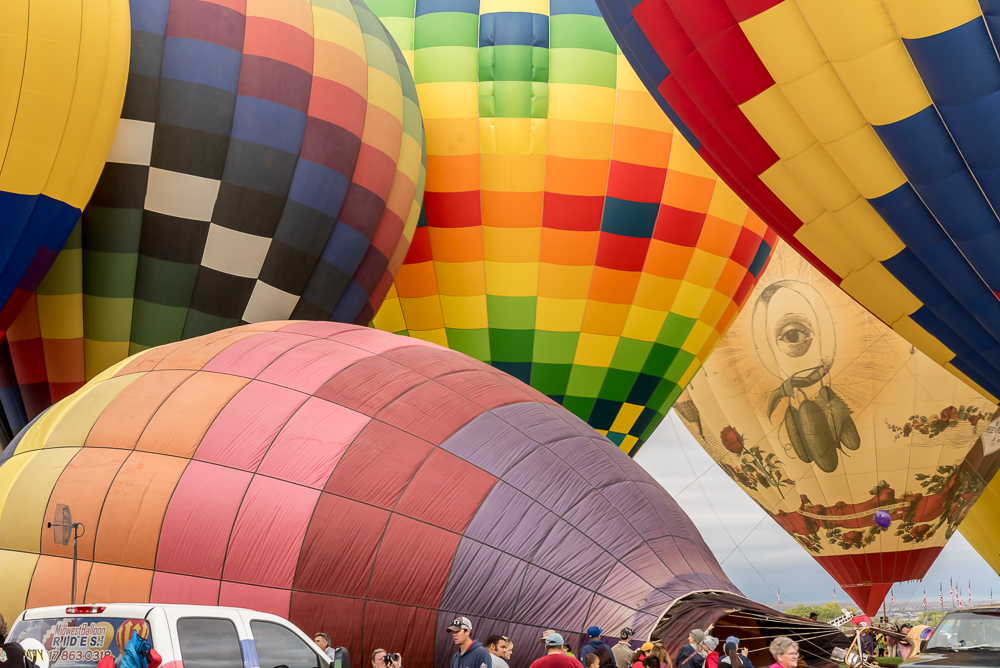
And early yesterday morning, I biked to the Albuquerque International Balloon Fiesta, one of the biggest hot air balloon gatherings in the world. It. Was. Amazing. The bike ride, the balloons, the launches, EVERYTHING. It was one of the most fun things I’ve done, and easily one of most exciting things to photograph. I took about 1500 photos (though a lot of them were duplicates to hedge my exposure bets). It’s been a wonderful weekend!

151004-balloons-00001 151004-balloons-00652 151004-balloons-2586 151004-balloons-2601

Exploring Albuquerque

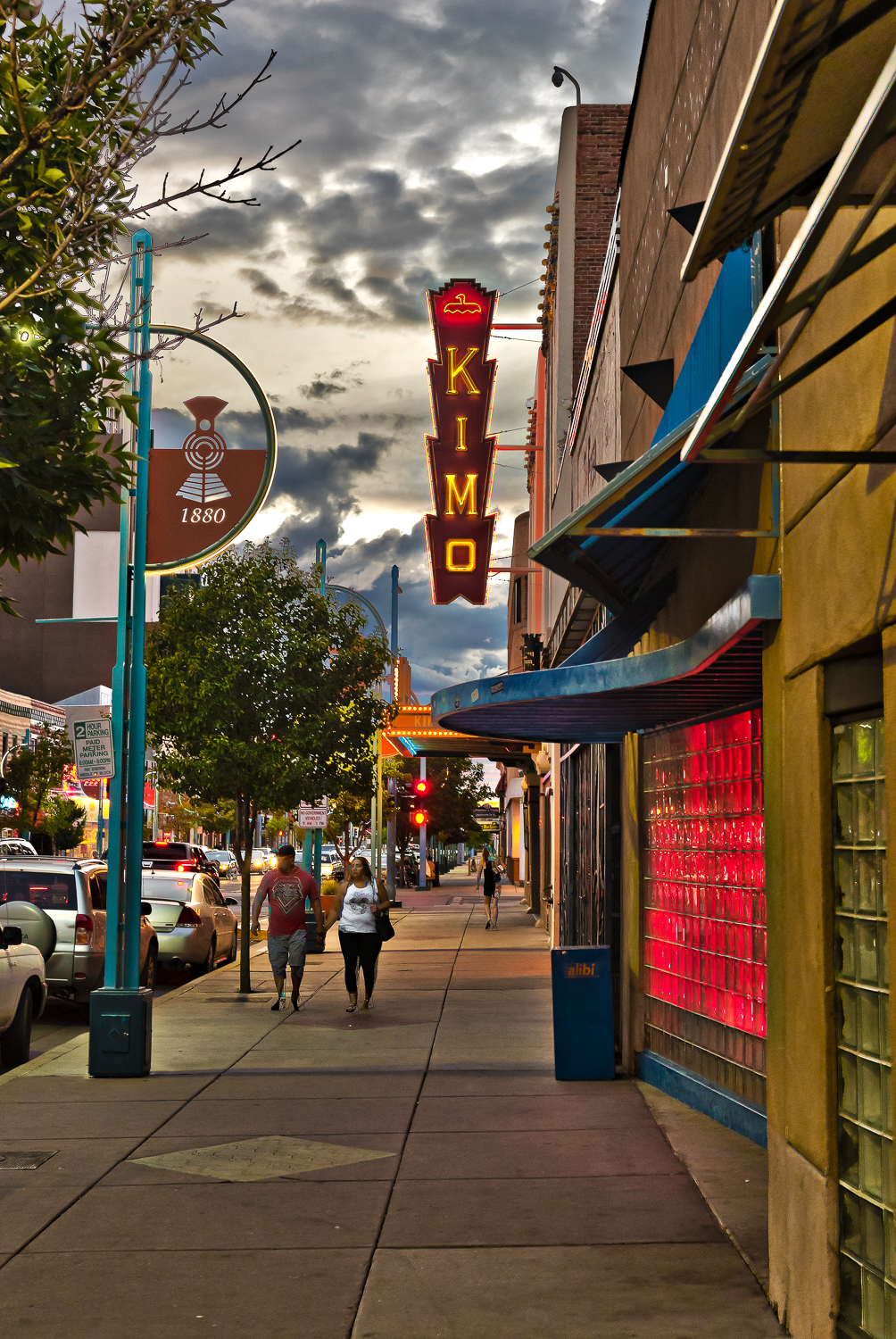
Albuquerque’s a great place to explore with a camera. The weather’s cooperative, mostly, with consistent lighting and low humidity. There’s a great balance of industry and nature, gaudy and dilapidated, geometric and organic. There aren’t many trees, so there are more opportunities for sweeping vistas, often punctuated by mountains or volcanoes. There’s even a great chance you’ll catch something awesome in the sky, be it a flyover from the air force base or a hot air balloon. So this weekend I explored Albuquerque–not the surrounding area– on a photo tour.

150906-downtown-abq-0041

Playful editing on Route 66. A vintage car in from the Pueblo Deco style Kimo Theater.

150906-abq-railyards-0249

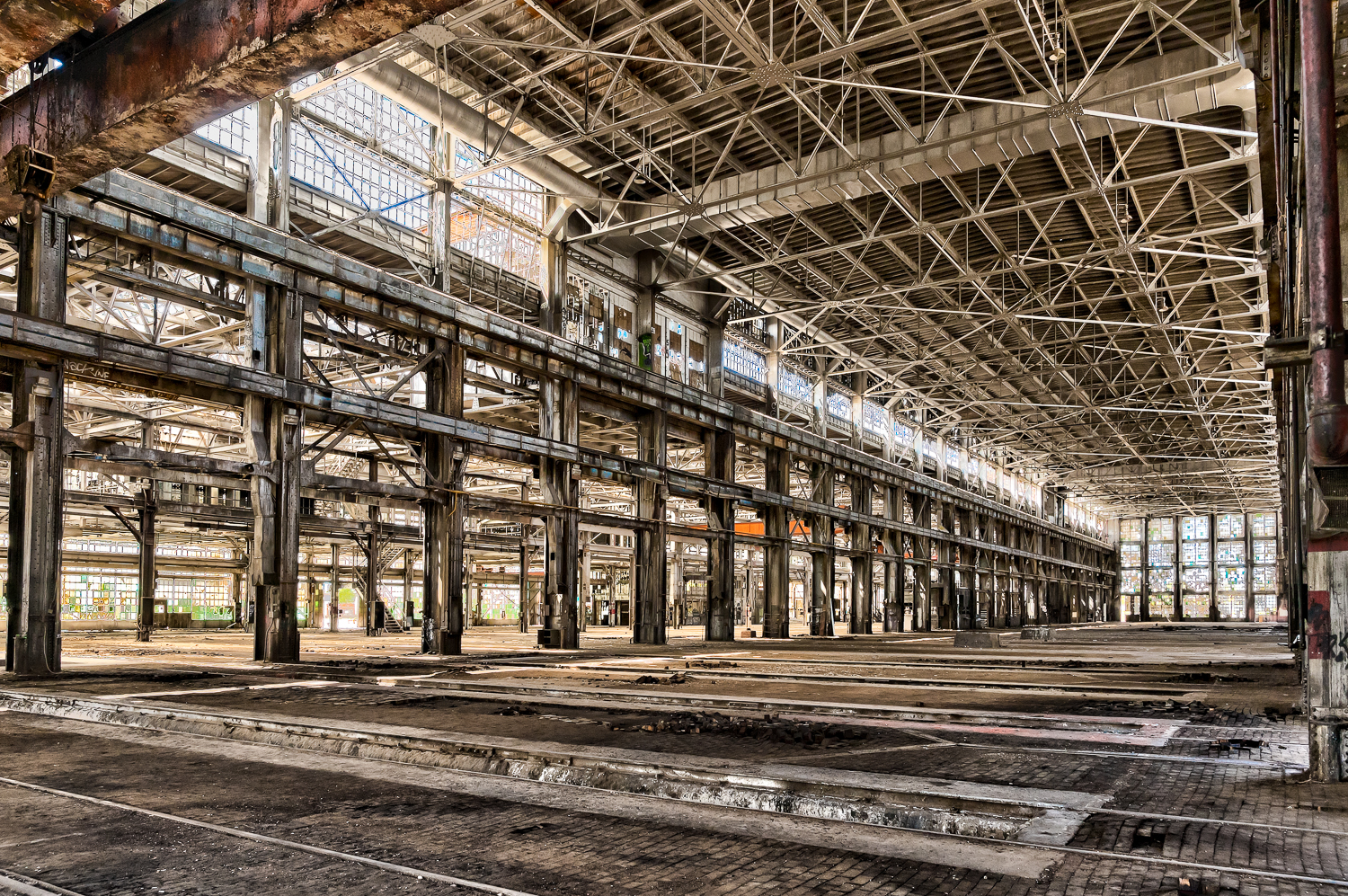
Abandoned buildings in the Albuquerque railyards, which once employed 40% of the city. Part of it now hosts a Sunday market.

150906-abq-railyards-0251-edit-1936

A look inside an abandoned building in the ABQ railyards. 5 exposures merged via HDR process.

150906-downtown-abq-0051

Cruising on Route 66 in downtown ABQ. A vintage car in from the Pueblo Deco style Kimo Theater. The vintage car drivers are very cooperative and slow down a little when they see the lens. ABQ has a lot of great vintage cars.

150906-downtown-abq-0084-edit-2005

HDR sunset in downtown ABQ on Route 66.

150906-downtown-abq-0139-edit-2043

Cruising on Route 66 in downtown Albuquerque at sunset.

150906-downtown-abq-0171-edit-2059

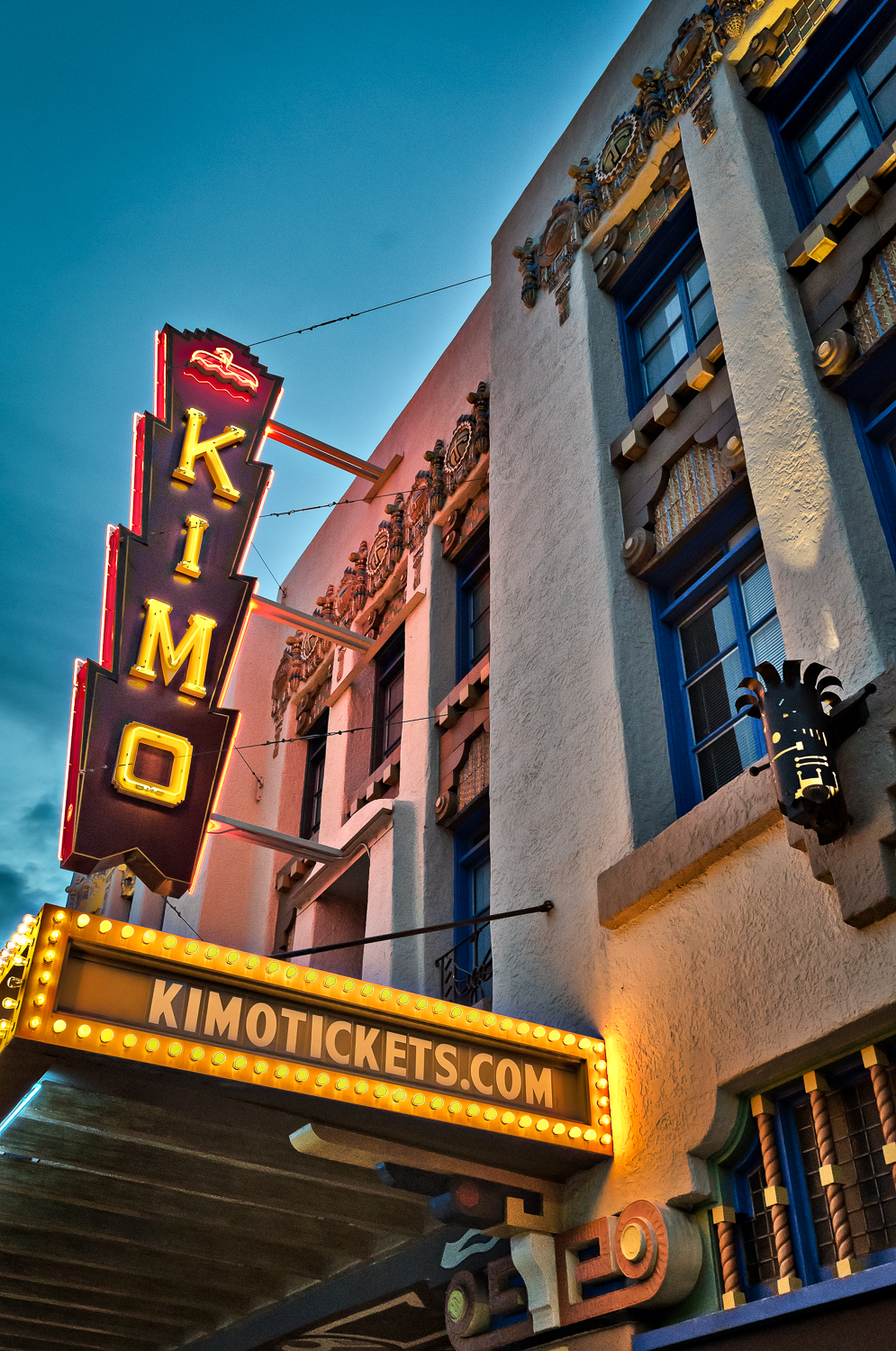
The Kimo Theater marquis and the neon lights emerging at sunset in downtown Albuquerque on Route 66.

150906-downtown-abq-0196-edit-2079

The Deco Pueblo style Kimo Theater

150906-downtown-abq-0248-edit-2114

The Launchpad concert venue in downtown Albuquerque.

150906-fireworks-0072-edit-1986

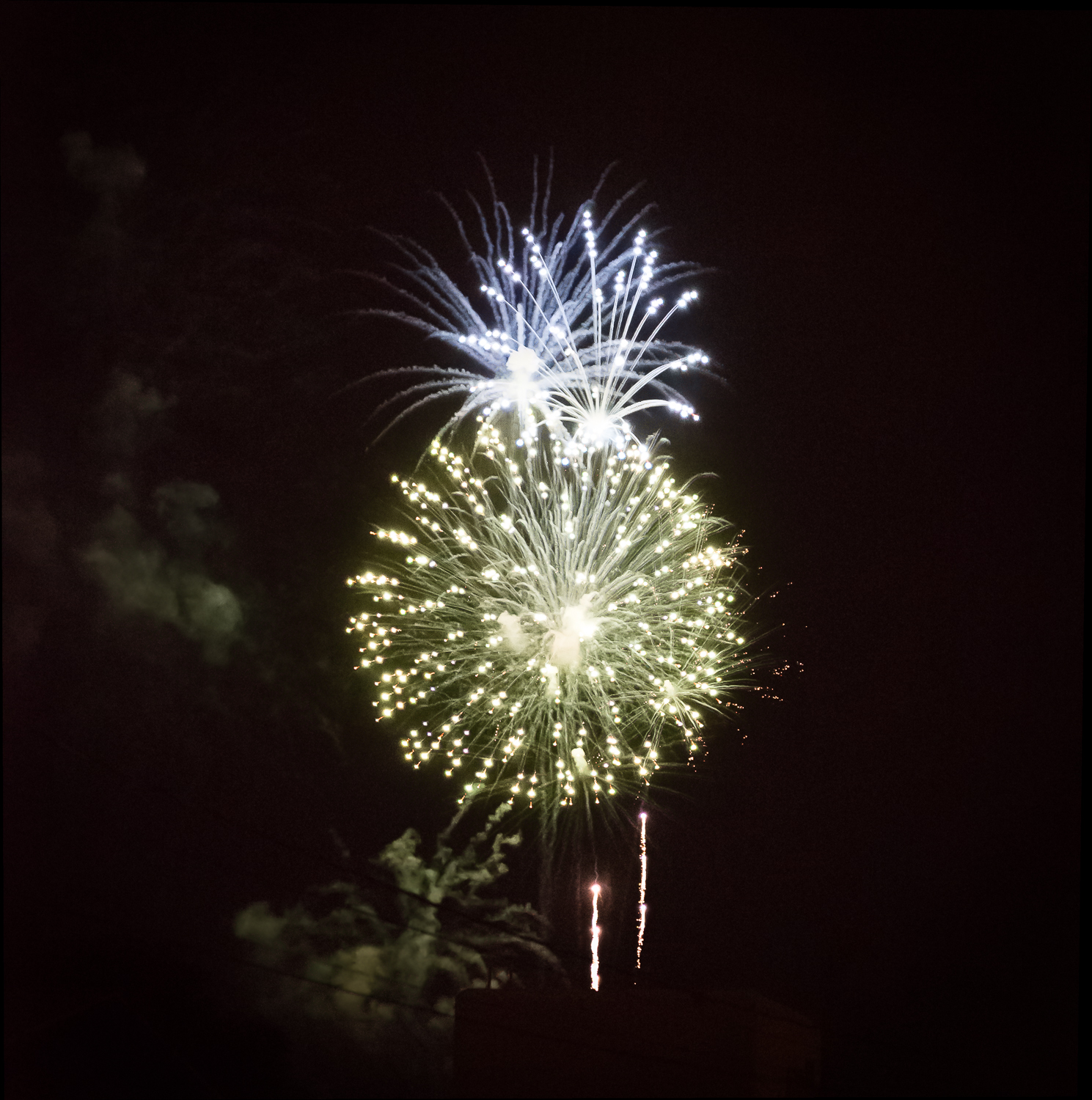
Labor Day fireworks. Photomerge of 8-ish images, because why not?

150906-fireworks-0109-edit-1972

Photography prompt: Photographing light

A couple of months ago, I did some photography prompts. Recently, I reviewed these photos and was pleasantly surprised how much I still liked them. I took photos I wouldn’t normally take, and saw new things.

Now that I’m in a new place, paradoxically I am short on photo inspiration. Everything is so interesting that it can be hard to zero in, especially when work, grocery stores, bars, and walking paths are new forms of shiny distractions. So today I’m posting one of my prior photography prompts, and I hope to continue with more in the future.

Today’s prompt is “photographing light”. This is not the same as photographing shadows cast by light, it is photographing the light itself. I got this prompt from the Lynda.com photographic composition course by Ben Long. I took these pictures on the Downtown Mall in Charlottesville in the early evening, not quite at golden hour, but late enough in the day that the windows were casting reflections in interesting places.

150423-seelight-0001

In this picture, I liked the way the reflections from different buildings interacted, and how they contrasted with the brick pattern.

150423-seelight-0002

In this photo, the windows from across the street are reflecting light onto shadowed windows. The reflections allow you to see shapes in the windows that you couldn’t see by looking at them directly, plus the contrast simply pleases me.

150423-seelight-0003

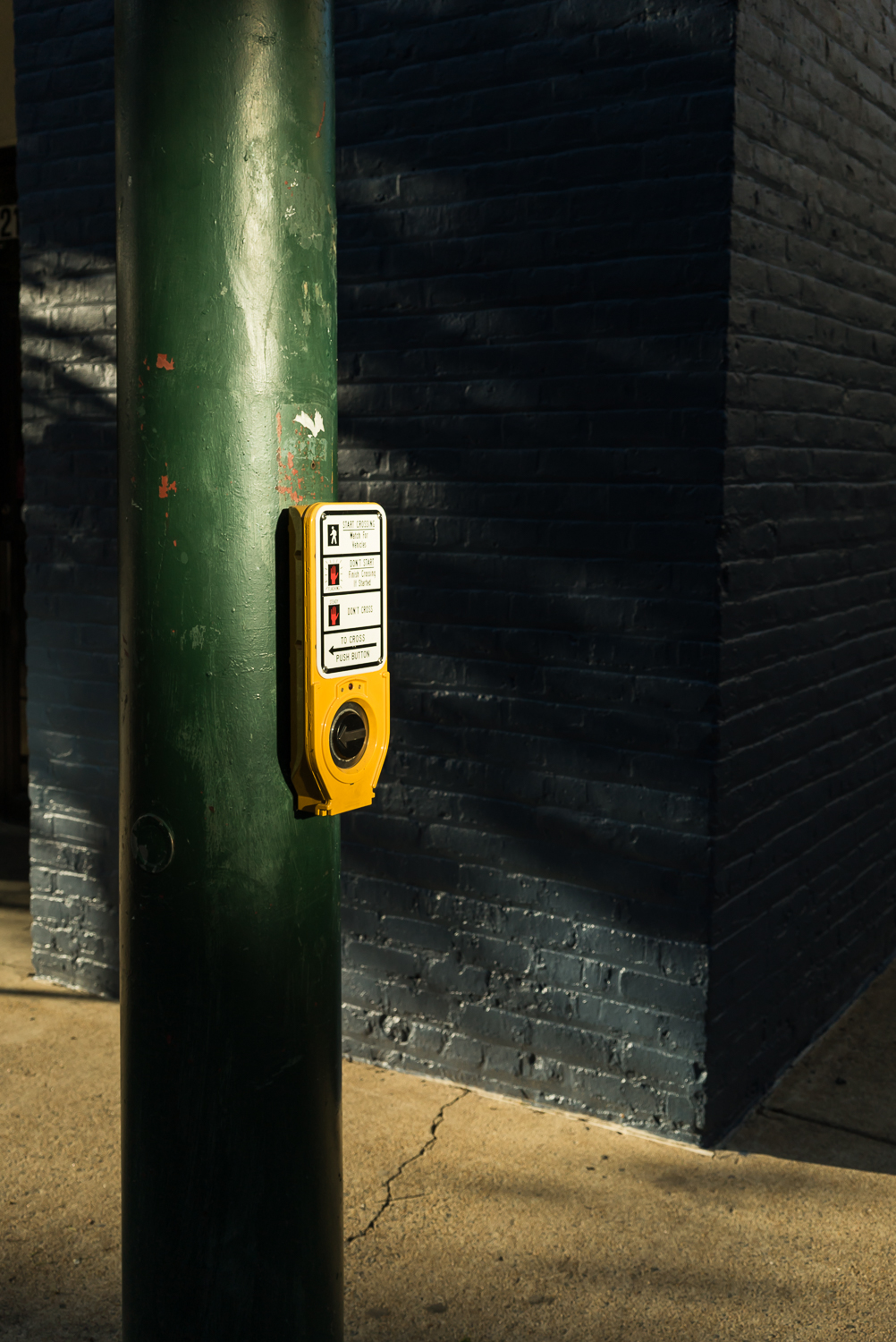
A distant window cast light onto this crosswalk aid. I almost ignored it, as one does with crosswalks one does not need, but with this small and brilliant beam of light, the guide suddenly was radiant. I loved the simple colors in this one, turning it b+w would have stripped it of so much.

World Pinhole Photography Day

Did you know that a pinhole can focus and project light? A pinhole in an opaque material is the world’s simplest camera! Yesterday was World Pinhole Photography Day.

History

The discovery of pinhole optics massively predates photography (the act of chemically recording a projected image). During the Renaissance, painters traced scenes projected onto a canvas by a pinhole on the opposite wall. The use of a pinhole to project images goes back to 5th century BC China.

A camera obscura uses a pinhole to project an image. Renaissance painters could then trace these images. (image source: Wikipedia)

Why Pinholes?

In an age of digital cameras and high-end optics, the pinhole endures, charming and simple.  In honor of World Pinhole Photography Day, I went on a pinhole outing.

You might ask, what is the point of pinhole photography in this day and age? There are aesthetic and practical reasons. I like knowing exactly how my lens works, for once. Even a prime lens can have upwards of a dozen pieces of glass in it. I have a good science background, and I can’t even touch that level of optics. A hole in black plastic. I get that. Pinholes have interesting properties. True, they don’t focus nearly as sharply as lenses. But because pinholes have such small apertures, they have nearly infinite focal depth.

Brief photography lesson: larger openings (apertures) allow more light and create shallow ranges of focus. This can be desirable in a portrait. Small openings permit less light and increase range of focus. This might be preferable for a landscape. Sufficiently small openings cause softening due to diffraction (physics of light stuff). If you shoot on an SLR, you may have noticed diffraction-caused softening on shots at f/22. The pinhole I use is f/177. This diffraction is what gives pinhole photos their texture.

The upshot: pinhole photos flatten a scene. Something a yard away will look similar to something 100 yards away. This allows a photographer to create interactions between different depths that wouldn’t be possible with a conventional lens. And finally, pinholes can create a really fun old-timey effect.

My setup

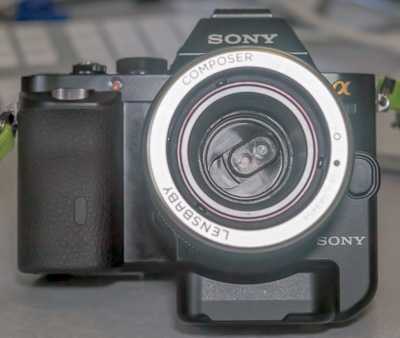
My setup is a bit like sticking a horse-drawn carriage on a rocket ship. I use a Lensbaby composer with the pinhole optics kit. My camera is a Sony Alpha 7s. Pinhole photography, due to the tiny amount of light transmitted, has slow exposure time. Exposures are often measured in multiple seconds. The Sony Alpha 7s is one of the fastest consumer cameras in the industry, with a maximum ISO of 409600. Thus, I was able to take decent handheld pinhole images even in low light by using high ISO.

Lenbaby pinhole on Sony Alpha 7s.

Lensbaby pinhole on Sony Alpha 7s.

The Images!

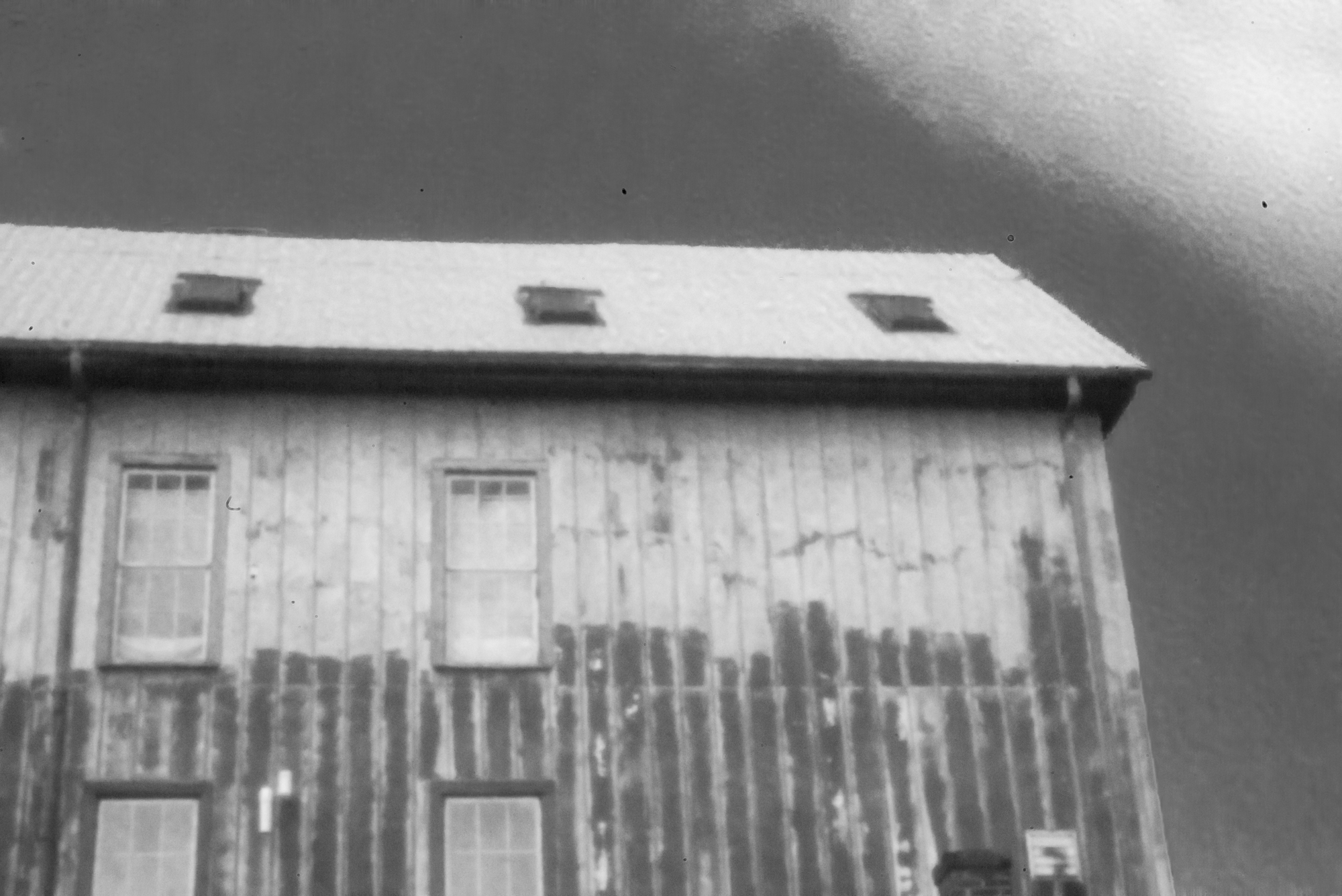
ISO 409,600, 1/6 second exposure. No tripod. Indoor shot on a rainy day.

ISO 409,600, 1/6 second exposure. No tripod. Indoor shot on a rainy day.

ISO 20,000; 1/60 sec.

ISO 20,000; 1/60 sec.

ISO 80,000; 1/60 sec.

ISO 80,000; 1/60 sec.

ISO 12,800; 1/60 sec.

ISO 12,800; 1/60 sec.

ISO 16,000, 1/60 second exposure.

ISO 16,000, 1/60 second exposure.

ISO 160,000, 1/10 second exposure. Indoor shot on a rainy day.

ISO 160,000, 1/10 second exposure. Indoor shot on a rainy day. I love how it looks like a 40s cheesecake shot.

The Cherry Blossom Festival in Washington DC

Though I’ve lived in Virginia for seven years and I love to photograph flowers, I had never been to Washington DC’s Cherry Blossom Festival. I fixed that on Sunday. Since then, I’ve been working to transfer, organize and edit my 860 photos. Then my primary computer crashed in a fiery blaze, and will require repairs. But I could pull off some of the work and my favorites are below. The tidal basin in DC is lined with 2000 cherry trees, and they were all at their absolute peak Sunday. It was one of the most beautiful days I’ve ever enjoyed. It was packed with people, which I usually hate but Sunday they didn’t matter.

Check out full size images as well as several enormous panoramas here.

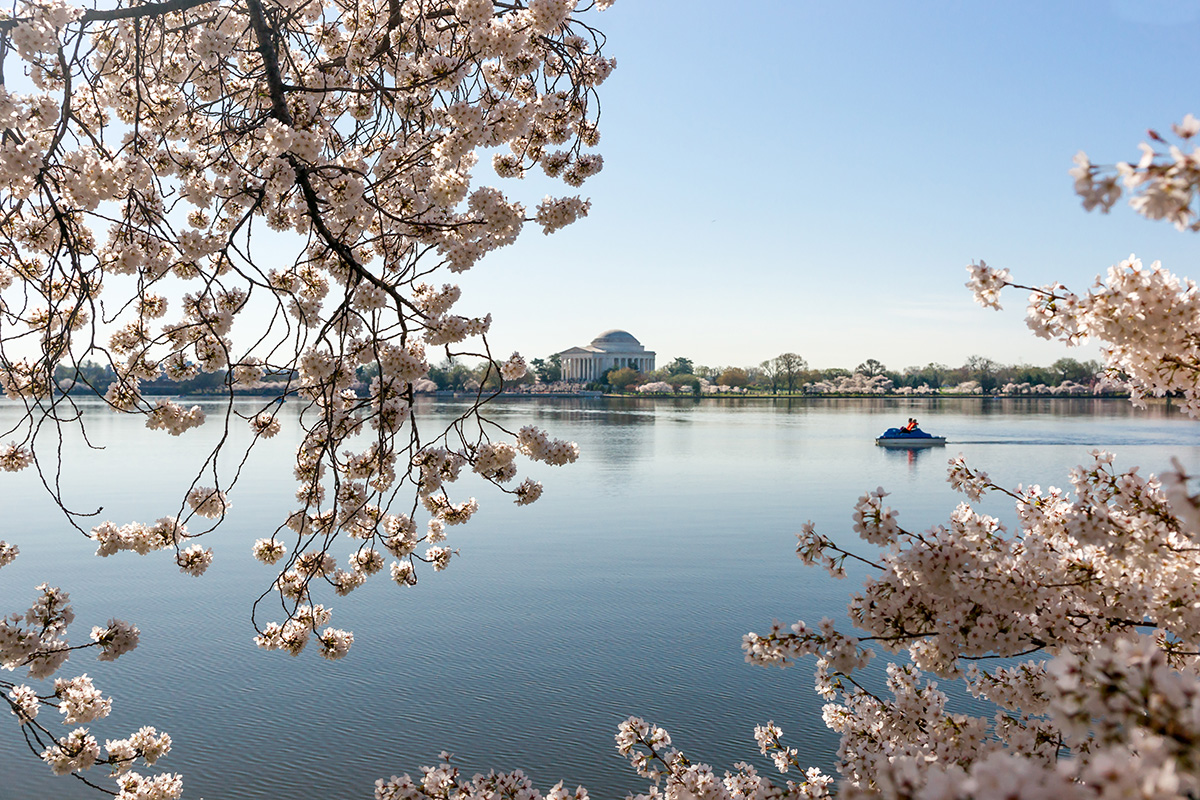
Cherry Blossom Festival in Washington DC. Taken on April 12, 2015.

Jefferson Memorial & Cherry Blossoms. Combination of two images with focus stacking.

Cherry Blossom Festival in Washington DC. Taken on April 12, 2015.

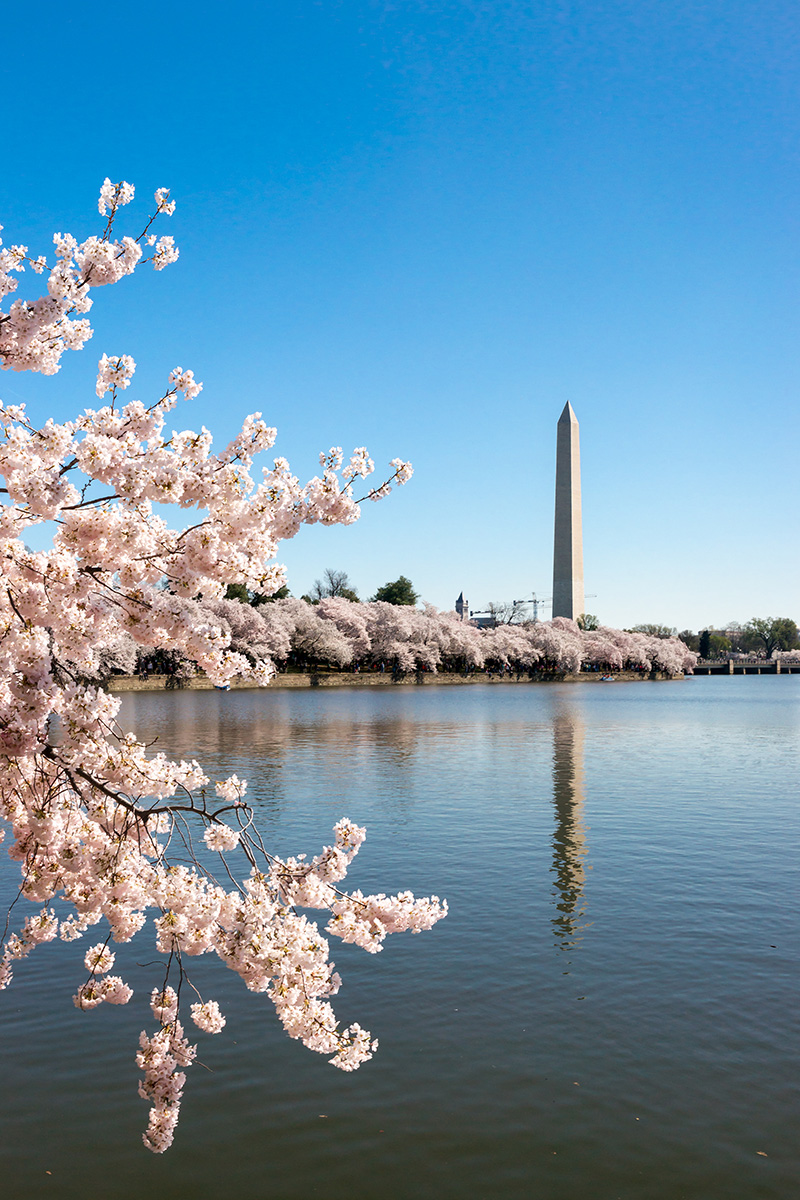
The Washington Monument & Cherry Blossoms.

Cherry Blossom Festival in Washington DC. Taken on April 12, 2015.

Jefferson Memorial & Cherry Blossoms

Cherry Blossom Festival in Washington DC. Taken on April 12, 2015.

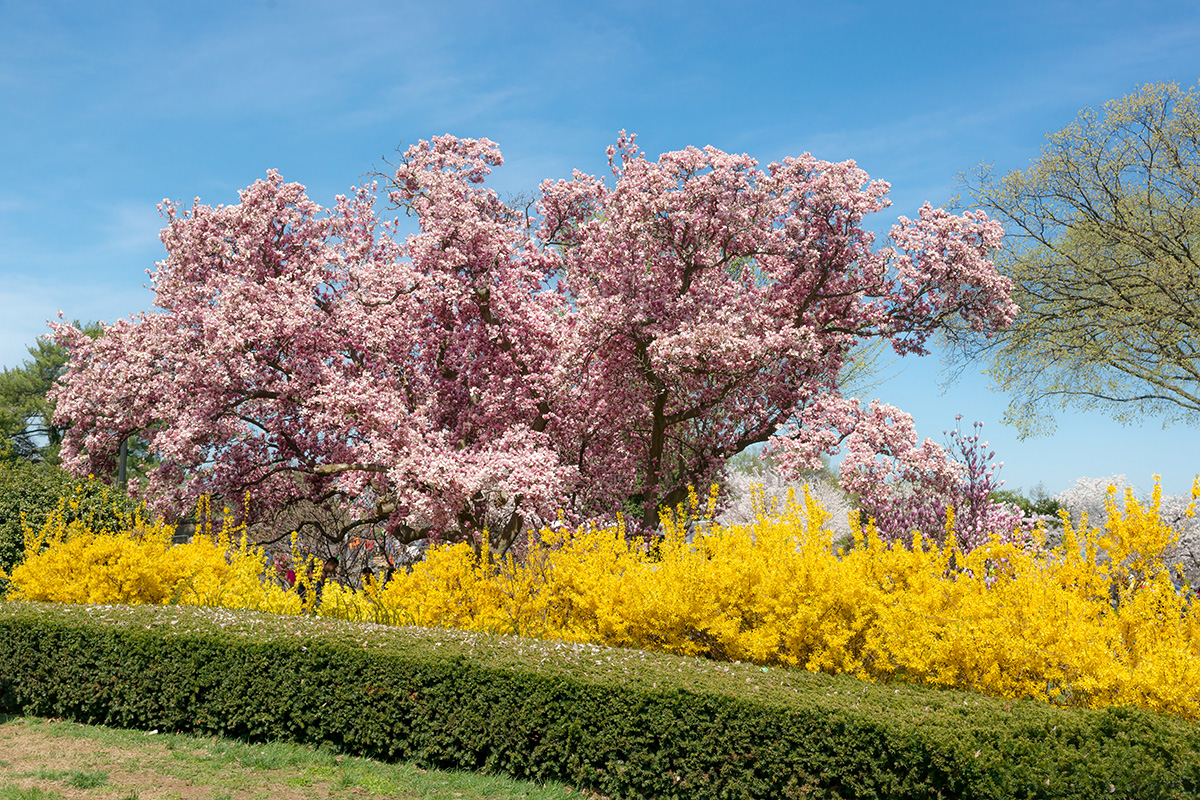
Flowers at the George Mason Memorial

Cherry Blossom Festival in Washington DC. Taken on April 12, 2015.

The Washington Monument & Cherry Blossoms

Cherry Blossom Festival in Washington DC. Taken on April 12, 2015.

Macro photography methods: early spring blooms

Here in Virginia, spring is just beginning, and most of the signs of it are small and close to the ground. This spring, I decided to zoom in on that small world. Macro photography can be expensive, but it doesn’t have to be. For my photos, I used a 100 mm macro lens, some extension tubes to cut the minimum focal distance, and a kick light for illumination. If you don’t have a macro lens, you can also get great macro images using any lens with reverse lens macro. I used reverse lens macro to capture the image below.

Resistors with reverse macro

While I waited for a warm day, I practiced indoors. Below is an image of a civil war token lit with a kick light. Kick lights are great– they are small and bright, and you can couple them to your smart phone to control the color of the light. I chose blue here, thinking it might complement the copper tones of the coin.

Token the size of a penny. Lit using a kick light set to blue light.

Token the size of a penny. Lit using a kick light set to blue light.

In another exercise, I went to the kitchen and took pictures next to the window. This way I could think about natural light without dealing with the more trying aspects of nature like wind and the lack of convenient countertops.

A bottle cap in macro.

A bottle cap in macro.

Finally I got a nice day. My first subject was a lenten rose. Viewed from above, these early bloomers look more like shrubs than flowers. Only from below do you see what pretty flowers they are. Which means getting underneath a shrub-height flower.

I used a kick light to pull up the deep shadows in the middle of the flower. A gorilla pod (a simple $10 mini-tripod/flexible grip sort of thing) let me get the kick light where I needed it. After some trial and error (and some laying in the dirt and cursing the glare on my view screen while simultaneously really appreciating the view screen since my older camera doesn’t have one), I got this image below. With the aperture set to f11, the depth of field is good. A few of the stamen are out of focus, and I wonder if another stop or two would have captured them. I didn’t notice them while I was taking the image. Still, pretty pleased with this image.

A lenten rose in macro, lit from beneath with a kick light.

A lenten rose in macro, lit from beneath with a kick light.

Next I found some scilla. These flowers are electrically blue, but they are dinky. Each flower below is about the size of a penny. They were growing in deep shadow, so again I used the kick light, this time more to achieve the contrast and the white balance I wanted.

Scilla flowers in macro.

Scilla flowers in macro.

Later, I found some moss growing on a brick. For this image, I used my extension tubes. They cut the light, but they allow great and affordable zoom. This was in full sun, so I didn’t need the kick light. I find this image slightly creepy, like those tendrils are going to grow into the pine cone and consume it. Here the aperture is f4– this was for effect rather than for exposure.

Moss and pine cone on a brick in macro.

Moss and pine cone on a brick in macro.

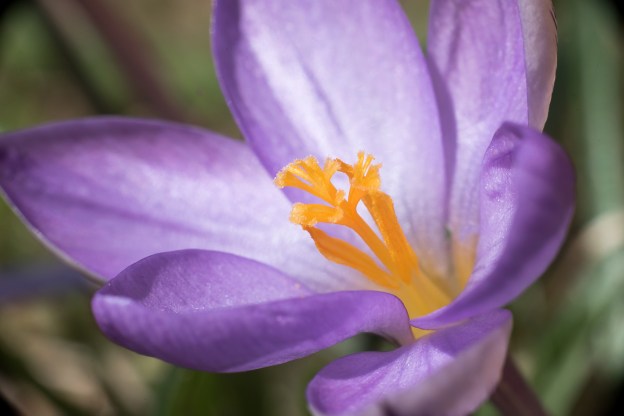
And finally, my favorite image of the day, a lovely purple crocus. This shot was just a matter of playing with angles and trying to stay in focus. Happy spring, everyone!

Crocus in macro.

Crocus in macro.

Pittsburgh’s transcendent Cathedral of Learning

There is a gothic skyscraper on the University of Pittsburgh campus called the Cathedral of Learning. It’s a beautiful building that does indeed resemble a vertically stretched cathedral. But inside are 29 nationality rooms that are even more astounding. Each one is themed around a different nationality (or culture, in the case of some like the African Heritage Classroom or the Israel Heritage Classroom). The oldest were dedicated in 1938, and the newest was dedicated in 2012. Each room is a highly detailed presentation of the culture of its country, down to the light switch panels, lights, and chair backs. Most are designed by architects of the country and decorated by artists of the country. And they’re all incredibly beautiful.

I visited the cathedral about a year ago now, but I’m still enthralled by it. I wrote about it then too. But recently I was editing my pictures from my visit, which gave me an excuse to post about it again. Check out the photos below, or the hundred full-res images I posted as creative commons works on Flickr.

The Ukrainian Classroom, dedicated in 1990.

The Ukrainian Classroom, dedicated in 1990.

The Turkish Classroom, dedicated in 2012.

The Turkish Classroom, dedicated in 2012.

The Israel Heritage Classroom, dedicated in 1987.

The Israel Heritage Classroom, dedicated in 1987.

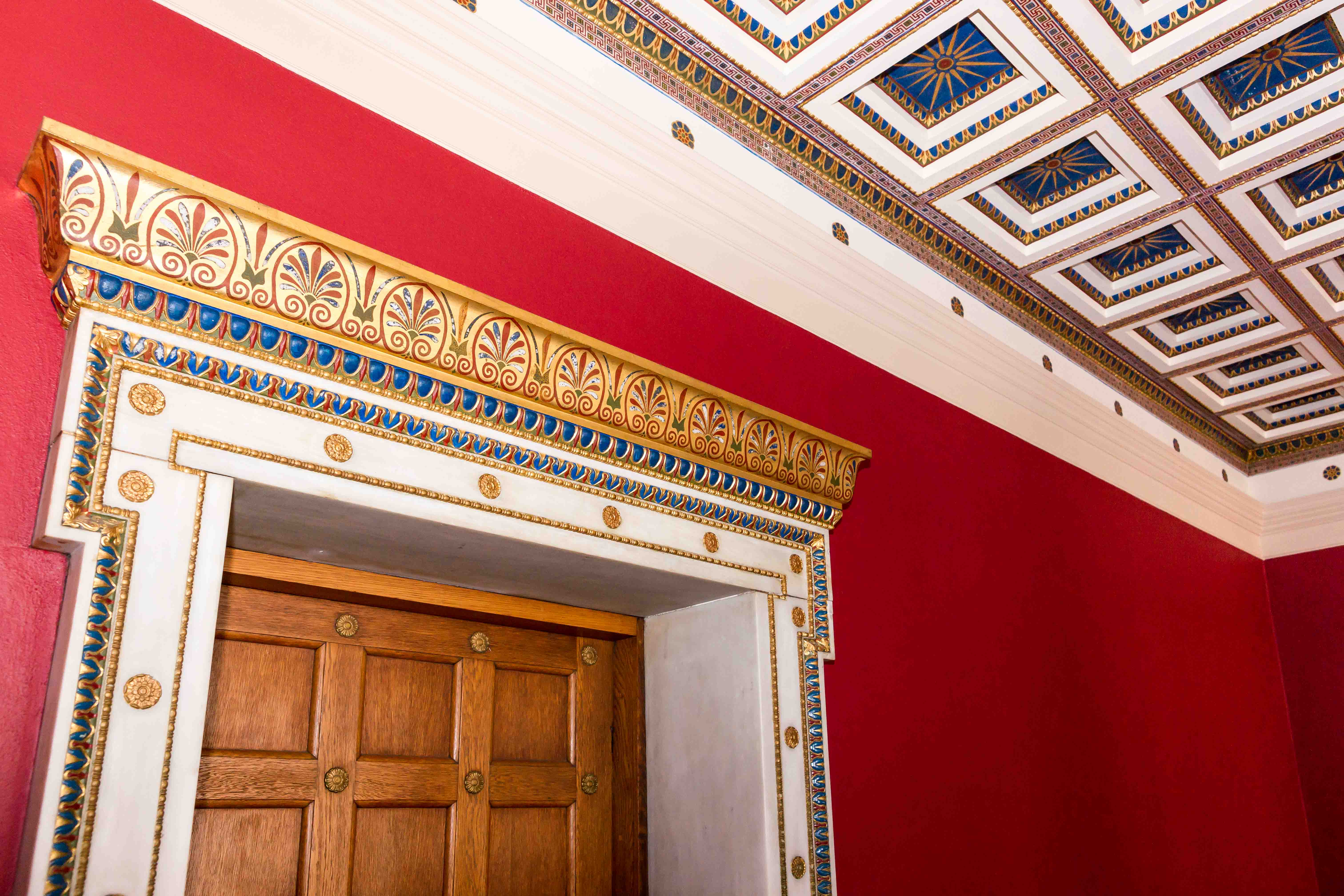
The Greek Classroom, dedicated in 1941.

The Greek Classroom, dedicated in 1941.

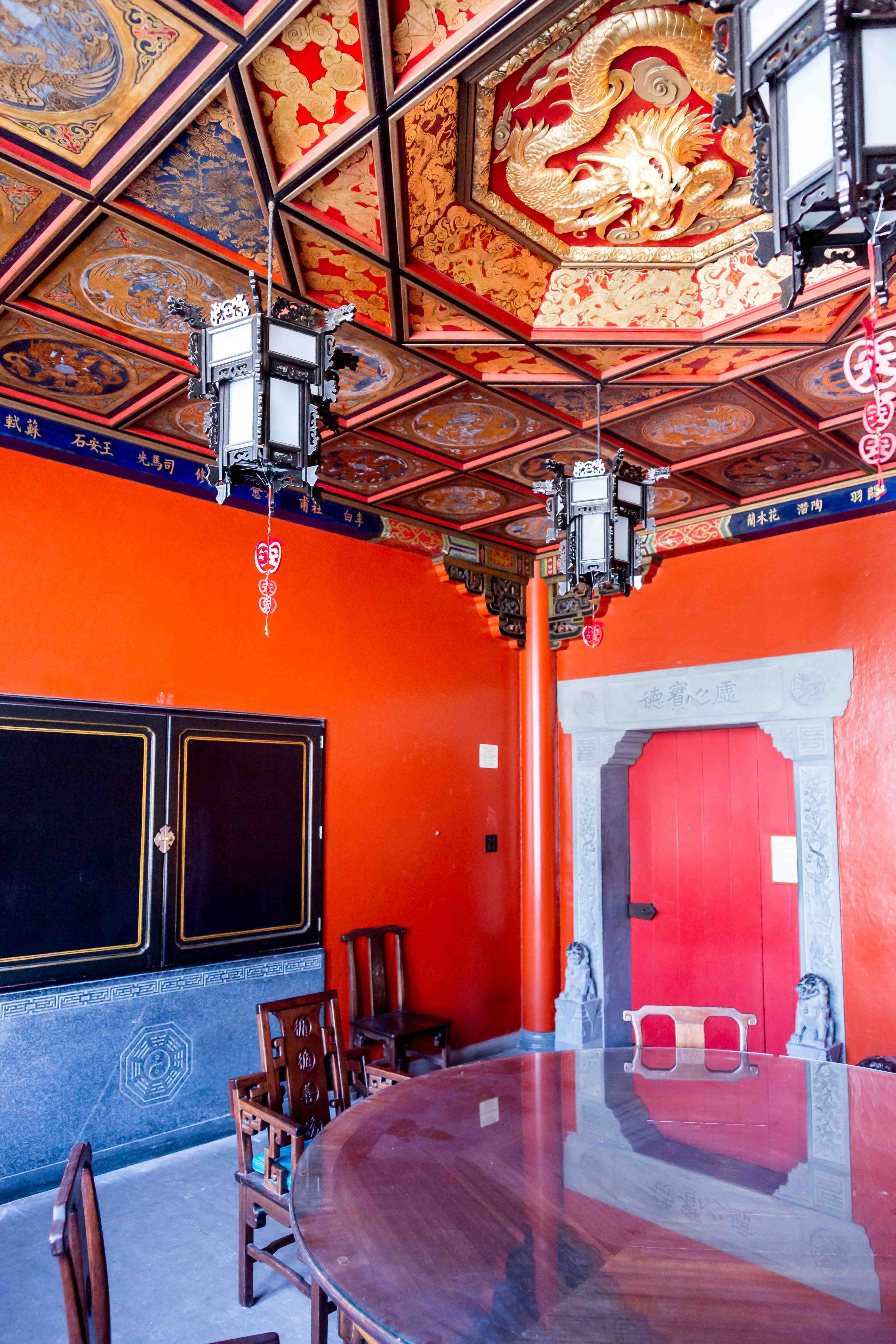
The Chinese Classroom, dedicated in 1939.

The Chinese Classroom, dedicated in 1939.

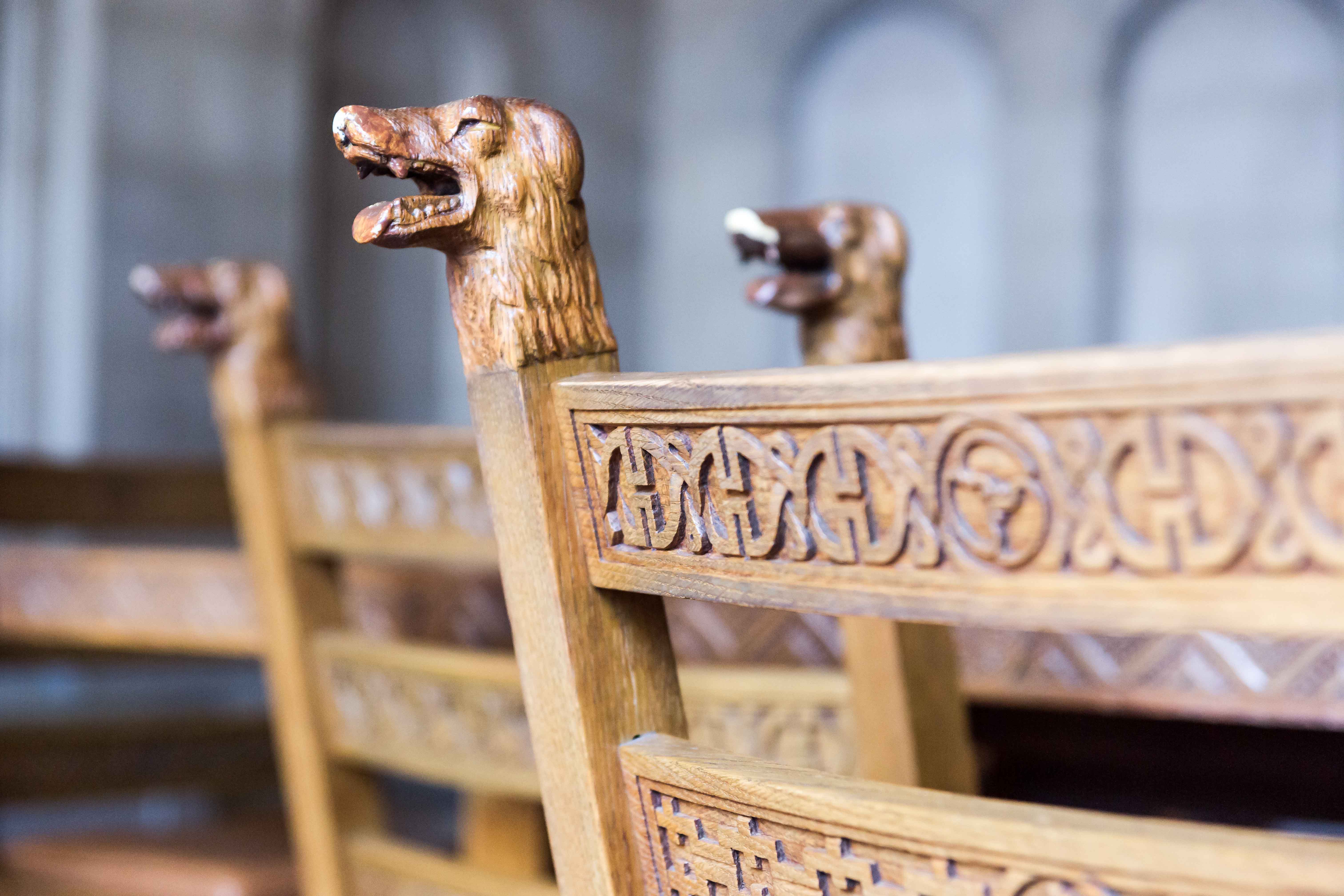
The Swedish Classroom, dedicated in 1938.

The Swedish Classroom, dedicated in 1938.

The Lithuanian Classroom, dedicated in 1940.

The Lithuanian Classroom, dedicated in 1940.

A detail from the Irish Classroom, dedicated in 1957.

A detail from the Irish Classroom, dedicated in 1957.

A detail from the Polish classroom, dedicated in 1940.

The tempura painted ceiling in the Polish classroom, dedicated in 1940. 

The Hungarian Classroom, dedicated in 1939.

The Hungarian Classroom door, dedicated in 1939.

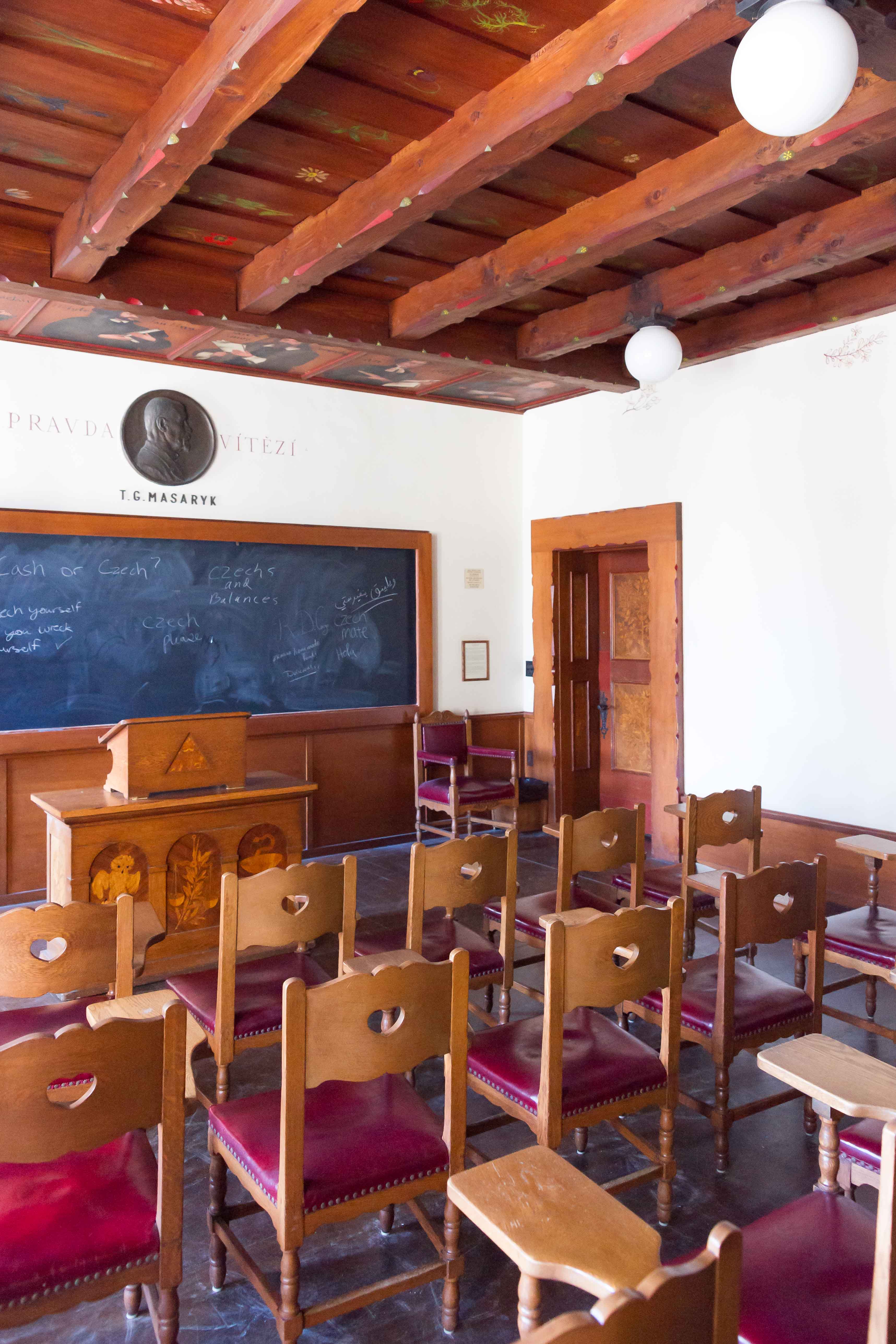
The Czechoslovak Classroom, dedicated in 1939.

The Czechoslovak Classroom, dedicated in 1939.

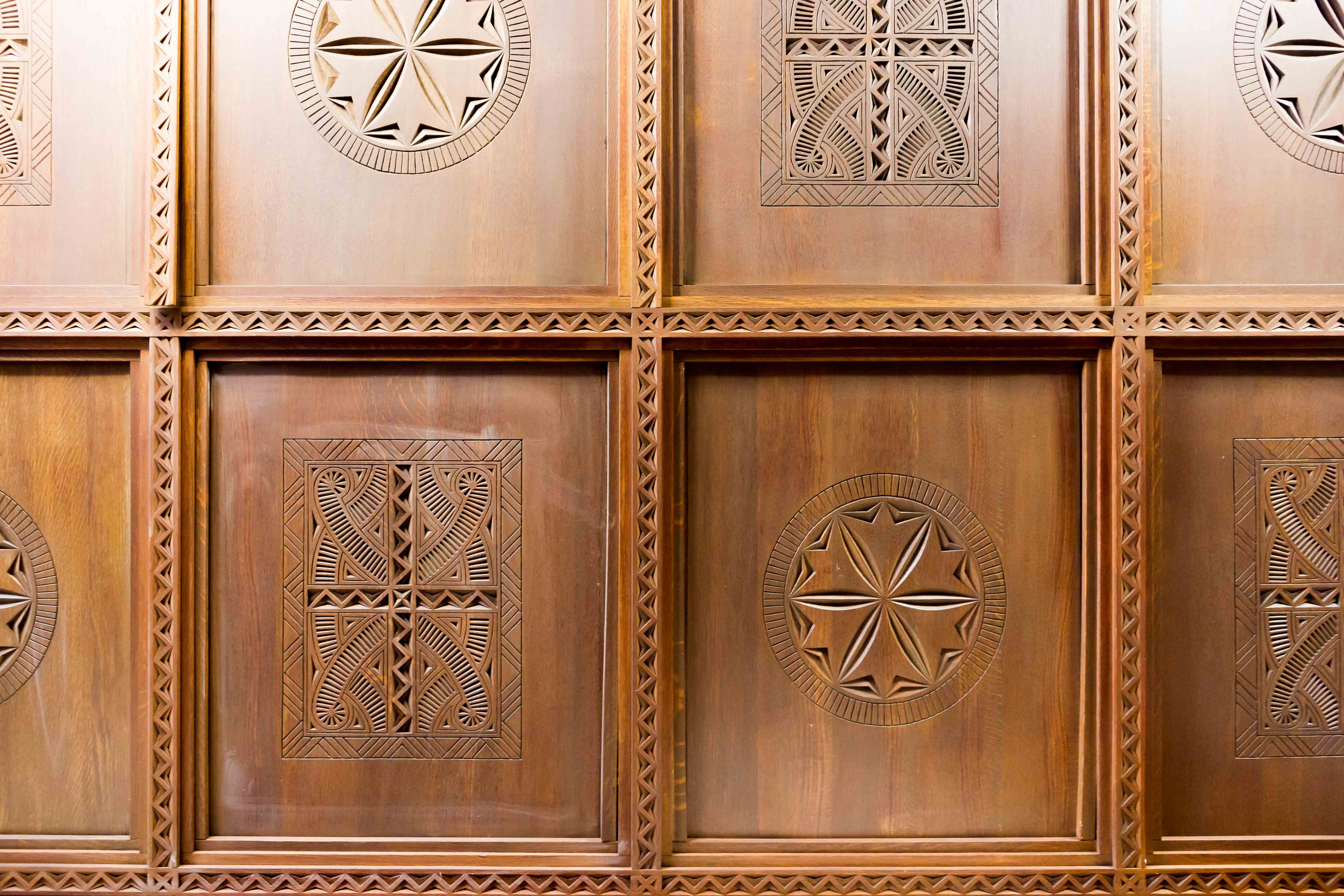
A detail from the Yugoslav Classroom, dedicated in 1939.

The ceiling in the Yugoslav Classroom, dedicated in 1939.