Category Archives: Photography

Altering reality in wide angle

Wide-angle lenses are lenses that, as the name suggests, capture a wide angle of view. They’re great for fitting a wide scene into a single shot. A wide-angle lens can catch a long parade marching down the street, spreading to left and right; it can catch a massive sprawling mountain range.

Wide-angle lenses can be tricky, too. Humans don’t see in wide angle, so these images are distorted and unnatural to our eyes. Sometimes, that’s a feature.


Wide Angle to make something feel large

Large things loom. Whether that large object is your parents when you’re a child, a huge skyscraper, or a thunder cloud, big objects have a sense of hanging over you. Wide-angle lenses can capture that sense, even for modestly-sized objects.

Below is a shrine at the Albuquerque Botanical Garden Japanese Garden. It’s maybe 15 feet wide and 15 feet high. But with the help of wide angle, it can fill a whole frame. The top frame is as a 16mm wide-angle lens captures the shot. All the lines that should be straight are curved, because this lens is a type of wide-angle lens called a “fisheye”. This could be the desired effect, or you can correct the curvature, as in the second picture. This time, I was pursuing the second image. Sometimes, the other is the goal. That’s one cool thing about digital photography–both are available in any given image.
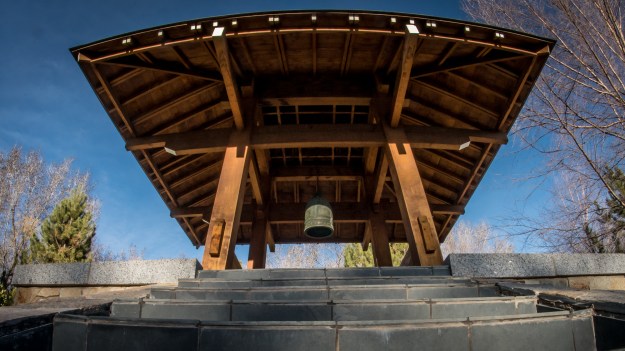
The shrine at the Japanese Garden

Shrine at the ABQ Biopark Japanese Garden, with fisheye distortion uncorrected.
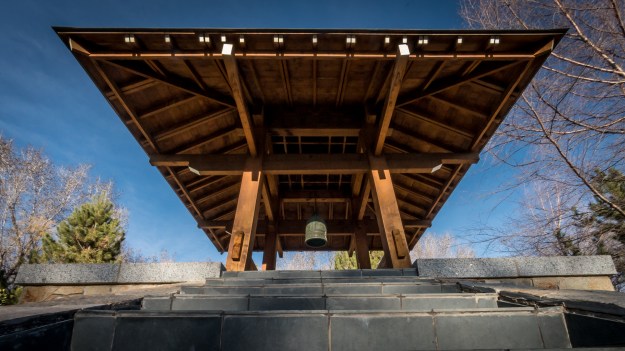
The shrine at the Japanese Garden

With corrected perspective.


Wide Angle to capture a wide scene

This one’s obvious, but still awesome. Some images need a lot of space. Sometimes, you can get a wide-angle image by stitching several traditional images together. But as in the top image, only a single capture can catch the ducks taking flight.

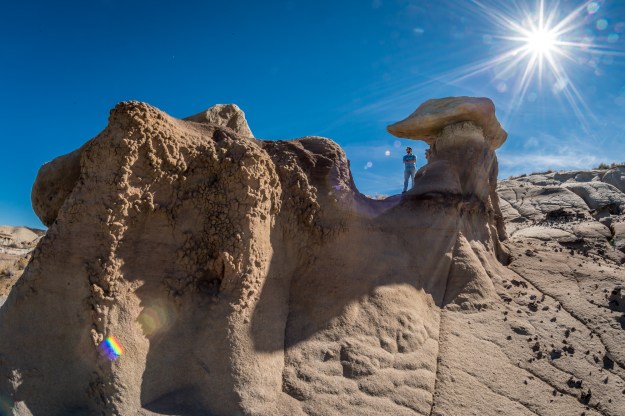
In the bottom image, the angular distortion from the fisheye lens is fine uncorrected, because there are no straight lines on that rock to betray the distortion. And the wide angle here allowed me to get the sun in the frame. The distortion to the sun here is called a “sunstar.” You can get them by shooting with small apertures, which leads to light diffraction. Here’s a nice brief article if you want to learn more about sunstars.
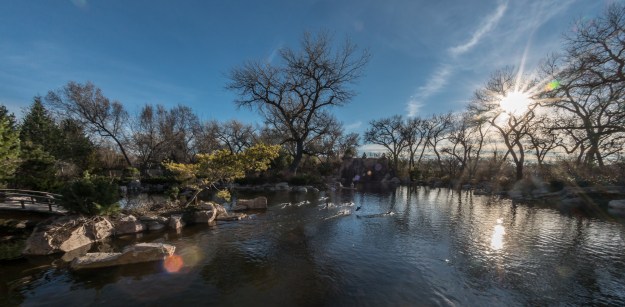
ABQ Biopark Japanese Garden wide angle, ducks taking flight

The pond at the Japanese Garden

Bisti Badlands and Sun Star

A rock formation at Bisti Badlands


Wide Angle for composition

Wide-angle lenses give a photographer different options in guiding the viewer’s eye in a photograph. You may have heard that long lenses compress depth, thus why they are pleasing for portraits. Wide lenses exaggerate depth. The righthand side-view mirror on cars is slightly wide-angle. This is why “objects may be closer than they appear.” Your side-view mirror has exaggerated the sense of depth.

Additionally, wide-angle lenses can focus on nearby objects. My 85mm lens has a minimum focal distance of 1 meter. My 70-200 varies from 1 meter to 1.5 meters. My fisheye can focus nearly up to the point I bump into the subject.

Both of these factors give the photographer different creative freedoms when composing with a wide-angle lens.

In the first image, I found this hanging rock fascinating. I put my lens right next to this rock when I shot, but because of the exaggerated depth, it doesn’t feel as claustrophobic as the shot was. The rocks in the background are only a few feet away, but they feel more distance. Here, I also employ the wide angle to make the rock loom large. That hanging arm was no more than 3 feet long.

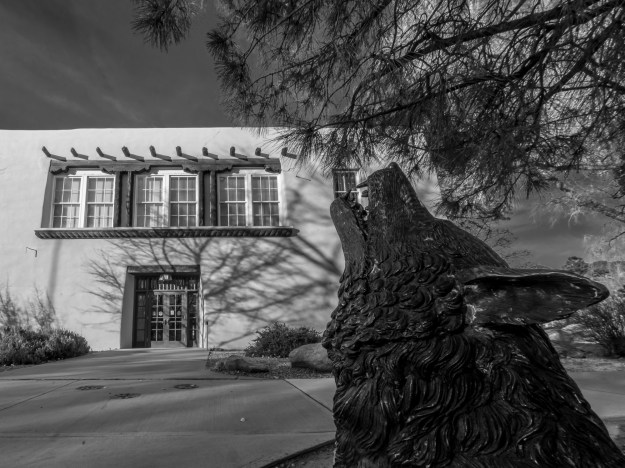
In the second image, the ability to get close to the statue in the foreground meant I could fill more of the frame with it. And I can fit the building comfortably in the background. So I can make a relatively small object the same size in the capture as a large object.
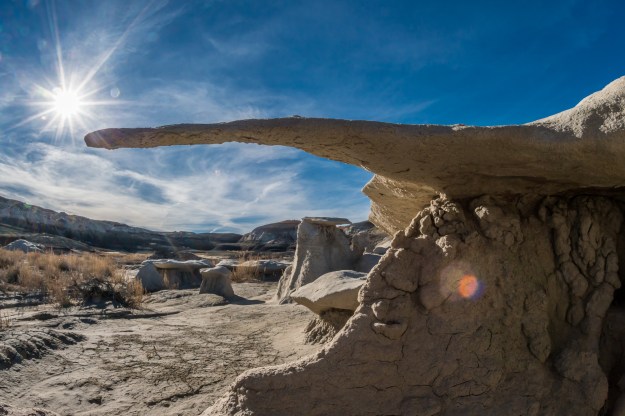
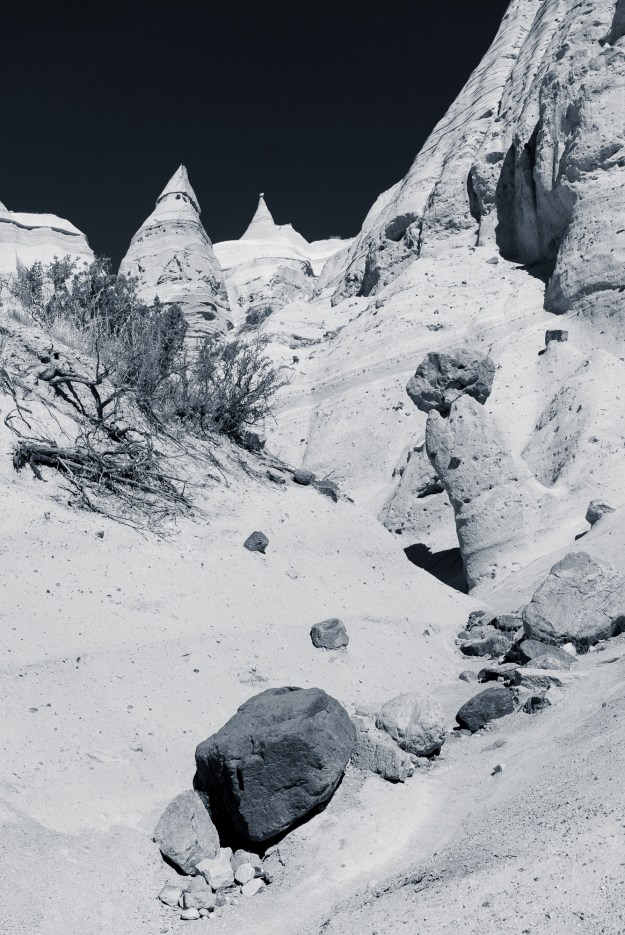
Rock formations in the Bisti Badlands

Rocks and sun at Bisti Badlands

160217-UNM-campus-4711

University of New Mexico campus, and statue of school mascot, the Lobo


Did I miss anything? I love a good photo discussion, so let me know!

Science Fiction and the West: Part 1

Three events inspired this post: 1) I reread A Canticle for Leibowitz, set in future Utah, for the first time since moving west, 2) a member of my scifi club out east joined wordpress (check out his blog here), and 3) I visited the fantastic Bisti Wilderness Area in northwest New Mexico. All at once, I was reminded of sharing the west with friends out east, and confronted with the west in future fiction and the west’s natural absurdity.

I pondered my bookshelf. The genre is not as teeming with western themes as one might think of a genre that grew up side-by-side with the cowboys and indians craze. There’s Joe Haldeman’s Worlds, which briefly depicts a future lawless Nevada. I thought of an Ursula Vernon short story and a series by R.S. Belcher that I have yet to read. But nothing else. It seemed odd. Then I saw all the books about Mars—in many ways, they are books about the west. Kim Stanley Robinson’s Mars trilogy, Philip K. Dick’s hallucinogenic Martian books, Heinlein’s Stranger in a Strange Land… whenever Mars is a character, it feels a lot like the west.

And it’s no surprise that the Mars of fiction feels like the west. John Carter was filmed in southern UtahTotal Recall filmed in Nevada. Robison Crusoe on Mars filmed in Arizona and Death Valley. It’s more than just superficial: NASA has tested rovers at White Sands National Monument, because the dunes are similar to those on Mars. NASA even brought a piece of rock to Mars from New Mexico on the rover for calibration purposes.

This post is just the first on this topic. I’ve lived in the west for six months now. I’ve traveled it only a little. I need to read the science fiction of the west, the science fiction of Mars, and to experience the natural surreality of this land. But for now, I leave you with the science fiction west.

This slideshow requires JavaScript.

Photo theme: Quarter Windows & Side Mirrors

Last weekend, I attended the 25th annual SuperNationals Car Show in Albuquerque. It was a sea of chrome and gleaming paint. There were silly low-riders, beautiful antiques, and fine-art automotive sculptures.

So amongst all that overstimulation, I tried to stick to a few themes. And one of them is the subject of this post: Quarter Windows and Side Mirrors. Quarter windows are the small (usually triangular) windows in front of the front windows. On old cars, they could swivel open to allow airflow.

The shining chrome of the quarter window tracing around the silvery side mirror–that’s a theme I will see again and again. There’s a lot to play with. Reflections in the flat glass, warped reflections in the chrome, angles, lines, light. This is what I have for now. To be continued…

This slideshow requires JavaScript.

Photography: Patterns

Every now and again, it’s fun to rummage through your old photos and look for categories. Pictures of bicycles, pictures of cats, pictures of cats, pictures that are purple… you get the idea. But it does take a while. So today, I rummaged through my photos for pictures of patterns.

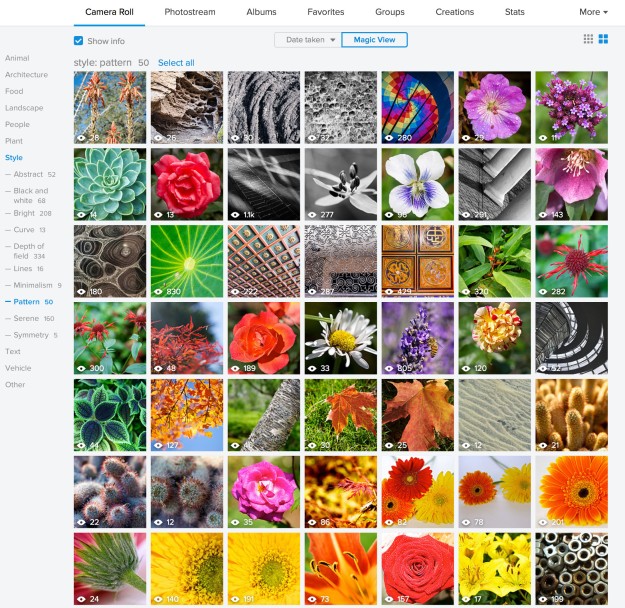
I was inspired by Flickr’s new organizational features. Under the new “camera roll” is the magic view, which allows you to look at various pre-determined categories according to Flickr. There’s various kinds of animals, landscapes, and people categories. My favorite is the style. Below is my “pattern” category. Not every image hits the nail on the head, but it’s a cool way of looking through your photos. I’ve got over 7000 on Flickr, so I can see photos with similar attributes across the years. Some of the categories were ones I already had thought of, but some were new ideas.patterns

So, some of my favorite pattern pictures!

My Florida Bird captures

I’m wrapping up three weeks birding south Florida, testing my new 70-200mm lens. I was inspired by a recent photography class through my local Albuquerque photography club, the Enchanted Lens. The instructor showed many beautiful images of birds using 600- and 700mm lenses. I can’t afford 600mm lenses. I wanted to see what I could accomplish with my new (and already very dear) 70-200mm. I’ve had a 70-300mm lens for 8 years now, but it is optically weak. It takes gray, lifeless images. It has a resale value of $12. With my new, colorful, sharp lens,  I’m falling in love with the 70-200mm zoom range all over again.

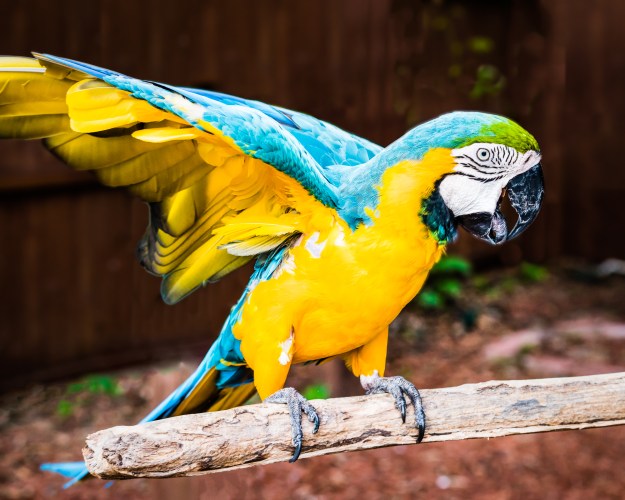
Below are my captures on this trip. I always learn more when I bring my camera; I get to study for an hour that which I saw for a moment. I see that macaws can have multiple colors on one feather. I find out what macaws are. I see which parts of the color were skin and which parts are feathers.

Some of the images below I shot in the wild. Others I shot at the Peace River Wildlife Center in Punta Gorda, Florida and at the Sarasota Jungle Gardens in Sarasota. I uploaded many more pictures at full res at my Flickr site, and my birds album.

151221-bird-and-sunset-0351-edit-151221

A wild great egret

151221-bird-and-sunset-0476

I couldn’t figure out what this guy was! He resembles a double-breasted cormorant, but all the example images I found of them had orange beaks. I found this fellow hunting in the wild.

151229-peace-river-wildlife-1102-edit-151229

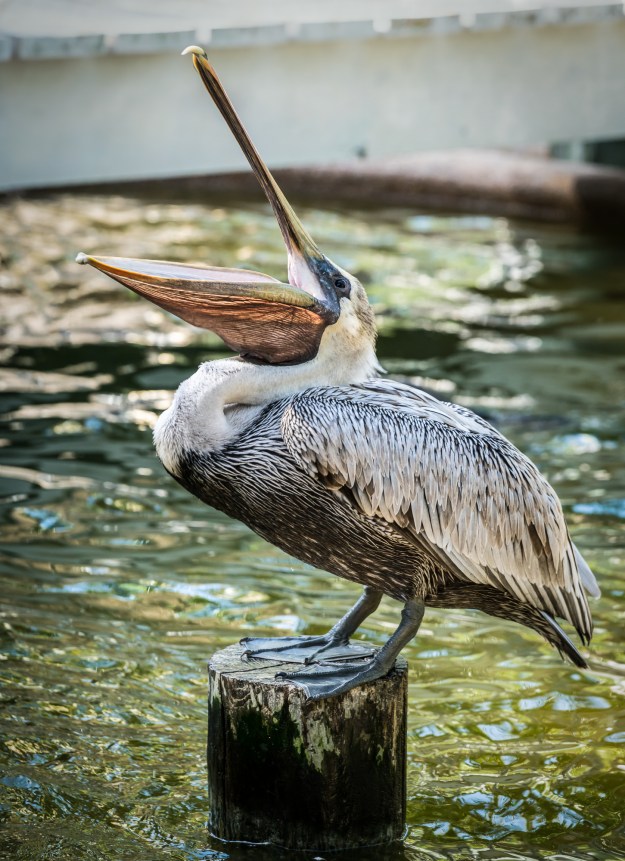
A brown pelican at the Peace River Wildlife Center in Punta Gorda, Florida.

151229-peace-river-wildlife-1124

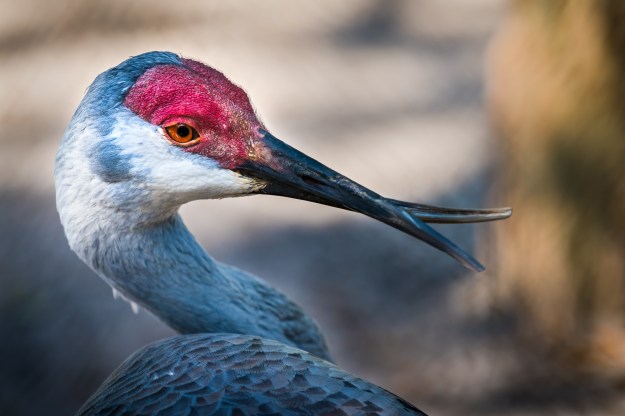
A rescued sandhill crane at the Peace River Wildlife Center in Punta Gorda, Florida.

151229-peace-river-wildlife-1063

A great blue heron at the Peace River Wildlife Center in Punta Gorda, Florida.

151229-peace-river-wildlife-1192

A yellow-crowned night heron at the Peace River Wildlife Center in Punta Gorda, Florida.

151222-sarasota-jungle-gardens-0814

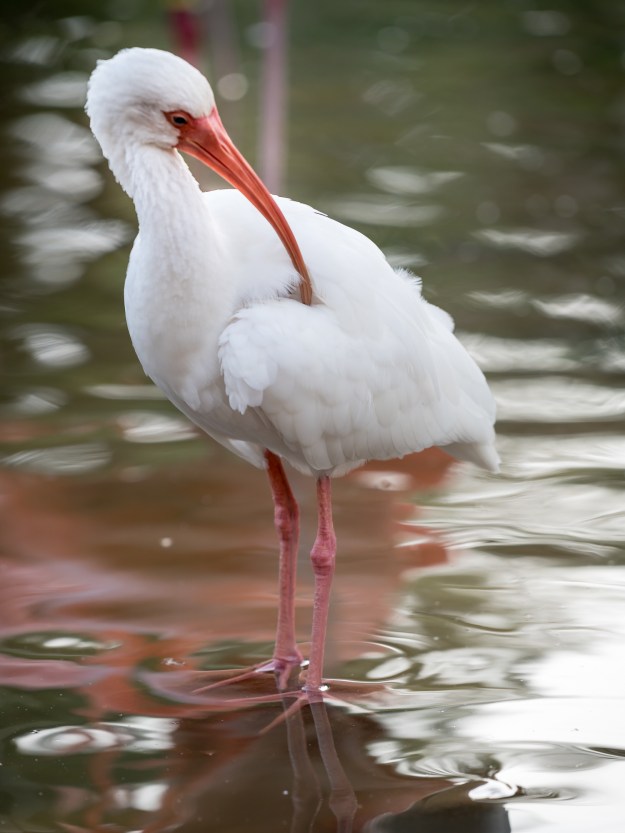
A white ibis at Sarasota Jungle Gardens in Sarasota, Florida.

151222-sarasota-jungle-gardens-0828-edit-151222

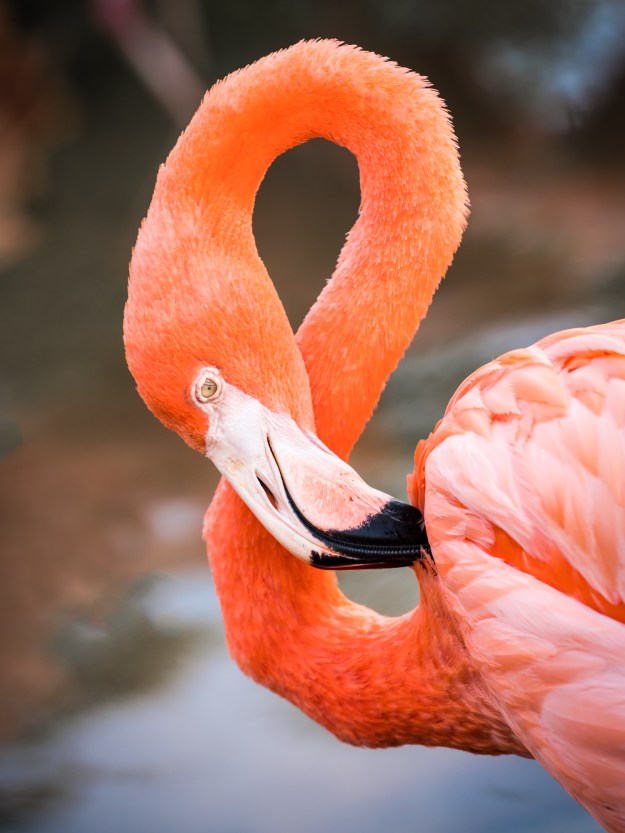
A flamingo at Sarasota Jungle Gardens in Sarasota, Florida.

151222-sarasota-jungle-gardens-0583

An indian ringneck parakeet and a sun conure parrot at Sarasota Jungle Gardens in Sarasota, Florida.

151222-sarasota-jungle-gardens-0617-edit-151222

A hyacinth macaw at Sarasota Jungle Gardens in Sarasota, Florida.

151222-sarasota-jungle-gardens-0550-edit-151222

A blue and gold macaw at Sarasota Jungle Gardens in Sarasota, Florida.

151222-sarasota-jungle-gardens-0606

A military macaw at Sarasota Jungle Gardens in Sarasota, Florida.

151222-sarasota-jungle-gardens-0974-edit-151222

A female eclectus parrot at Sarasota Jungle Gardens in Sarasota, Florida.

10 photos for 2015

How strange that this is the last Monday of 2015. I’ve done a lot in 2015. I moved 2000 miles and started a new life. There’s nothing like new digs to inspire photography and boy have I been inspired. Even after the standard culling, I have over 17,000 pictures from this year.

I’ve tried hard to improve my photography, revisiting basic lessons like composition and exposure and flash. I’ve taken photos that I wouldn’t have taken before–and I love them. I’ve committed to learning more about Photoshop, editing, and making the most of my images. I guess the best sign of all is that I’m eager for more in 2016 after all the hours I’ve spent behind the lens and in front of the computer this year.

So, without further ado, ten photos for 2015. They don’t cover everything from the year, but all ten represent different things. It’s great to look back over 17000 photos, you tend to forget some of them!

1

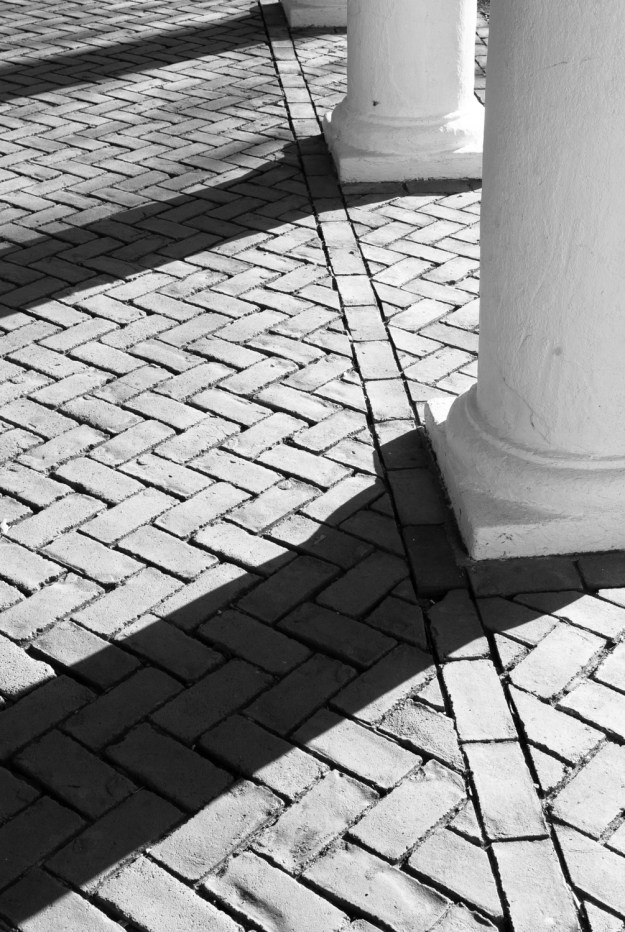
The famous columns and herringbone brickwork of University of Virginia’s Academical Village. And for me, revisiting the basics of composition, contrast, and lines.

2

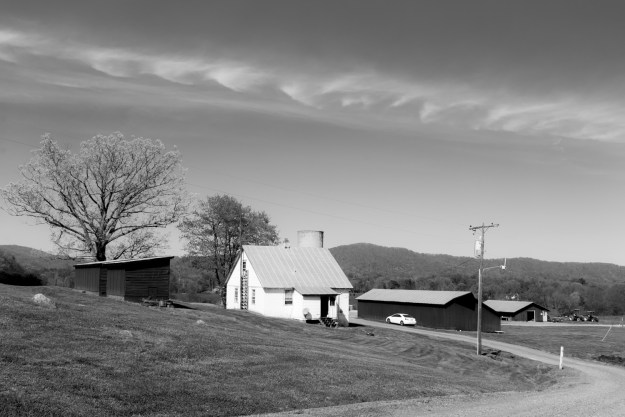
A band of clouds (maybe some variant on Kelvin-Helmholtz clouds?) over a farm in rural Virginia. And a study in black and white.

3

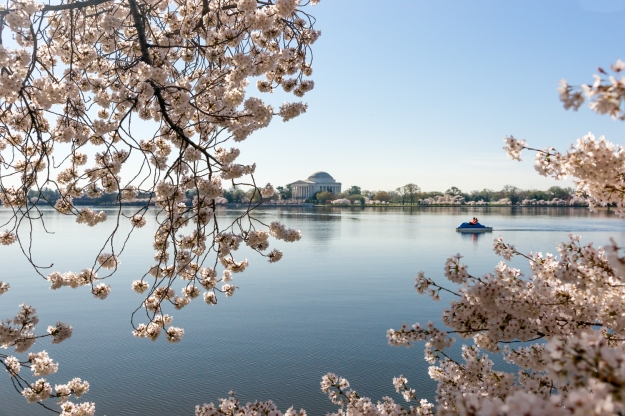
The Cherry Blossom festival in Washington, DC. Perfect blooms, perfect weather. And a composite of two focal depths so I would have my cake and eat it too, photographically.

4

A pinhole of a pinhead. My lovely Chat Noir posing on National Pinhole Photography Day. Pinhole photography is more fun than ever with modern ISO capabilities.

7

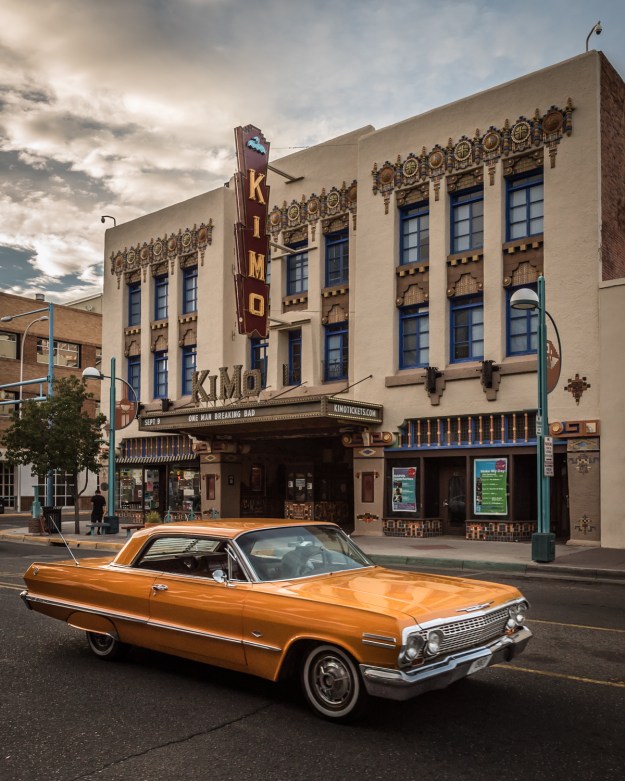
Iconic imagery in a new land. Pueblo deco architecture and classic cars on Route 66 in Albuquerque.

5

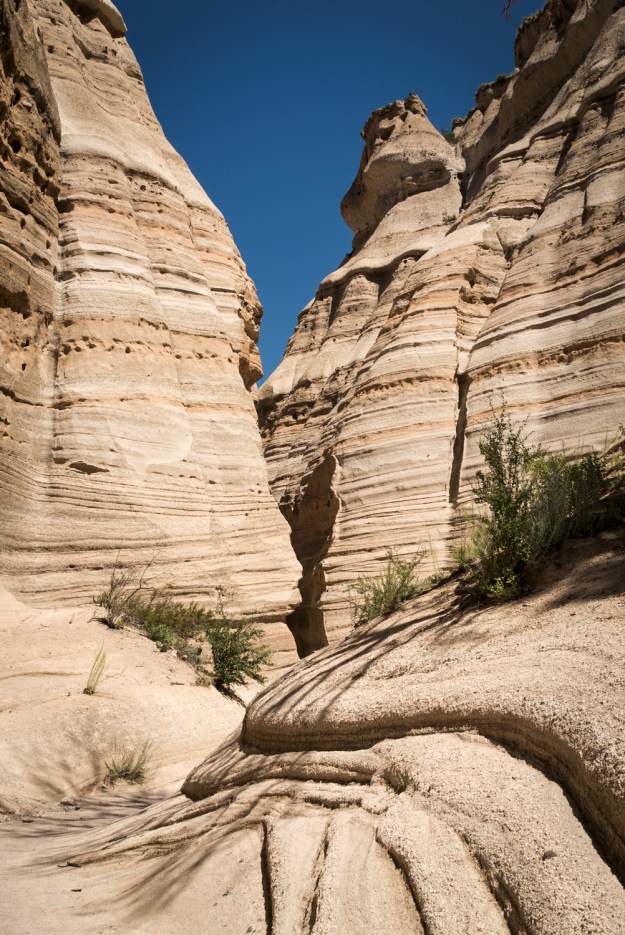
Western landscapes. A slot canyon at Tent Rocks National Monument.

6

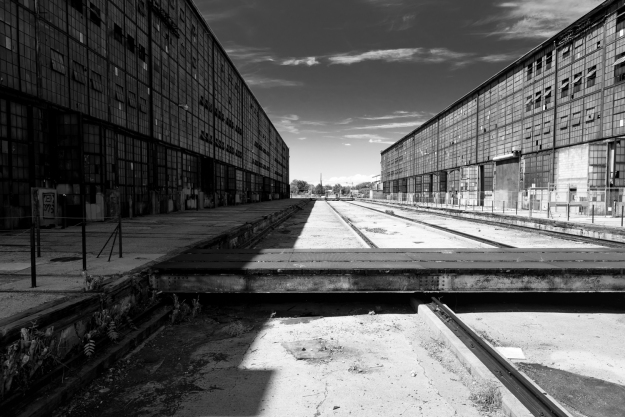
Industrial decay at the Albuquerque Railyards, once the largest employer in the city, now a weekly farmer’s market. And a lot of neat, disused buildings.

9

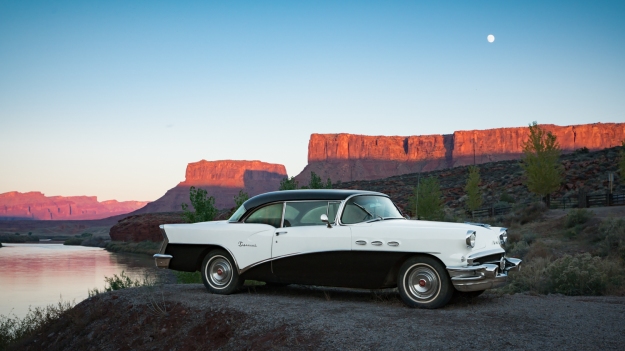
Classic car and red rocks on our October national parks trip. So many of my previous posts are stuffed with images from those journeys that I decided not to include more than just this one. Ten is quite the limit!

8

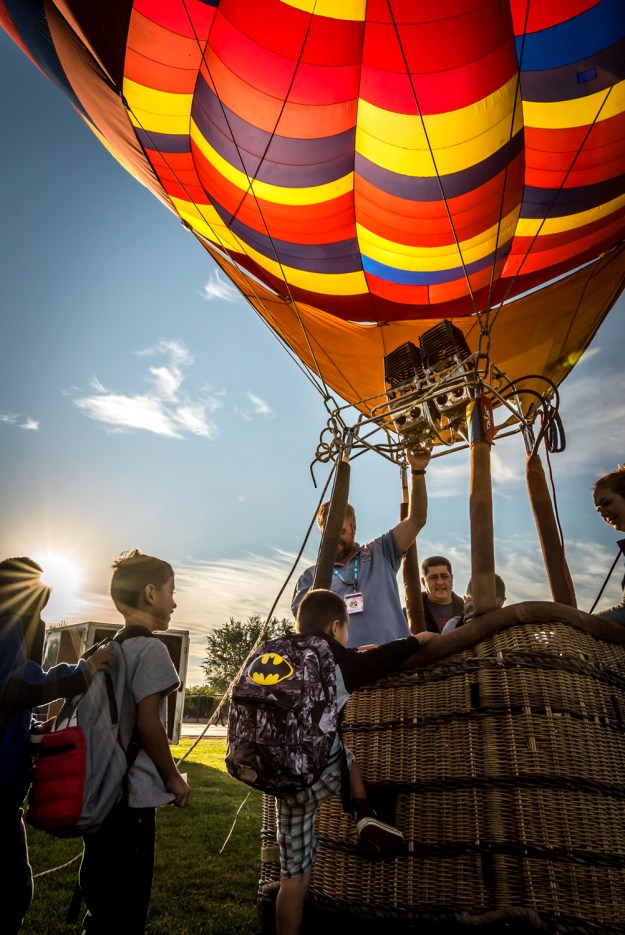
The day before the Albuquerque International Balloon Festival, balloonists visit local elementary schools and teach kids about aviation.

10

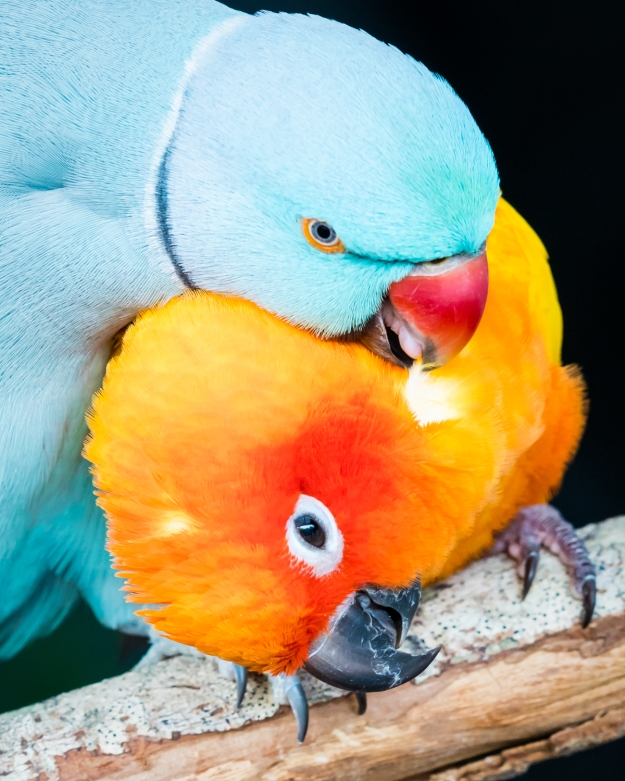
Bird love in Florida. Color, contrast, and life to end the year on a strong note.

Luminarias in New Mexico

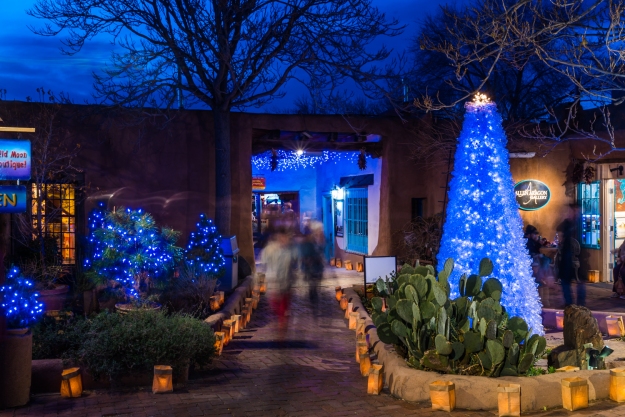
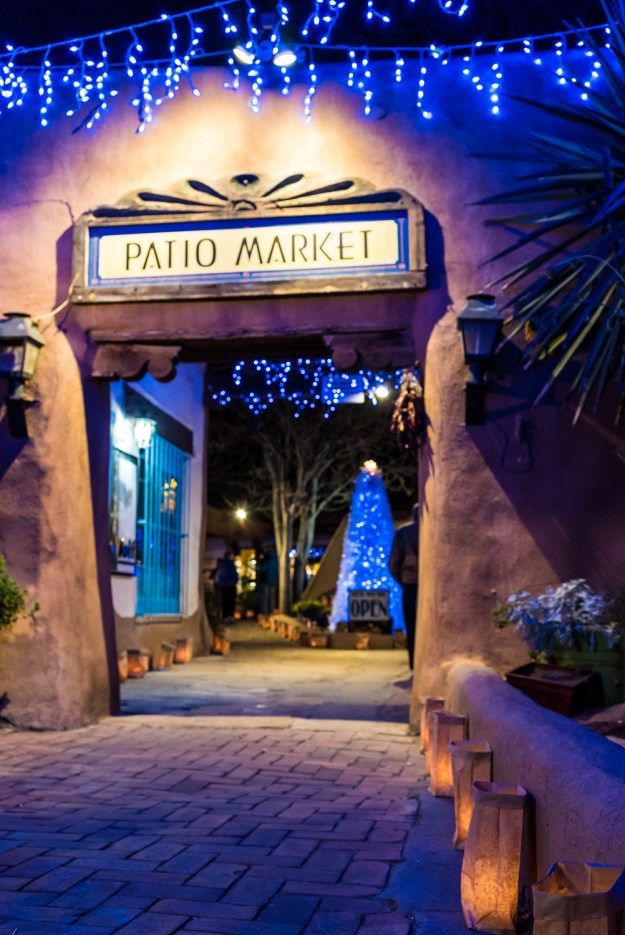
It’s Christmastime, and in New Mexico that means the night is full of glowing paper bags. The streets of Old Town are lit with luminarias, candles in bags that are somehow transformative.

New Mexico is my fourth state in a decade. I’ve lived in Missouri, midwestern and self-conscious; northern New Jersey, its traffic snarled under the spires of the country’s greatest city; and central Virginia,pastoral and historic and preening. New Mexico stands apart. Maybe it feels different because it belonged to a different country until just before the Civil War. Maybe a place that actually gets mistaken for Mars (and is used to study Mars) inevitably feels different. But throughout my short six months in this state, I’ve enjoyed feeling like a stranger in a strange land that is still familiar enough to feel like home.

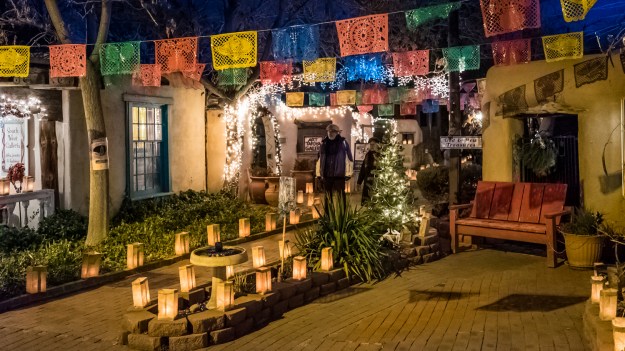
It’s luminaria season in New Mexico. When New Mexico was New Spain, Spanish merchants brought the tradition of paper lanterns from China . Something as simple as votive candles in brown sacks dates back centuries. And it’s as beautiful as ever to behold.

151204-old-town-lighting-09164

Luminarias in an Old Town courtyard

151204-old-town-lighting-09167

Old Town Holiday Stroll

151204-old-town-lighting-09200

Christmas in New Mexico


A four day weekend goes a ways out west

You can do a lot in a four day weekend in the west. We visited White Sands National Monument, Chiricahua National Monument, the Arizona Sonoran Desert Museum, Saguaro National Park, and Petrified Forest National Park.

The pictures can say more than me. And I’m already a day late on this post! When I updated my operating system, my entire photo preview collection got eaten. Poor computer has been slaving around the clock since I discovered that yesterday. No data lost, but lots of work for compy and about 300 gigs of disc space that’s in limbo. Remember to back up your libraries!

National Monuments in New Mexico

Of the 117 designated national monuments in the United States, 14 of them are in New Mexico, second only to Arizona.  When I moved here in June, I dreamt of Arches National Park and the Grand Canyon and the mountains of Colorado. But I am learning what wonders my own state contains. All are 5 hours or less from Albuquerque, and 8 of them are among the 20 least visited national monuments in the country.

The national monuments here vary wildly. There’s anthropology at the Gila Cliff Dwellings in the mountainous southwest (discovered by a man shirking jury duty). There’s a 17th century Spanish Mission at Salinas Pueblo Missions in the eastern grasslands. There are miles of white gypsum dunes at White Sands, which also doubles as a bombing range.  There’s Petroglyph National Monument on the west of Albuquerque, with canyons full of ancient drawings.

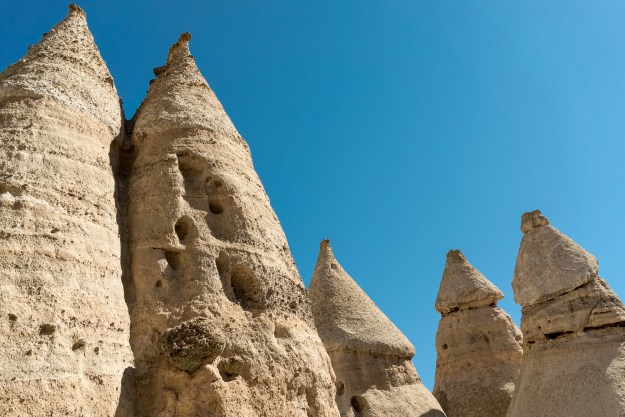
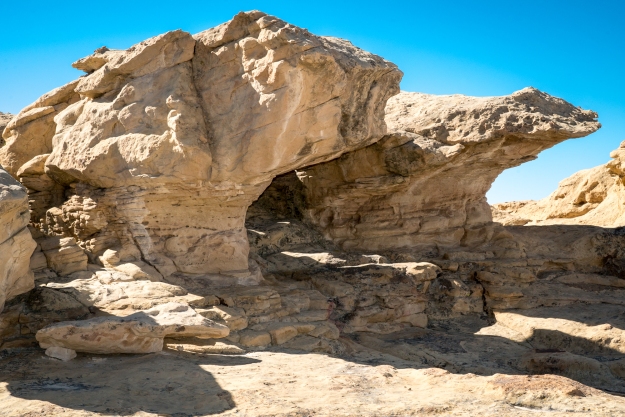
The western landscape expands your vocabulary. You can see a slot canyon and hoodoos, or oddly-shaped rock columns 75 feet in height, at Kasha-Katuwe Tent Rocks. In addition to the lava fields and caves of El Malpais, you can check out the tinajas, dents that hold water after rain and bloom sporadically with life, in the sandstone bluffs. Anywhere you find sandstone you might find tafoni, or small and intricate erosion patterns.

So I’m slowing traveling to the national monuments of New Mexico, camera in hand. I’ve visited Petroglyphs, Kasha-Katuwe Tent Rocks, and El Malpais.

Kasha-Katuwe Tent Rocks

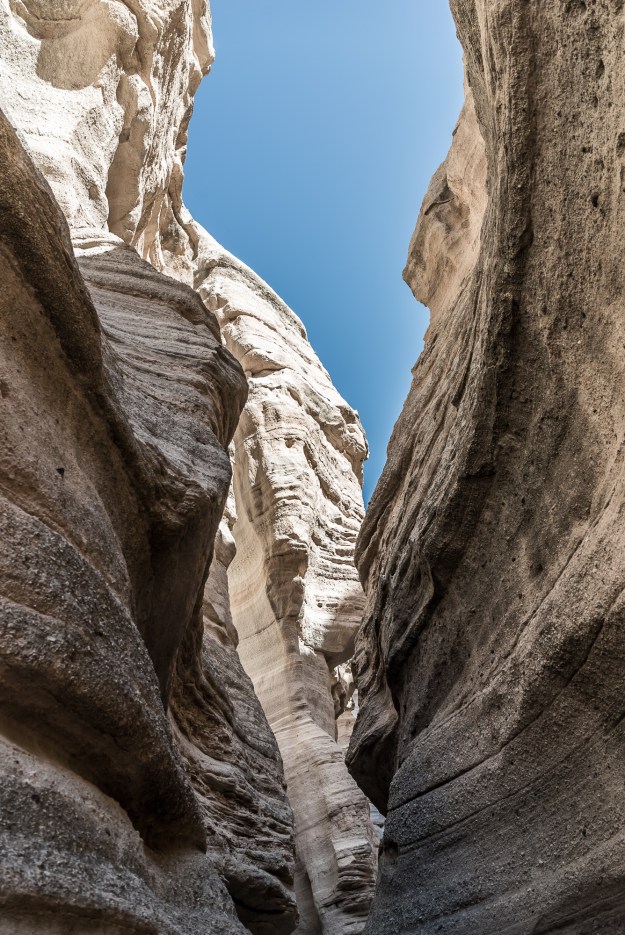
Tent Rocks is named for its rocks that resemble tents, which tower 75 feet. The excellent “slot canyon trail” takes you through a slot canyon, by the hoodoos, and to a viewpoint overlooking the hoodoos; the viewpoint also provides panoramas of New Mexico scrub and the Valles Caldera. The other trail, the Cave Loop Trail, is an easy enough walk but not very interesting. Tent Rocks is a fairly small and recently established national monument. It’s easy to reach from Albuquerque and Santa Fe, with good quality roads.

If you visit Tent Rocks in the summer, get there early. We went in July and arrived at 9 AM and it was hot at the end. Other than the summer heat and rain, Tent Rocks is a great year-round destination. It is fairly popular and gets bus tours on summer weekends.

Kasha-Katuwe Tent Rocks National Monument in New Mexico, near Albuquerque and Santa Fe.

Sandstone hoodoos in Kasha-Katuwe Tent Rocks National Monument.

Kasha-Katuwe Tent Rocks National Monument in New Mexico, near Albuquerque and Santa Fe.

Slot canyon.

Kasha-Katuwe Tent Rocks National Monument in New Mexico, near Albuquerque and Santa Fe.

Kasha-Katuwe Tent Rocks National Monument in New Mexico, near Albuquerque and Santa Fe.

El Malpais National Monument

El Malpais translates to “the bad country.” The park has two branches which follow lava fields, which you can see easily on the satellite image of the park. Highway 117 traces the eastern edge and features sandstone bluffs, the second-largest natural arch in New Mexico, and lava fields. Highway 53 traces the west and features volcanic caves and ice caves, although many of the best features are reached only by dirt road. This weekend, I visited the sights along highway 117.

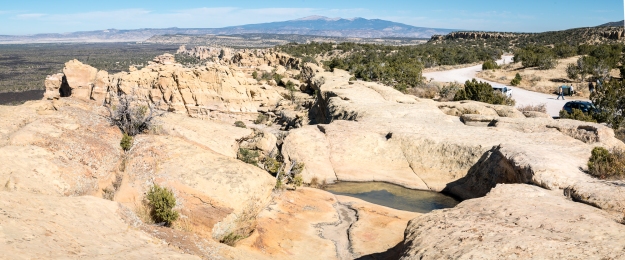
The Sandstone Bluffs Overlook area is great. The light and bright sandstone really stands out against the black fields of lava below. To the north, you can see Mt. Taylor, an inactive volcano. Dents in the sandstone, tinajas, are common on the bluff tops. Though it hadn’t rained much before we went, some still contained water and one had ice at midday.

La Ventana arch, just off the road, is the next stop south. This time of year, the north-facing arch seemed to be in shadow all day. I plan to visit again in April or May, when the light might be better but before the crushing summer heat.

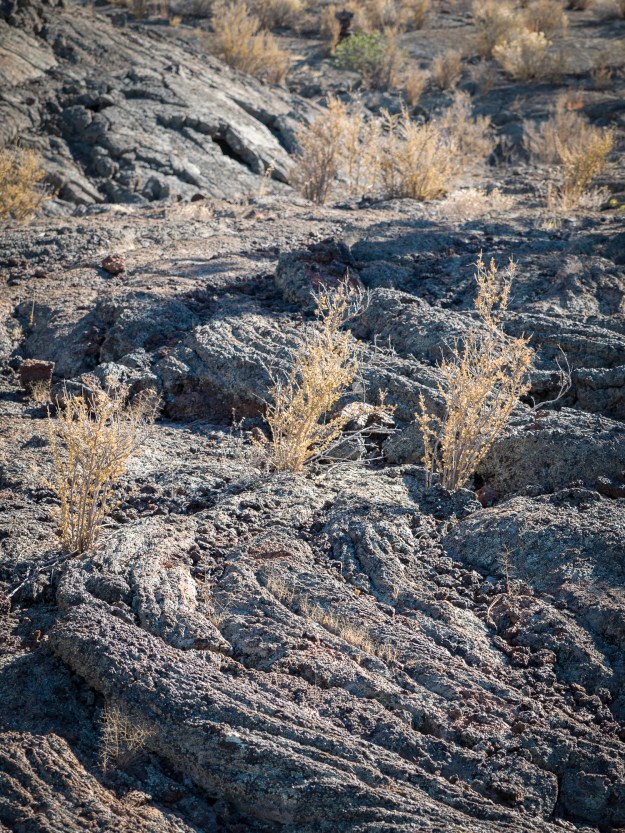
The last stop south is the Lava Falls Area, which features a 1 mile hike through Pahoehoe lava. This is smoother and easier underfoot than most of the lava in the park. The Lava Falls Area is only 3000 years old, extremely young in geological terms, and some of the youngest lava in the lower 48.

In mid November, crowds were no issue. We went on a nice November day and were quite comfortable, even with the altitude. In the Lava Falls Area, it was bordering on warm, with all that black stone everywhere. I suspect much of El Malpais would be unbearably hot in the summer. The dirt roads in the western part of the park are impassable with snow, so the best seasons for El Malpais are fall and late spring.

"A tinaja is a bedrock depression that fills with water during the summer monsoonal rains and when snowfall accumulates in the winter. These microhabitats spring to life when the baked-dry stone basins fill with seasonal water." -From the National Park Service El Malpais website. Sandstone Bluffs Overlook in El Malpais National Monument in western New Mexico.

A tinaja in the sandstone bluffs, looking north to Mount Taylor. Below to the left are the lava fields.

Sandstone formations at Sandstone Bluffs Overlook in El Malpais

Lava Falls Area at El Malpais National Monument in western New Mexico.

Lava Falls Area at El Malpais National Monument in western New Mexico. The lava here has several textures, but my favorite is this ropy, viscous one.

Petroglyph National Monument

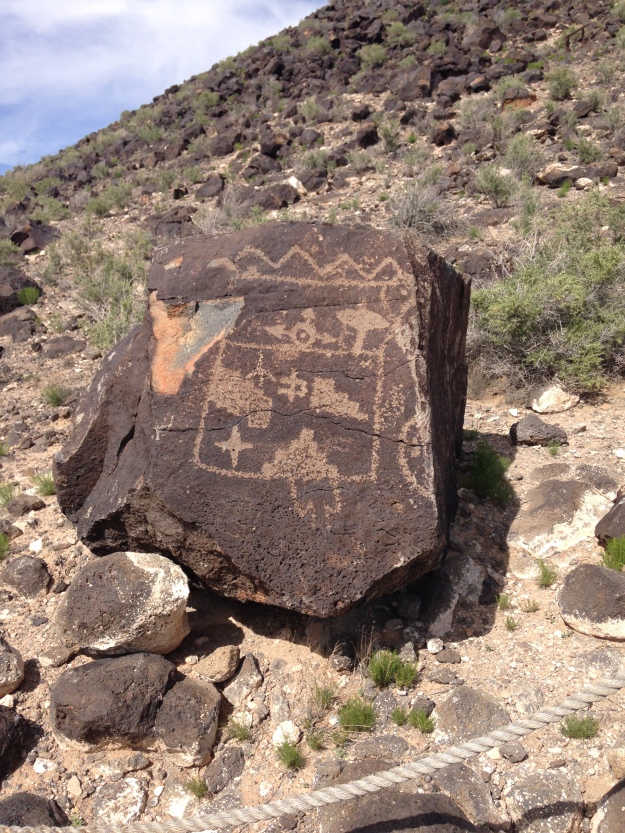
Petroglyph National Monument is on the west side of Albuquerque. I realize only now that I didn’t bring my DSLR camera on this trip, but the picture below shows even a cell phone can capture the petroglyphs well. There are three sites in Petroglyph, all easy to reach. The most popular site, Boca Negra, requires some uphill hiking. The two canyons supposedly require less. Like El Malpais, the rock is black and volcanic (though older), and it gets hot in the summer.

In Petroglyphs, you can visit the Three Sisters volcanoes on the western mesa. These three cinder cones are remarkably small, but due to their position atop the mesa are visible from the whole city. Hiking the Three Sisters is still on my to-do list, but I suspect the views back toward the city and the Sandia Mountains are pretty great.

IMG_0837

Petroglyph at Boca Negra site

Getting Lost in the Devil’s Garden

The sun was falling on the primitive trail of Devil’s Garden in Arches National Park in Utah. The sandy trail was damp from heavy rain the day before, but the sky was bright and blue above. The last traces of golden hour set the massive red rocks around us aflame. We could turn back and repeat the scrambling and climbing that brought us to our current place or we could go forward on the loop, which looked sandy and tame. We had read that the primitive trail was a 3.5 mile loop– we thought from the trailhead. Rather, it was from the main trail. So when we chose to keep going on the easy-looking sand, it was for several more miles than we bargained for.

The sun dimmed, and the sand yielded to climbing and rock scrambles. Arches rock is sandstone called slickrock. At Arches National Park, people crawl and climb over every arch and rock fin. It can be a challenge to photograph an arch without including some neon-clad idiot. So normally slickrock isn’t slick. But the rain-damped sand stuck to our shoes and acted as a lubricant, like sand on a shuffleboard table. We chose the sandy path because the rocky path to this point had been a challenge. And with even less chance of turning back, we were facing it again.

At one point, we slid down a 10 foot slope into some branches at the bottom. If you missed the branches, your slide would be longer and steeper. There were other shorter slides. It was like nature’s playground.

Then we came to a point where you must cross a ledge above a drop off. By ledge, I mean a slight bowing in the side of a rock fin. Twilight was setting in. My husband scooted across and warned me that the ledge was slick. I sat down and scooted, my camera bag bulging over the drop, skewing my center of balance. I inched along. My foot slipped. I darted forward, not at all steady. I was across the ledge. I looked back. If I had slipped, I would have slid rather than fallen, but down a 20 foot, 60 degree incline with prickly trees at the bottom. I imagined myself trapped in back country with a twisted ankle and no food and water for a night. It seemed less like a playground then.

Night fell. Thankfully, it was a clear night with a bright moon; our only other lights were the flashlights on our iPhones. There were more scrambles, though none as bad as the ledge. The trail was marked with small piles of rocks.

At one point, we missed a pile marking. We turned down a canyon. It was easy and first, and covered with footprints, a good sign. But it grew narrower and rockier, and the footsteps disappeared. I slipped and banged my camera bag. Yesterday, I discovered that I dislodged the front glass piece on my favorite lens with that jolt. Humph.

The canyon ahead was even narrower, and we wondered when we last saw a rock pile. We back-tracked. At the entrance to the canyon, we saw the rock pile. We had been lost, but we were back. Unfortunately, the marker lay beyond a massive puddle. At least in back country Arches, we were pretty confident that there wasn’t much living in that red muddy murk. The puddle was surrounded by steep rock–we hoped it wasn’t too deep, opaque as it was. Tree branches poked up from the water. We hoped they were sitting on the bottom rather than floating, but it was hard to tell. We tried to scoot around the periphery. My husband slipped. The water was up to his knees. We waded through, grateful it was that shallow.

Finally, the trail settled down, and we walked through a grassy prairie. The stars came out; the milky way stretched over red rocks and prairie. Here and there, a shooting star flashed. We walked stiffly back to the main trail. Then we drove to Moab and got sushi, a bit more sandy than usual, our shoes still squishing with water. It was a victory meal.

It was a good adventure. We didn’t slip or fall and the pictures turned out beautifully. Next time I’ll be more careful reading the distance markings, though, and respect slickrock after rain. The rest of my shots from that day are on Flickr. Other than my pitfalls, mostly caused by my lack of caution, I’d highly recommend this hike. I felt very wild and saw such beautiful things.

The view after all that twilight struggle, a hand-held star shot. A pretty delightful reward.

The view after all that twilight struggle, a hand-held star shot. A pretty delightful reward.

Fins of red rock. Later we got a little lost amongst all those massive parallel slabs.

Fins of red rock. Later we got a little lost amongst all those massive parallel slabs.

Amongst the red fins.

Amongst the red fins.

Partition Arch in Devil's Garden.

Partition Arch in Devil’s Garden.

The red rock fins and the La Sal Mountains. Though I didn't love the night hike, I'm so glad for the gorgeous golden hour shots I got.

The red rock fins and the La Sal Mountains. Though I didn’t love the night hike, I’m so glad for the gorgeous golden hour shots I got.

Double O Arch, just before we went off onto the primitive trail. I'm so glad I got to see it in such a beautiful state.

Double O Arch, just before we went off onto the primitive trail. I’m so glad I got to see it in such a beautiful state.

Golden hour play!

Golden hour play!