Category Archives: Photography

Technology and art in the rail photography of O. Winston Link

If you are interested in rail photography, or if you’re like me and really never gave it a thought, the O Winston Link photography museum in Roanoke, Virginia is a fascinating visit. O (short for Ogle– I think I’d go by the initial too) Winston Link photographed steam locomotives in the 1950s, at the very end of their widespread use. The Norfolk and Western rail lines he snapped ran through Virginia, West Virginia, Kentucky, and other parts of the coal belt of Appalachia.

In his photographs, Link captures the end of a powerful technology, but he also captures life in 1950s Appalachian rail towns. People play in a pool twenty feet from a roaring locomotive. People read in their living room with a cat sleeping on their lap as a train passes the window. Folks chat on a porch as the N&W rolls past. In the image below, the train passes a drive-in movie.

Hotshot Eastbound, by O. Winston Link.

Link captured images with such technical precision that they would still be difficult shots today, barely possible without rare equipment until very recently. Link was a civil engineer, hired out of college as a photographer; during World War 2, he used his scientific and photographic backgrounds at the Airborne Instruments Laboratory.

Link’s railway shots rely heavily on both science and photographic techniques– in order to better control the lighting and thus the composition of his photos, he often shot at night. Because, he said, “I can’t move the sun — and it’s always in the wrong place — and I can’t even move the tracks, so I had to create my own environment through lighting.” This required the use of flash bulbs, one-use bulbs that burned metal to produce brief, intense illumination. According to the museum, one of his shots alone used illumination equivalent to 10,000- 100 watt light bulbs, although that light only lasted for a moment. Reading that, I wondered what the experience was like for the train conductor, driving through nearly black rural Virginia, when light so bright it might as well be lightning flashes. His first power source was too unreliable, and so he designed his own power source. Link invested $25,000 into the unpaid project, closer to $125,000 in today’s currency.

As someone who dabbles in photography, the difficulty of Link’s task and the quality of his work (60 years ago!) deeply impressed me. Bear with me as I explain some technical details of modern cameras to convey the awesomeness of Link’s work. Today, we might just be able to reproduce such shots without flashbulbs due to advances in digital photography. Flash bulbs (using combustion) are still brighter than any modern flash (using capacitors). A single flashbulb produced about 1 million lumens (the unit that measures the brightness of light) while a modern camera-mounted flash produces about 100,000. Many flashbulbs may be used at once, so the flashbulb is great for extreme illumination. Only one manufacturer of flash bulbs still exists. Their photo gallery is pretty neat.

Today, we have cameras that are more sensitive to low light, called high-ISO cameras. Camera speed, whether digital or film, is measured in a system called ISO-sensitivity. In this system, a film with double the ISO requires half the exposure time; a two-second exposure with 200 ISO film would take 1 second with 400 ISO film for the same level of exposure. In the 1950s, the fastest film was ISO 400-640. The Sony Alpha 7S, releasing in July, has up to ISO 409,600, 1024 times  faster than ISO 400. A shot requiring 30 seconds of exposure on ISO 400 would require roughly 1/30 of a second on ISO 409,600. This is really new technology; as of 2013, no ISOs above 10,000 existed.

So, in short, Link’s work is a beautiful hybrid of science and art, a testament to their combined power. Link’s scenes of rural 1950’s Appalachian life are beautiful, and remind us of the era of the man behind the lens. New advances behind the lens are happening today. What new wonders will they capture?

The Blue Ridge Parkway


The Blue Ridge Parkway is 469 miles long, connecting Shenandoah National Park and Great Smoky Mountains National Park. It is managed by the National Park System, though it is not a national park itself. Still, it has been the most visited part of the National Park System every year for over 50 years.

This weekend, I drove and hiked along a portion of it between Vesuvius and Roanoke, Virginia. It rained last week, so the vegetation was especially lush and the waterfalls especially spectacular.SONY DSCCrabtree Falls bottom-most waterfall, off mile marker 30 of the Blue Ridge Parkway. Highway 56, which leads to Crabtree Falls, is a beautiful drive whether you go east of the Parkway or west. We stayed in a cabin near these falls, and at night, we could hear the water rush.

SONY DSCThe James River.

SONY DSCOverlooking Buena Vista, Virginia shortly before sunset.

SONY DSCFurther into sunset near Buena Vista, Virginia.

SONY DSCVegetation approaching the Apple Orchard waterfall trail.

SONY DSCBlooming azalea bushes lined the trail to Apple Orchard waterfall.

SONY DSCApple Orchard waterfall near mile marker 78 on the Blue Ridge Parkway.

SONY DSCAnother waterfall on the Crabtree Falls trail. In 1.5 miles, you can see 4 different falls, though on the weekends it can be somewhat crowded. We went on Monday and shared the path with a different and slightly-too-exciting crowd: a rattlesnake and a six-foot long black snake. Nature!

May Flowers and the Richmond Botanical Garden


SONY DSC


One of the great pleasures of spring is enjoying all the plants that welcome spring too. I recently had the pleasure of traveling to the Lewis Ginter Botanical Garden in Richmond, Virginia, to enjoy the simultaneous blooming of azaleas, irises, and peonies. The Lewis Ginter Botanical Garden was recently voted the second best botanical garden in the country; it’s definitely worth a visit.

SONY DSC SONY DSC SONY DSC SONY DSC SONY DSC SONY DSC

Nationality Rooms at the Cathedral of Learning

This weekend, I went to the Cathedral of Learning in Pittsburgh. Among other things, this gothic skyscraper contains 29 nationality rooms–each of these rooms is decorated intricately in the design of a nation. The first 19 were built between 1938 and 1957, with ten built since 1987. The Turkish and the Swiss classrooms were dedicated in 2012, and several more are planned. If you are in Pittsburgh and have any interest in craft or design, I can’t recommend visiting enough.

To visit the classrooms, you can check out a key at the desk, or take a tour with a guide. We rented a key. Visiting each room felt like a treasure hunt; each room was so different, and full of intense detail. Each room had special walls, windows, ceilings, chairs, lecterns, and chalkboards. Even the light switches and doors were in style. Many contain intricate wood or stone carvings, or genuine artifacts. Most were designed by architects of the country.

You can learn more on the University of Pittsburgh website about the nationality rooms. This page allows you to virtually tour each room.

The Chinese nationality room.

The Chinese nationality room, dedicated in 1939.

The Czechoslovak room, dedicated in 1939. This room contains a letter from the first President of Czechoslovakia, Tomáš Masaryk, to the students of the University of Pittsburgh.

The Czechoslovak room, dedicated in 1939, 8 days before the Germans invaded in World War 2. This room contains a letter from the first President of Czechoslovakia, Tomáš Masaryk, to the students of the University of Pittsburgh. His son, Jan, spoke at the dedication of the room, foreseeing trouble in the future. Page 4 of this document details the interesting connection between Czechoslovakia and Pittsburgh.

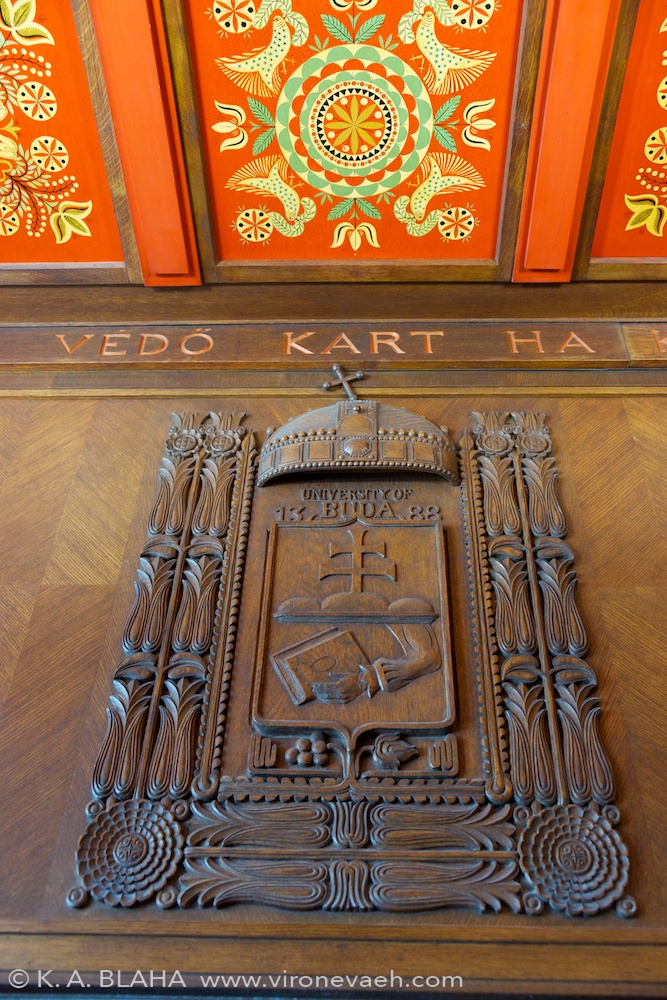
The Hungarian room was dedicated in 1939.

The Hungarian room was dedicated in 1939.

The Lithuanian room, dedicated in 1940. The walls are woven from linen in the "The Path of the Birds" design. Between the angular, abstract carvings and the painting and the walls, this was one of my favorite rooms.

The Lithuanian room, dedicated in 1940. The walls are woven from linen in the “The Path of the Birds” design. Between the angular, abstract carvings and the painting and the walls, this was one of my favorite rooms.

A detail from the Romanian room, dedicated in 1943. The style of this mural on the back wall reminded me of the opening of Beauty and the Beast.

A detail from the Romanian room, dedicated in 1943. The style of this mural on the back wall reminded me of the opening of Beauty and the Beast.

The Swedish room, dedicated in 1938.

The Swedish room, dedicated in 1938.

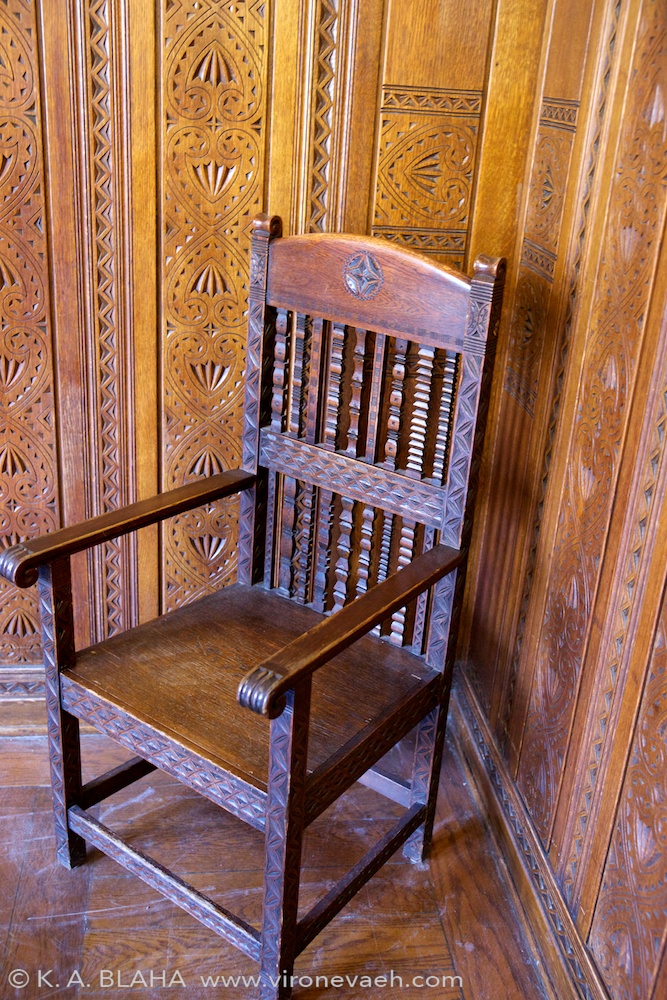
The Yugoslav room, dedicated in 1939. The carving in this room, called "notch carving" was simply amazing.

The Yugoslav room, dedicated in 1939. The carving in this room, called “notch carving”, was simply amazing.

The cathedral of learning, exterior.

The cathedral of learning, exterior.

The main hall of the cathedral of learning.

The main hall of the cathedral of learning.

The main hall of the cathedral of learning.

The main hall of the cathedral of learning.

Cityscapes

Whenever I travel, I bring my camera. It remembers the little details I can’t. Then I come home and the photos take me back to those places. They are also great resources for illustration and imagining. Last week I posted some word building illustrations. When I try to imagine and build what doesn’t exist, photos of what does provide invaluable insight. Between my photos and google searches, I work toward my vision for each piece of each illustration. Below are a few favorite cityscapes I pulled out of my files. Whether from street level or from above, each provides a window into the culture of each city.

Cabo san Lucas waterfront.

Cabo san Lucas waterfront.

New York City from the Rockefeller Building.

New York City from the Rockefeller Building.

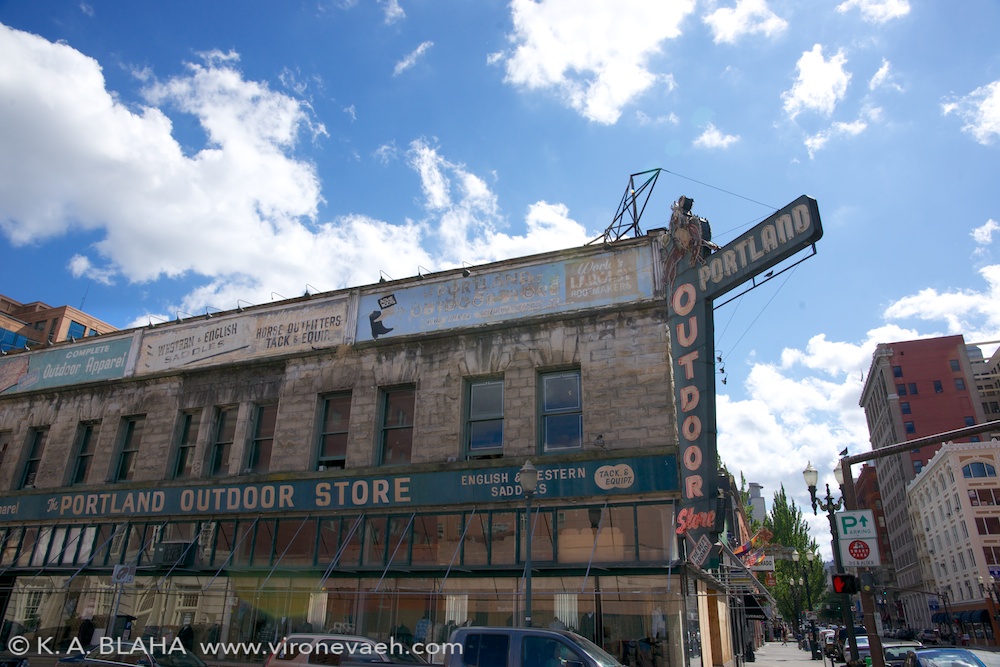
On the street in Portland, OR.

On the street in Portland, OR.

Ghent, Belgium.

Ghent, Belgium.

Bergen, Norway.

Bergen, Norway.

Prague, CZ (a place called nazdrazi holesovice, if my notes are to be trusted).

Prague, CZ (a place called nazdrazi holesovice, if my notes are to be trusted).

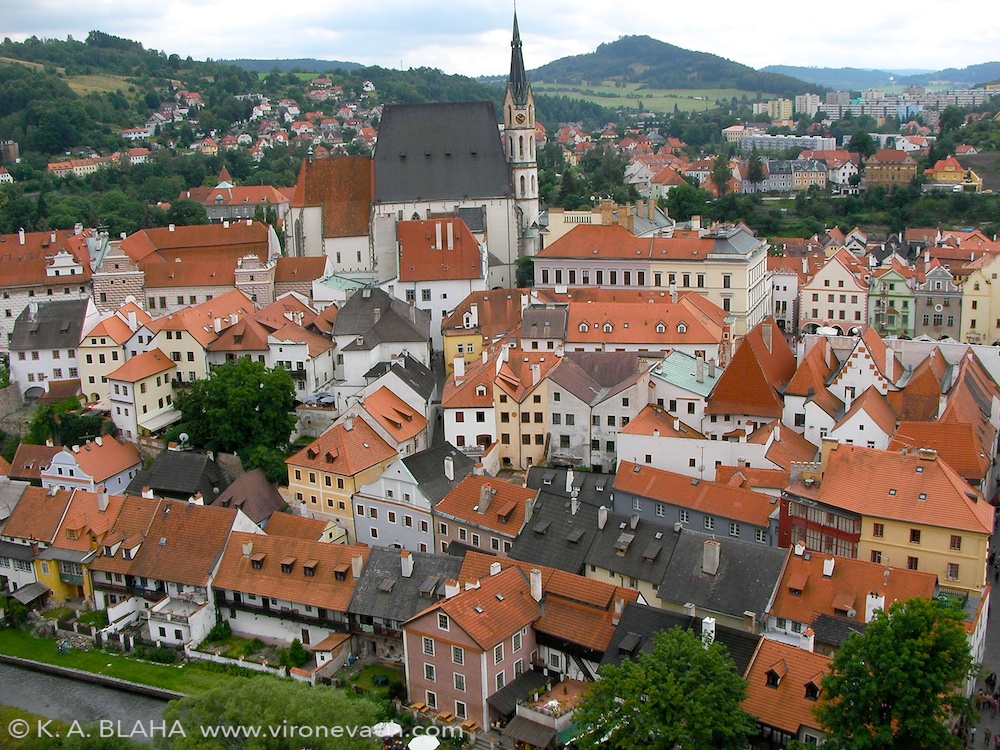
Cesky Krumlov, CZ.

Cesky Krumlov, CZ.

Baltimore waterfront.


Thoughts of warmer places

Here in the mid Atlantic, last week’s snow melts and compacts on the ground. It looks great when it falls, but it grows messy and treacherous quickly. But it is February, and the days grow longer. Soon they must grow warmer too. But in the meantime, this time of year, I like to fondly review photos from warmer places.

SONY DSC

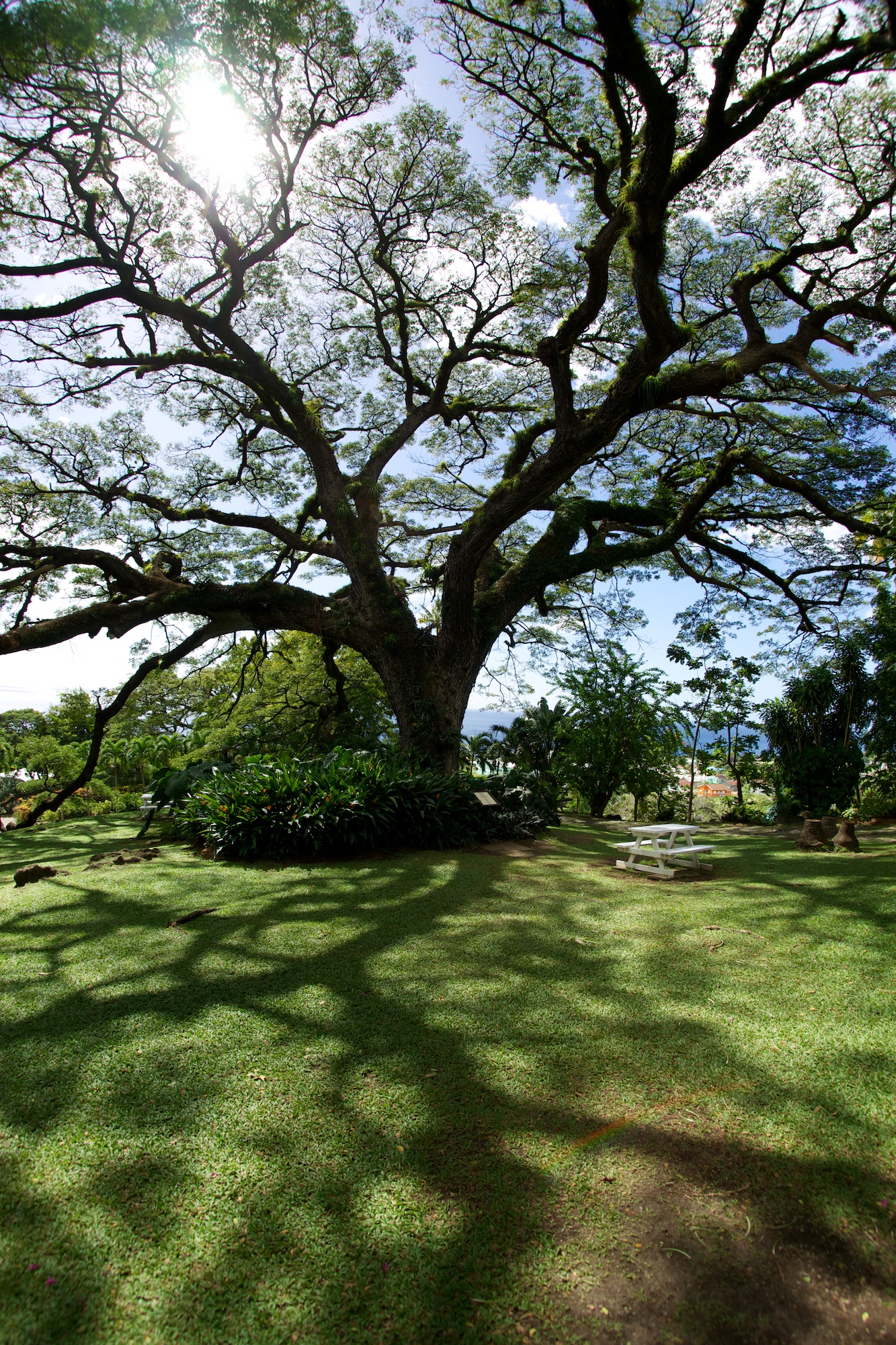
Old Anglican church on St. Kitts.

Old Anglican church on St. Kitts.

St. Kitts, looking toward Nevis.

St. Kitts, looking toward Nevis.

Jungle in St. Lucia

Jungle in St. Lucia

Florida wilderness

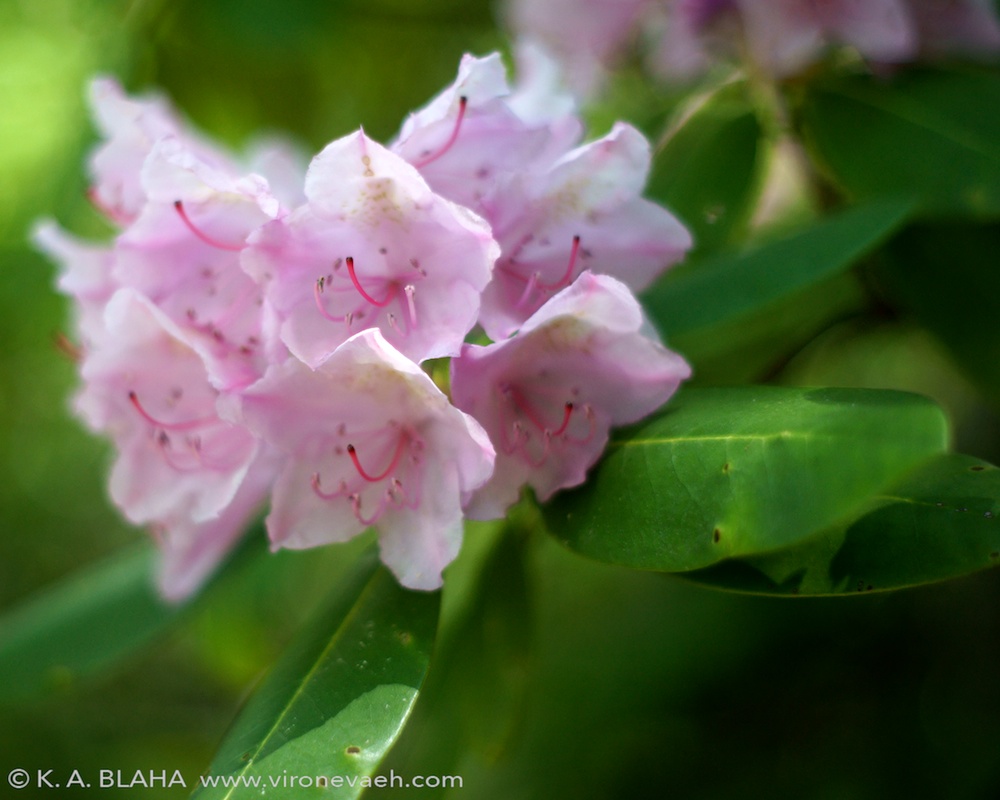
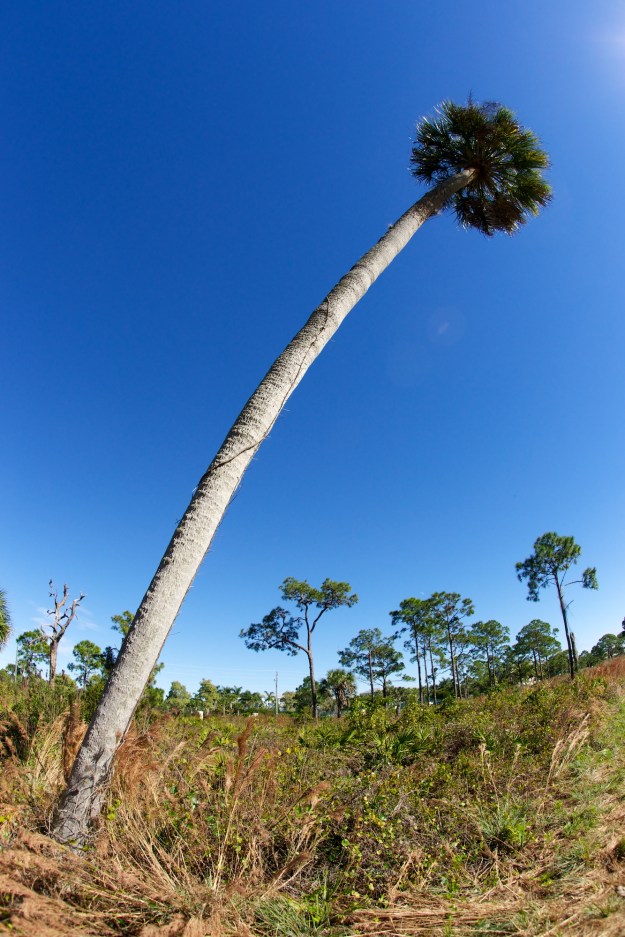
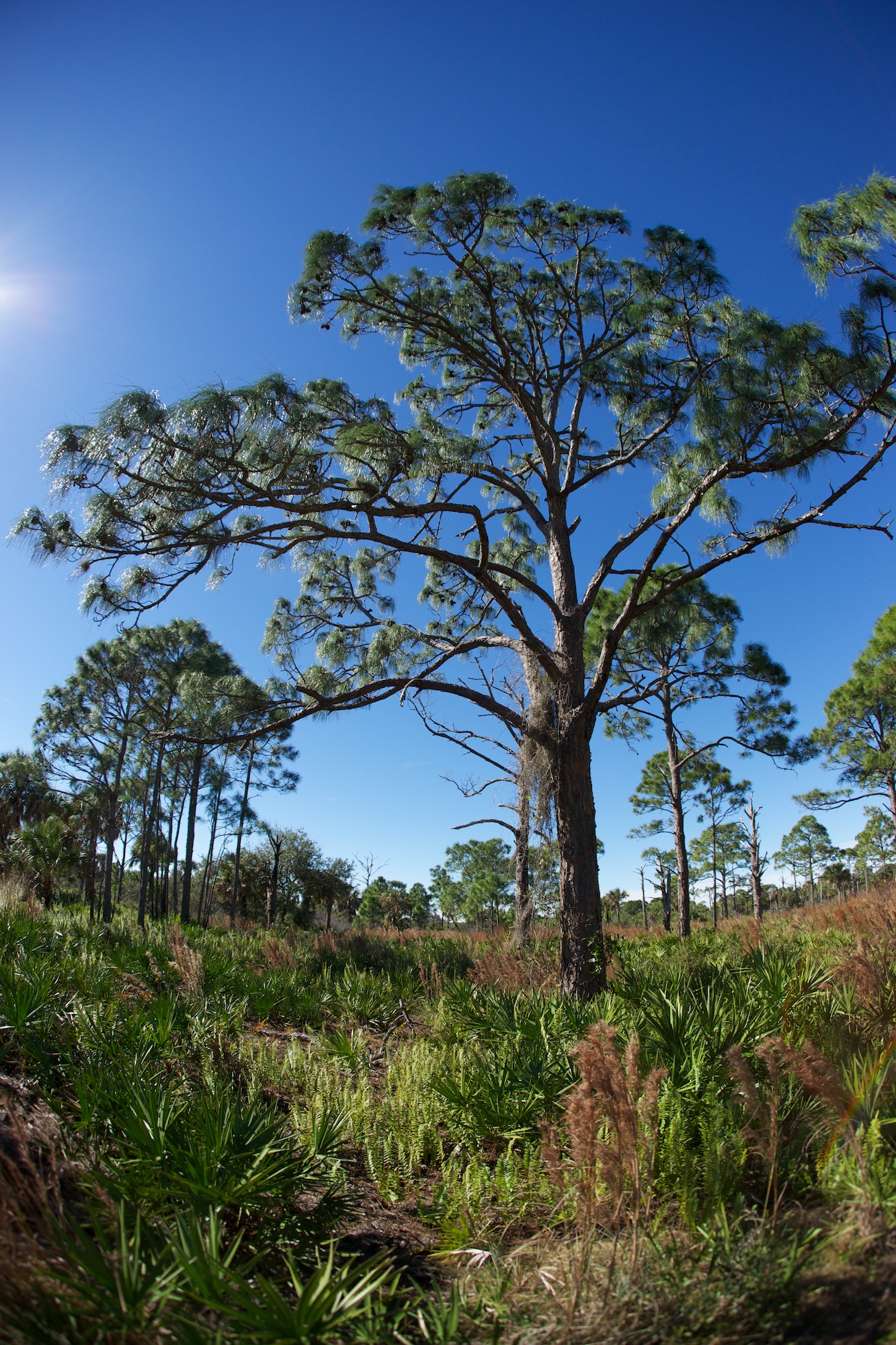
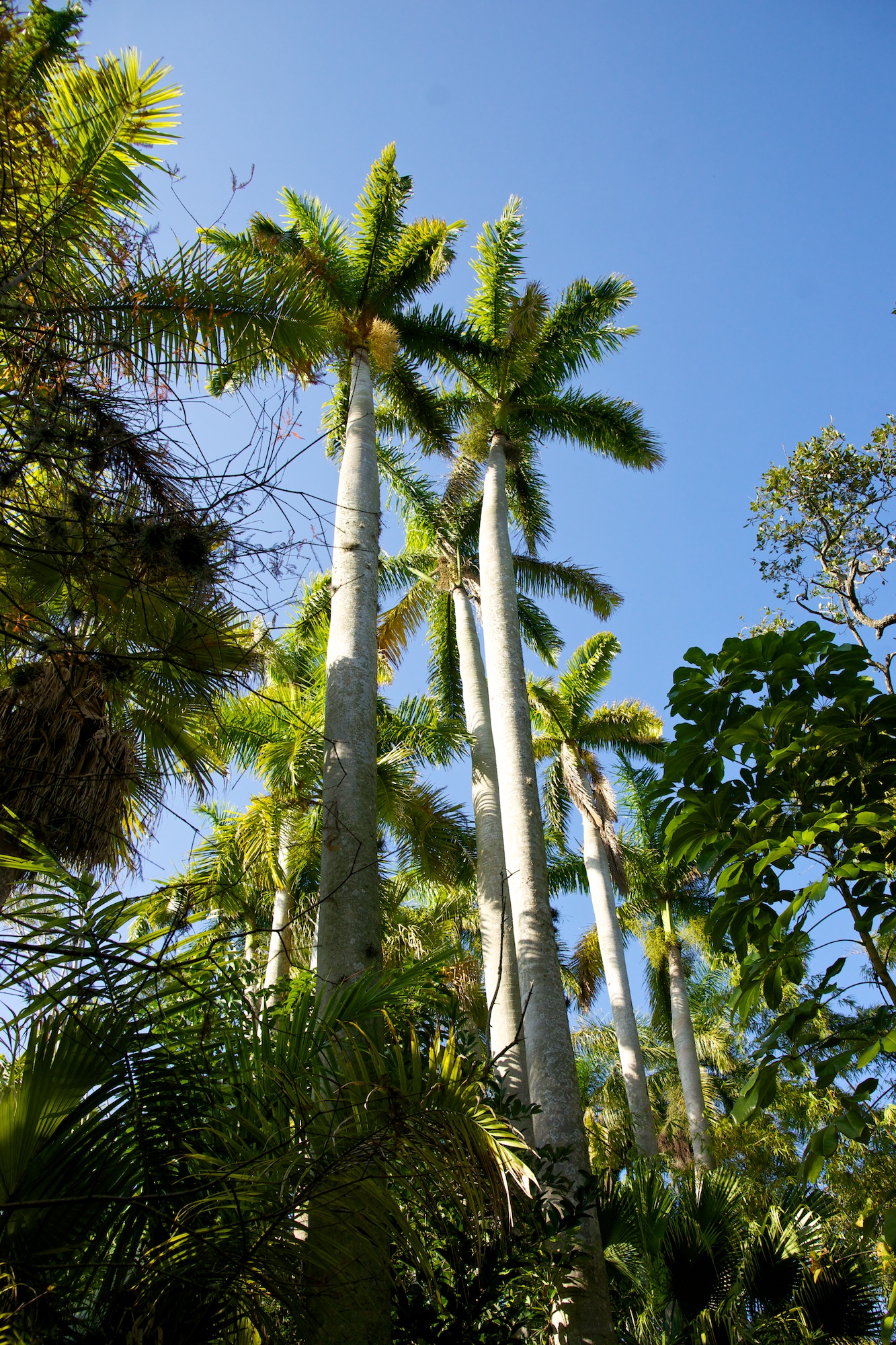
Across the street, there is a patch of Florida wilderness. Many think of groomed lawns, palm trees and bougainvilleas when they think of Florida. I think of brushy overgrowth, mangroves, and scrub. Below are some favorite pictures from an outing to wild Florida.

SONY DSCSONY DSC

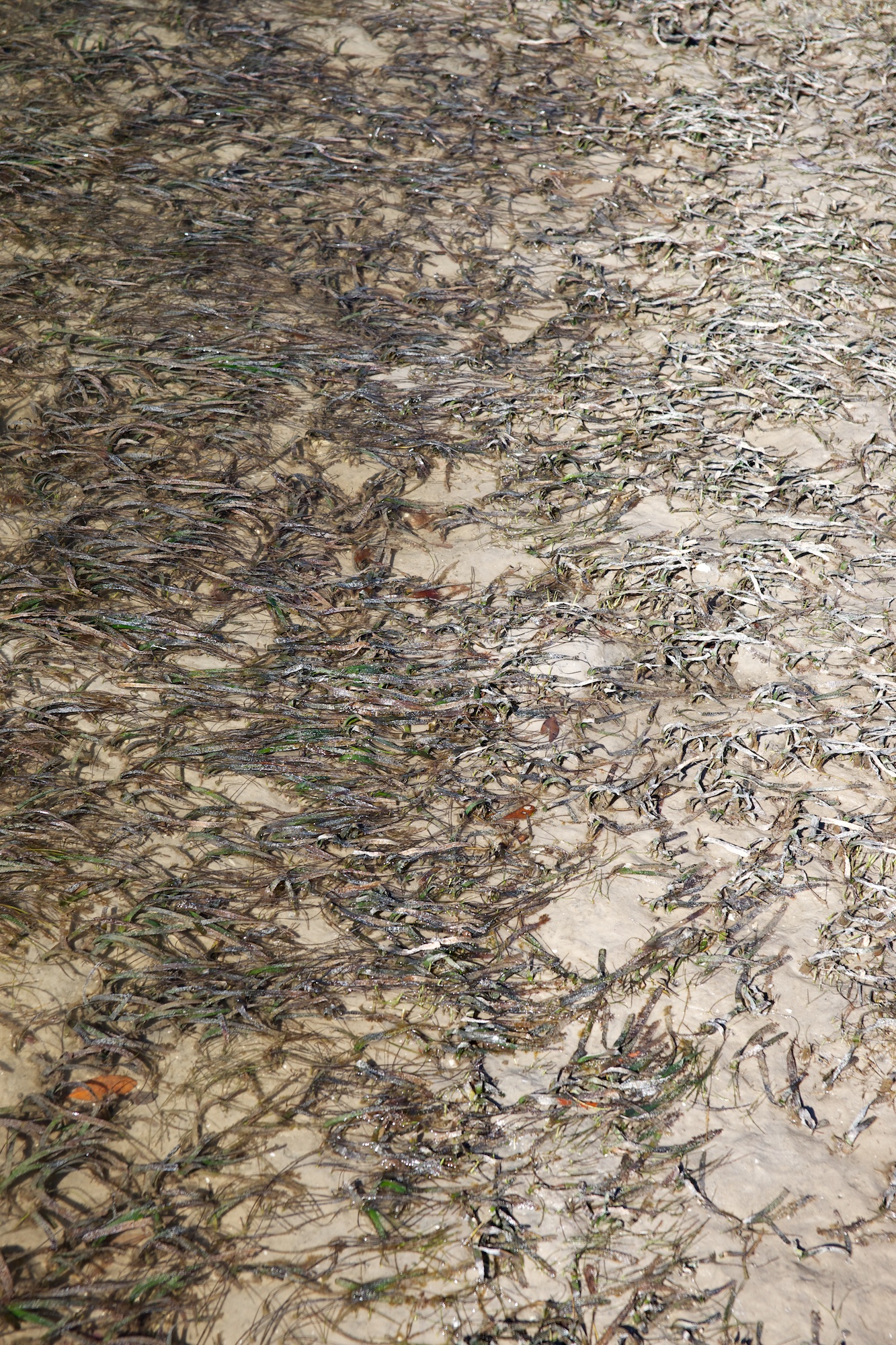
Above: the coastline at low tide. SONY DSC SONY DSC SONY DSC

Fun science: more crystals!

Months ago, I posted about the collection of crystals and minerals at the Smithsonian Natural History Museum. Well, I went again, this time armed with a nicer (and heavier!) camera, and below are a few of the finds.SONY DSC

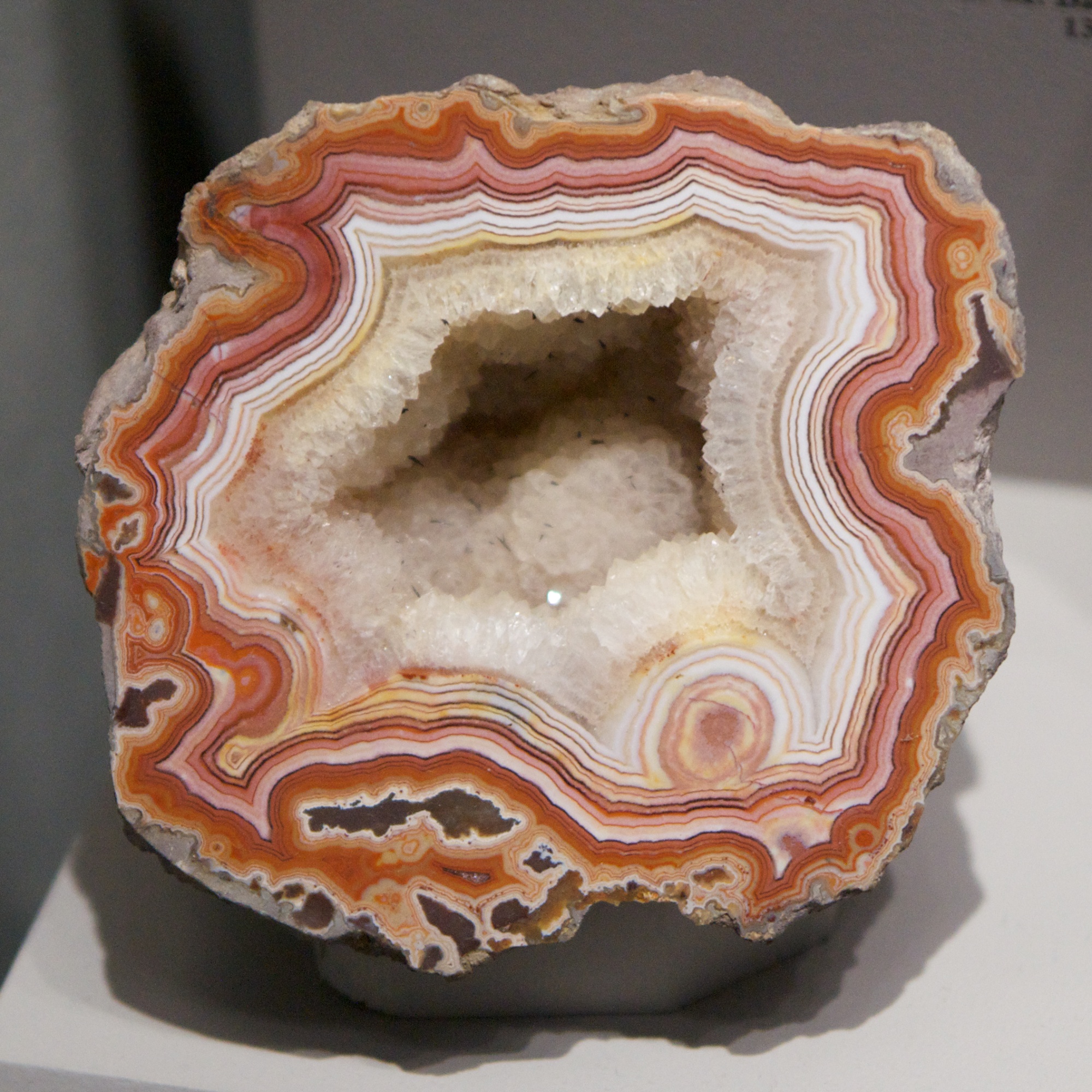
Quartz: quartz is a very common type of type of mineral (the second most common after feldspar), made up of silicon and oxygen. This variation is called agate. I used to buy agate slices as a kid, but the Smithsonian’s are slightly fancier.

SONY DSC

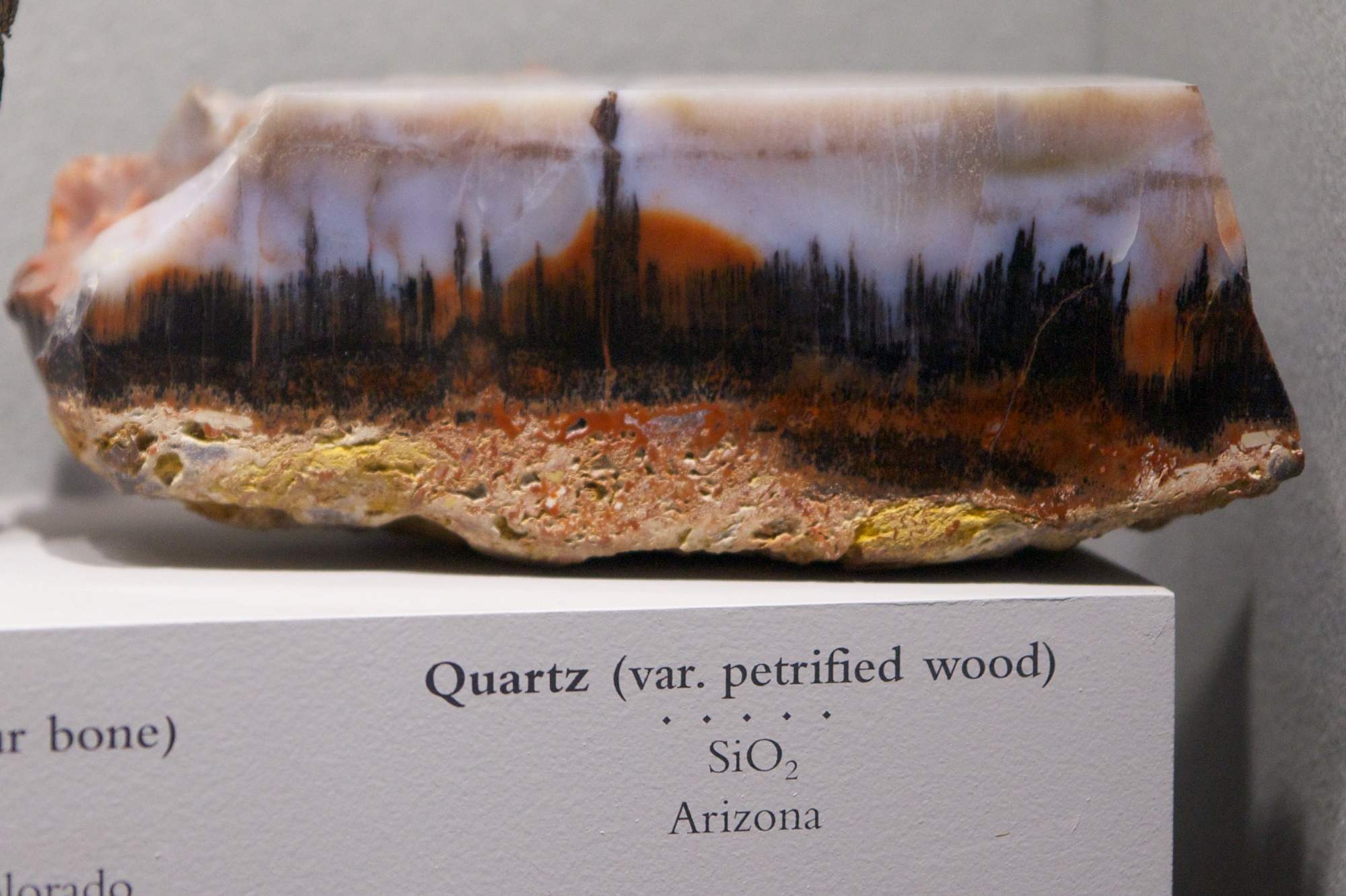
Another example of quartz. This one arose in a piece of petrified wood. I like this one because it looks like a painting of a setting sun behind a row of pine trees–almost Japanese.

SONY DSC

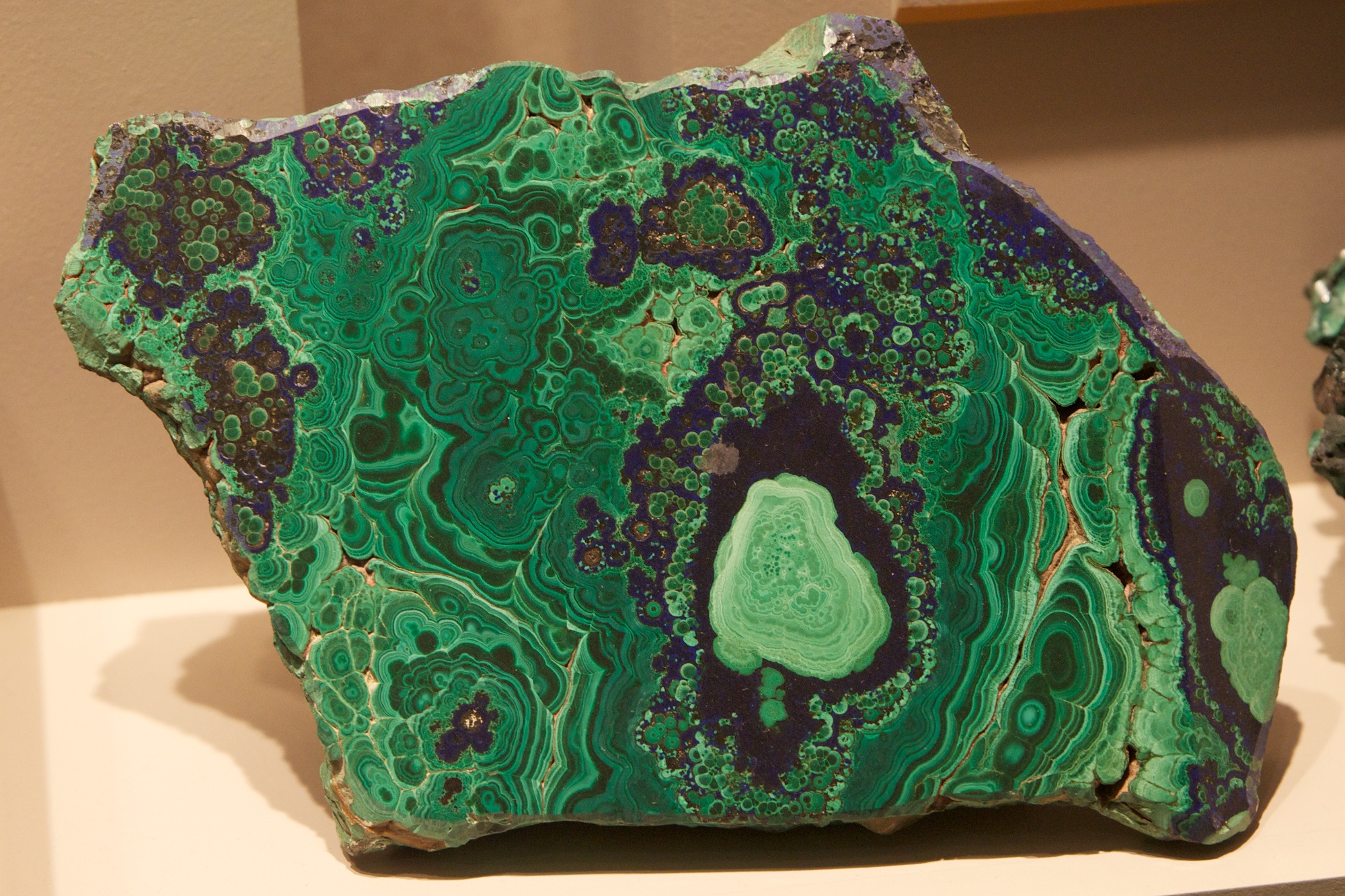
Malachite with azurite: both malachite and azurite are compounds of copper with oxygen, carbon, and hydrogen. The two differ only in the ratios. By geological standards, this rock formed somewhat quickly. We can tell this because the crystals are numerous and small. Single, large crystals form more slowly. This is why you should make ice cream at low temperatures, because when you freeze it quickly, many tiny crystals form, producing a better texture.

SONY DSC

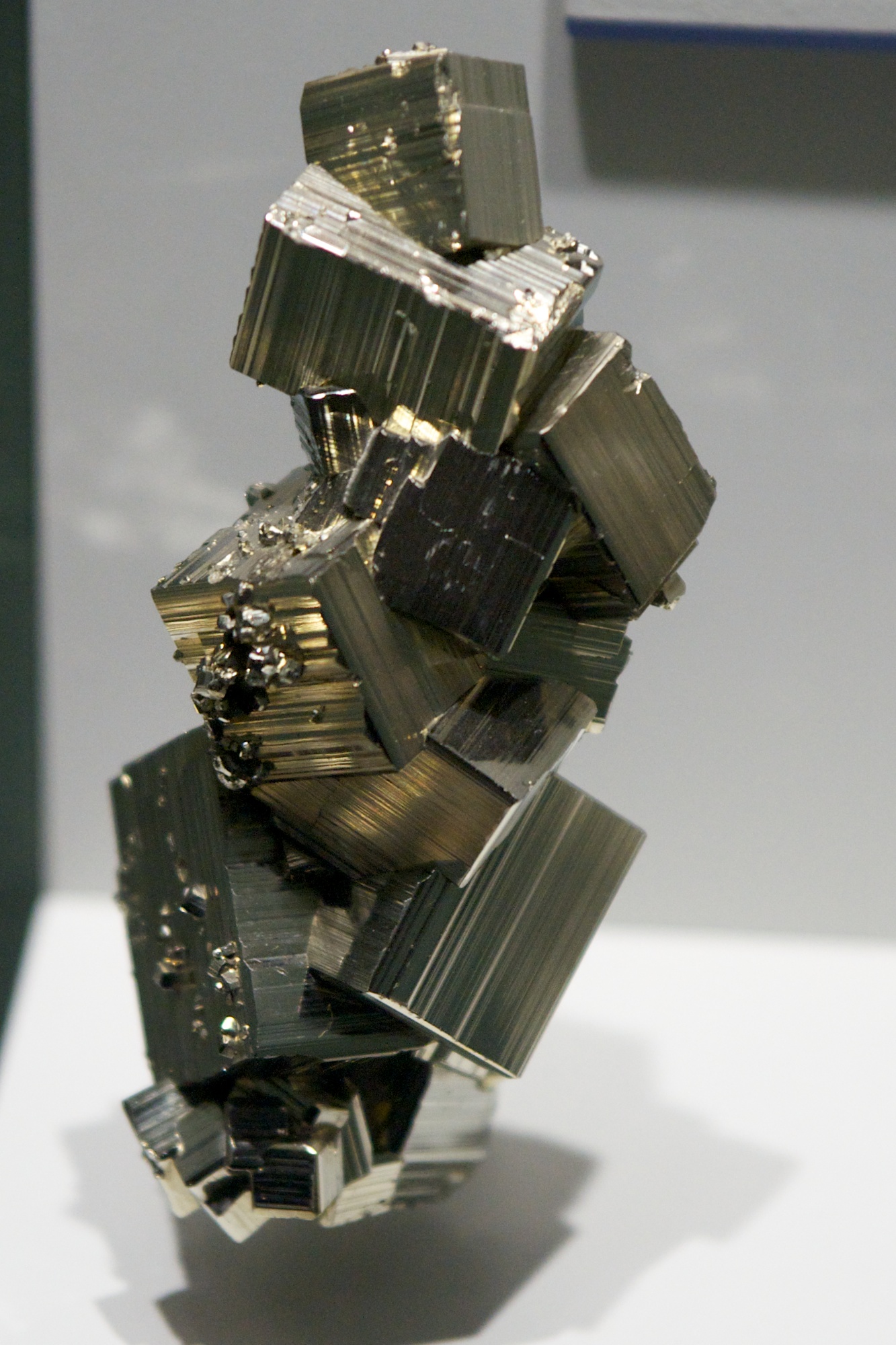
Pyrite: As you may see, pyrite, or fool’s gold, has a cubic crystalline structure. Pyrite is composed of iron and sulfur.

SONY DSC


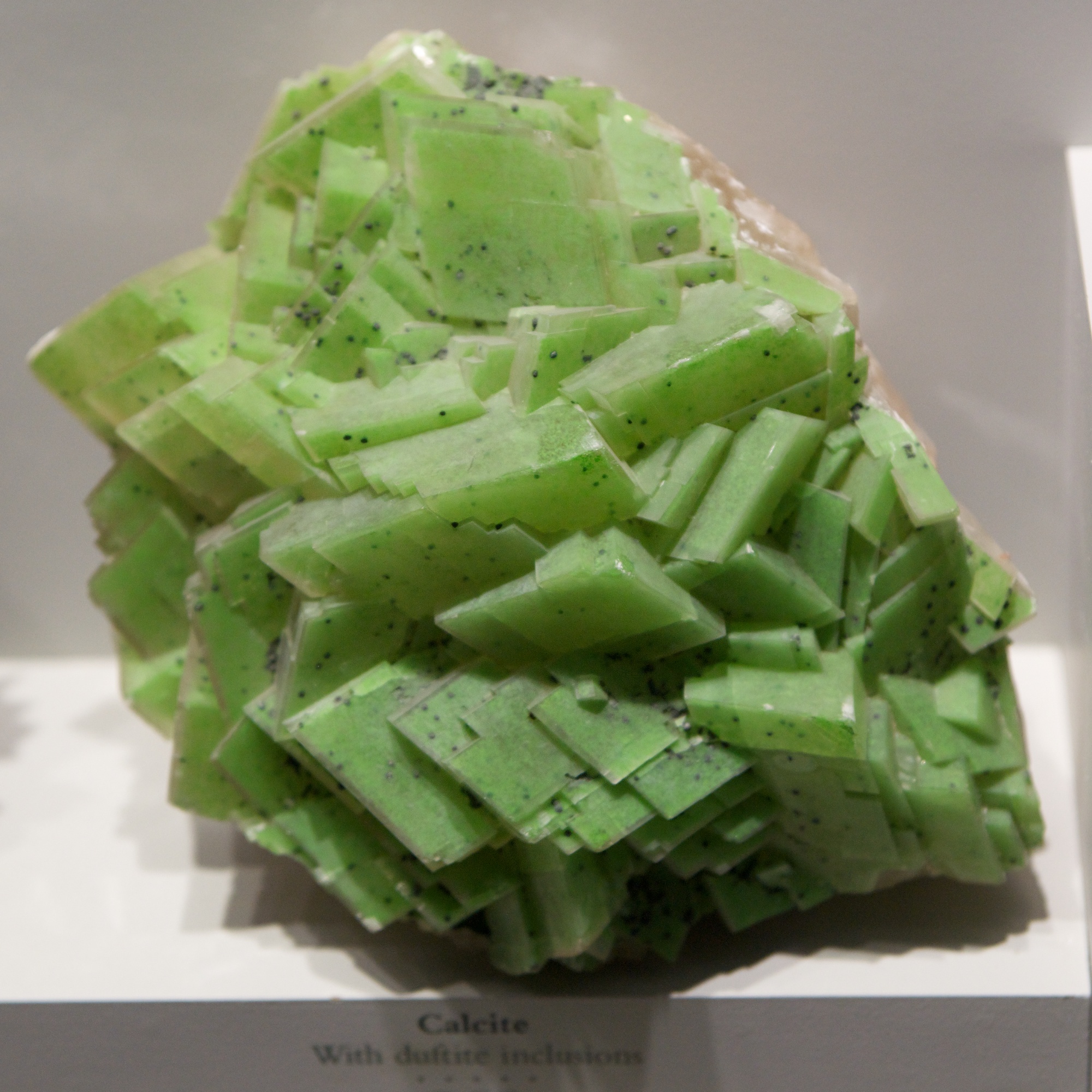
Calcite with duftite inclusions: Calcite is known for its optical properties such as birefringence. It was used as a material for gun sights in World War 2. Duftite is a compound of lead, copper, and arsenic. It is the duftite that gives the distinctive green color. I think of this as the kiwi mineral, as it even has the seeds.

Antique American Muscle Cars

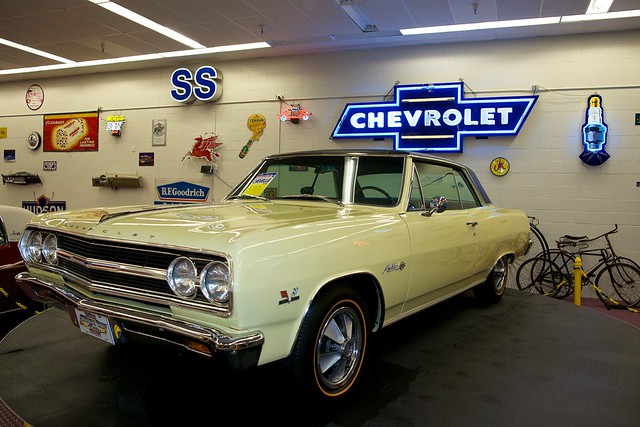
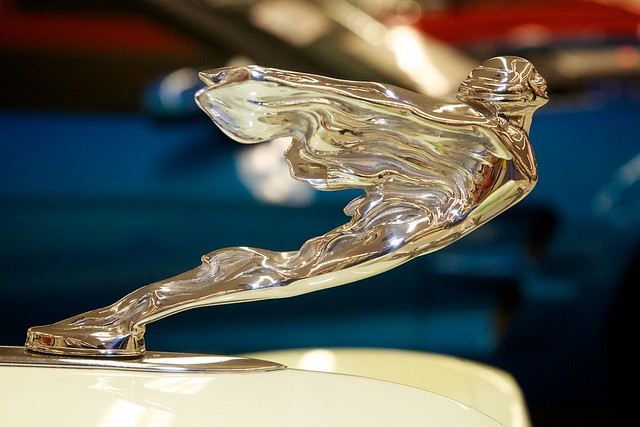
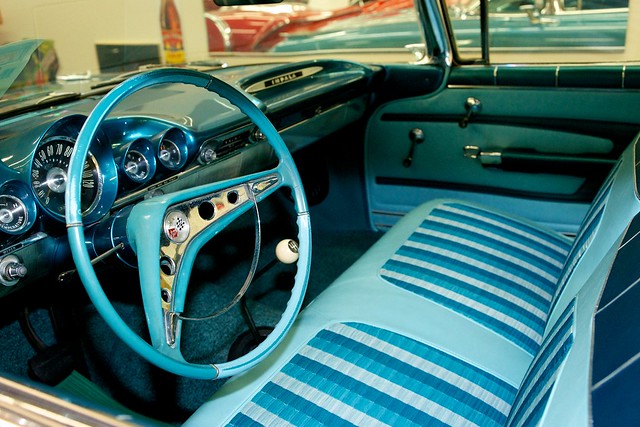
I went to a museum of American Muscle Cars in Punta Gorda, Florida. I am not a particular car enthusiast. I find the engineering intriguing as well as the design, but I just can’t keep track of all the models and companies and statistics. However, I found it a pleasure to wander through the rows and rows of beautiful cars. Even if I didn’t know their horsepower or what was special about them, I could appreciate the art in them. Check out the beautiful colors, hood ornaments, and details. Each photo below links to Flickr, or check out the whole set here.

(Picture 1: Chevrolet and vintage signs, picture 2: row of corvettes, picture 3: 1935 Cadillac hood ornament, picture 4: Chevrolet Impala convertible interior, picture 5: 1960 Chevrolet Impala convertible tail light.)

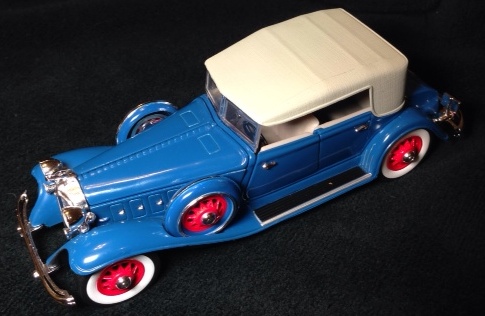
And I got a fun toy for myself too!

photo