Tag Archives: photo

Merging photographs

Lately I’ve been improving my Photoshop skills with courses from Lynda.com. If you want to learn a design program, I strongly recommend them. In a year, I’ve learned so much about Photoshop, Illustrator, InDesign, Lightroom, JavaScript, CSS, photography, and more. In Photoshop alone, I learned way more than I figured out in 15 years of experimentation.

With my new learning, I’ve been able to breathe new life into old photos. Over the past several years, I took numerous sets of photos that I intended to turn into panoramas and HDRs, but then I could never get them to look right. With newfound skills come newfound confidence. Check out these beautiful images!


moab-composite-302

American Southwest near Moab, Utah at sunset. Assembled from 40 24-megapixel images captured with a Sony Alpha 100. When it was assembling, it tied up over 100 gigs of space. This version is 1500×557 pixels; the full size is 19,000 x 7,000!

moab-composite-302-zoom-detail

Detail from above photo, center-left at horizon.

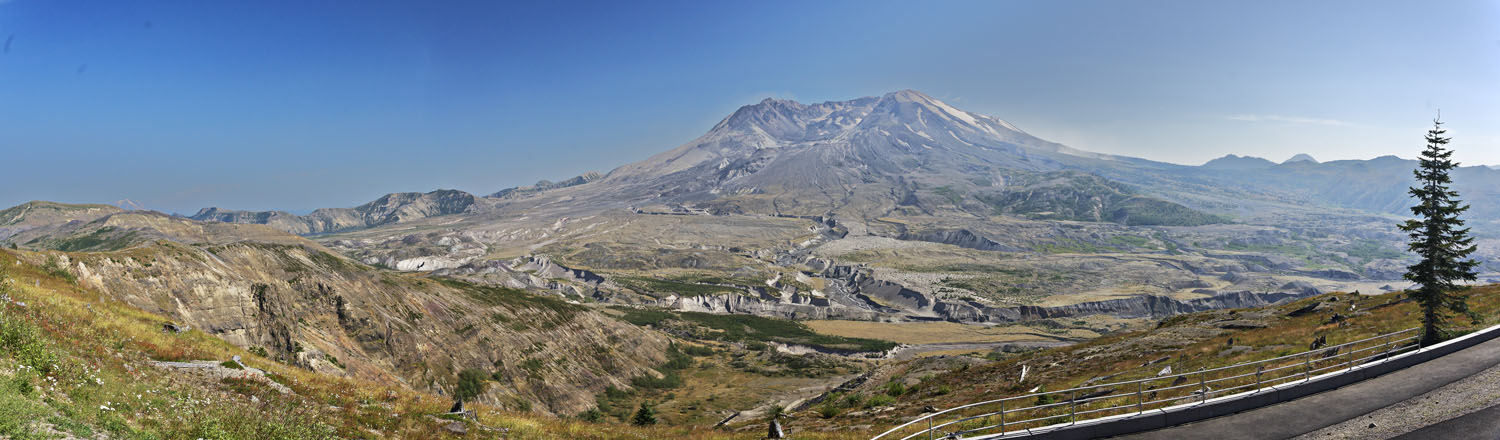
SONY DSC

Mount Saint Helen’s in Washington state. Assembled from 6 24-megapixel images from a Sony Alpha 100.

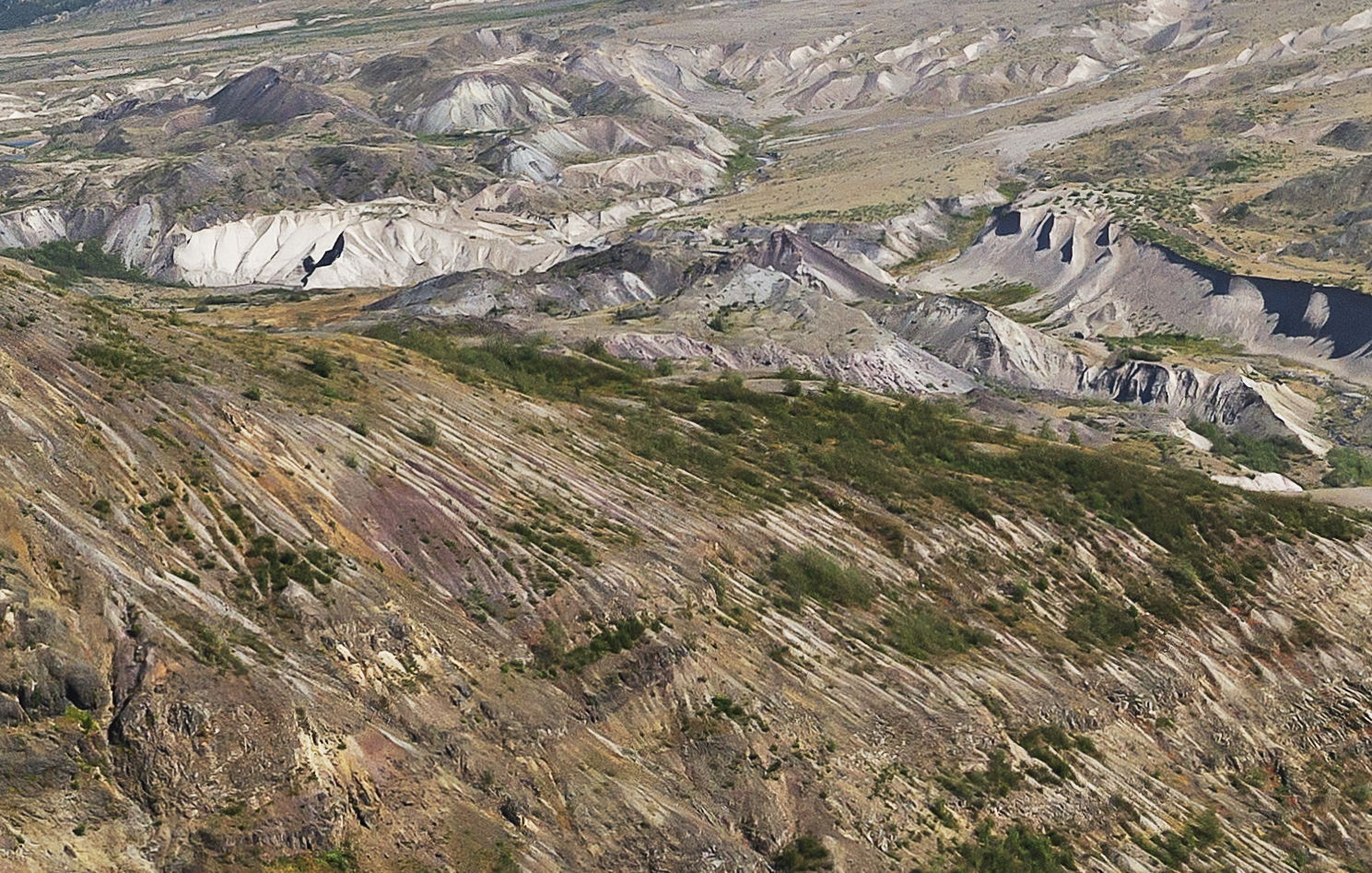
SONY DSC

Detail from above photo, center left.

SONY DSC

Waterfall in Central Virginia along the Blue Ridge Parkway. High dynamic range image assembled from five slow-exposures. Smart sharpen and high pass filters to add sharpness and clarity.

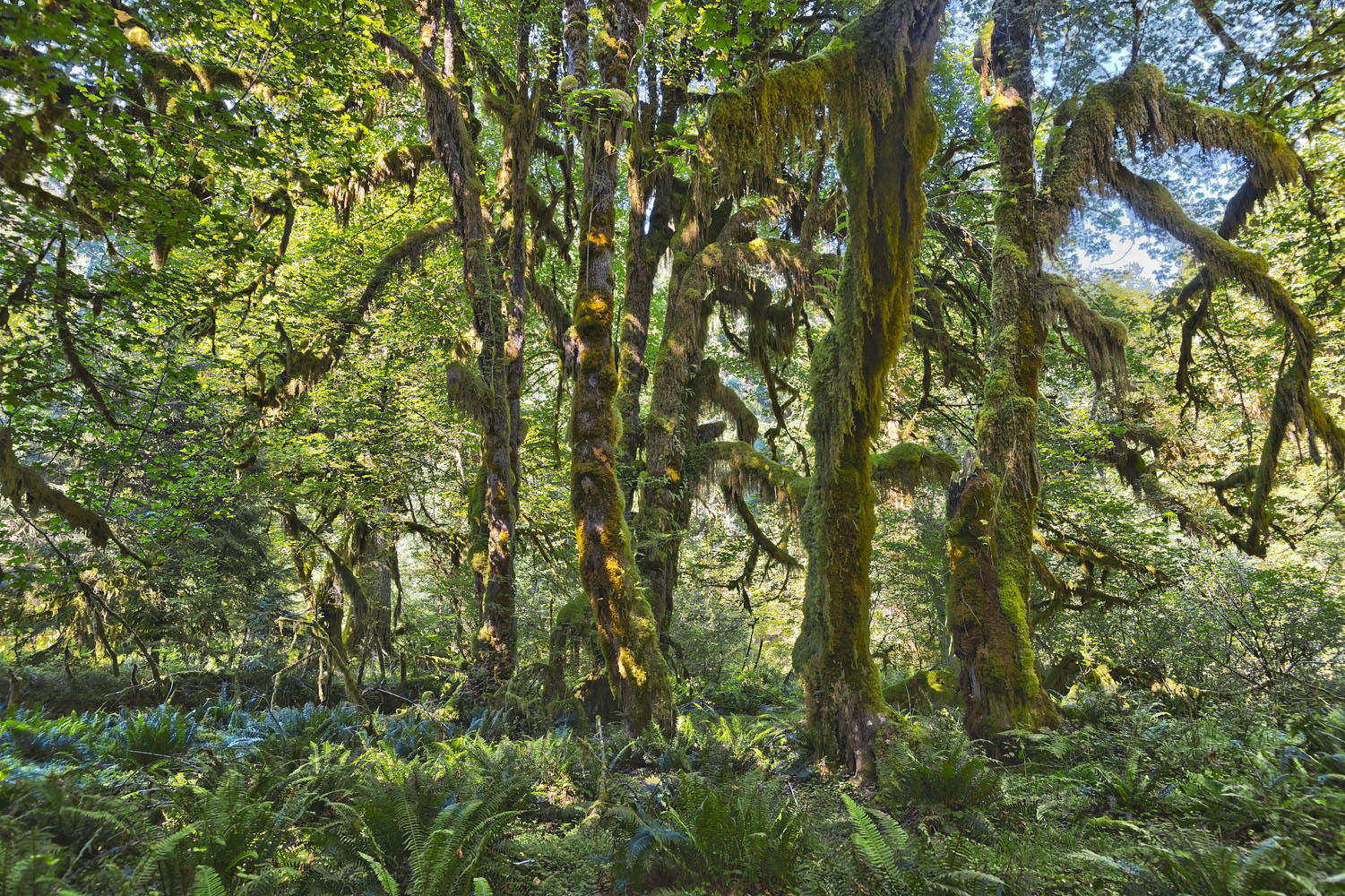
SONY DSC

Rainforest in Olympic National Park. Before assembly, I reduced noise and applied lens corrections. High dynamic range image assembled from five exposures. Smart sharpen and high pass filters to add sharpness and clarity.


Chester the puppy

Chester is my aunt’s new twelve week old puppy, a mix of golden retriever, lab, and wire-haired terrier. He loves people, and he’s remarkably patient and well-mannered for a puppy. He’s very inquisitive; when I was playing piano the other day, he patiently sat and watched. Right now he’s making the transition between living teddy bear and small dog.

chester-03101 chester-03104 chester-03114 chester-03122 chester-03189 chester-03217

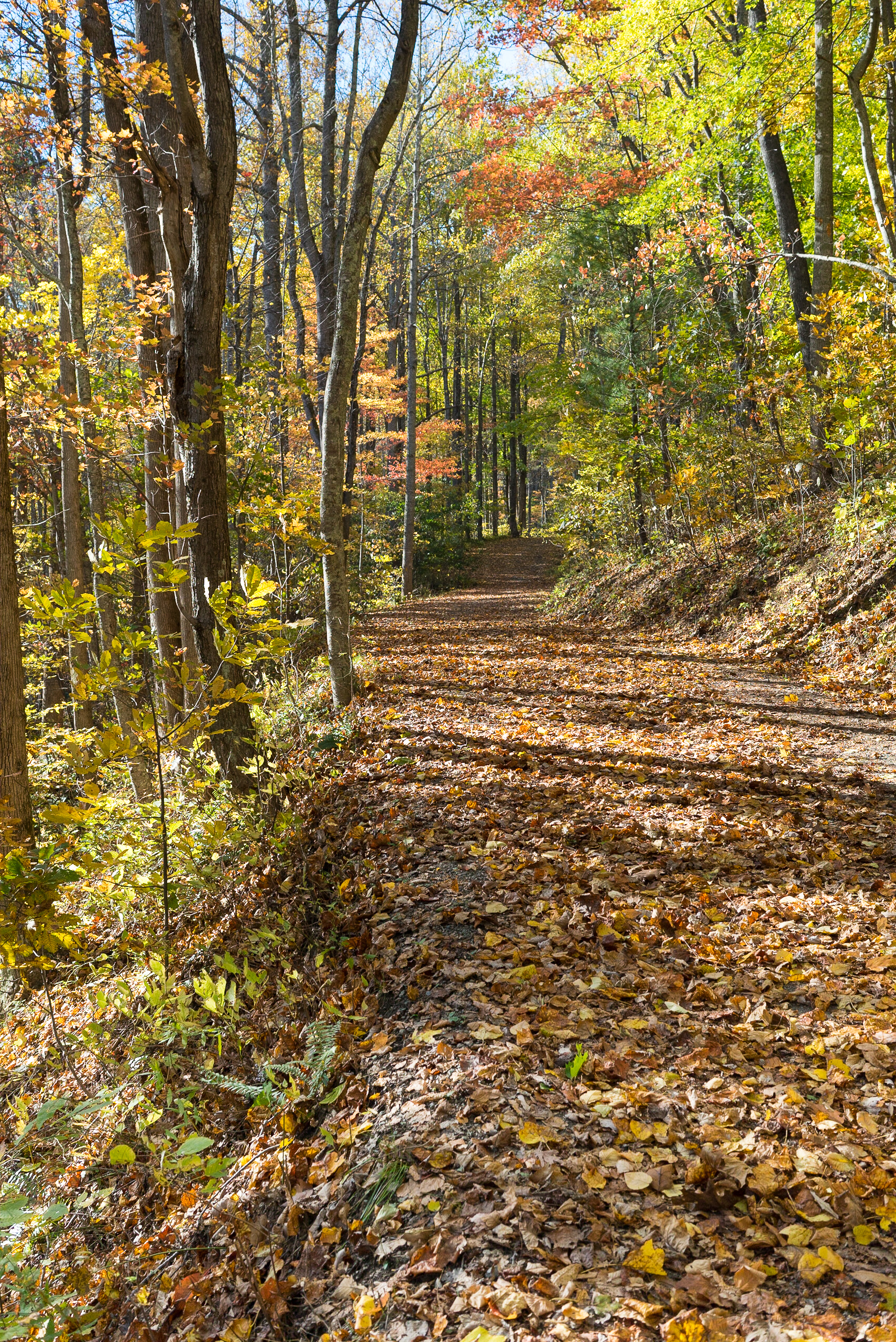
Hiking in the Appalachians


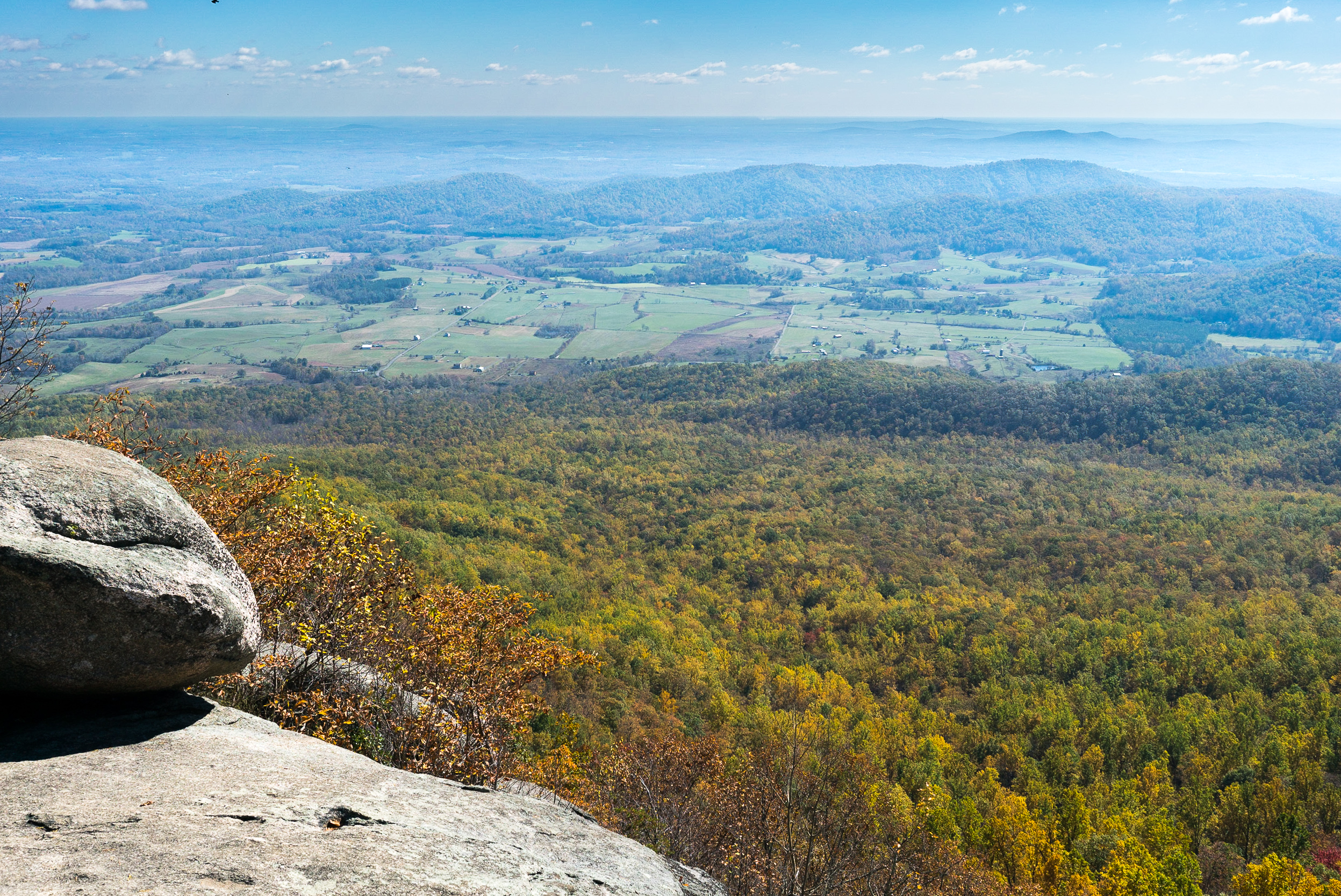
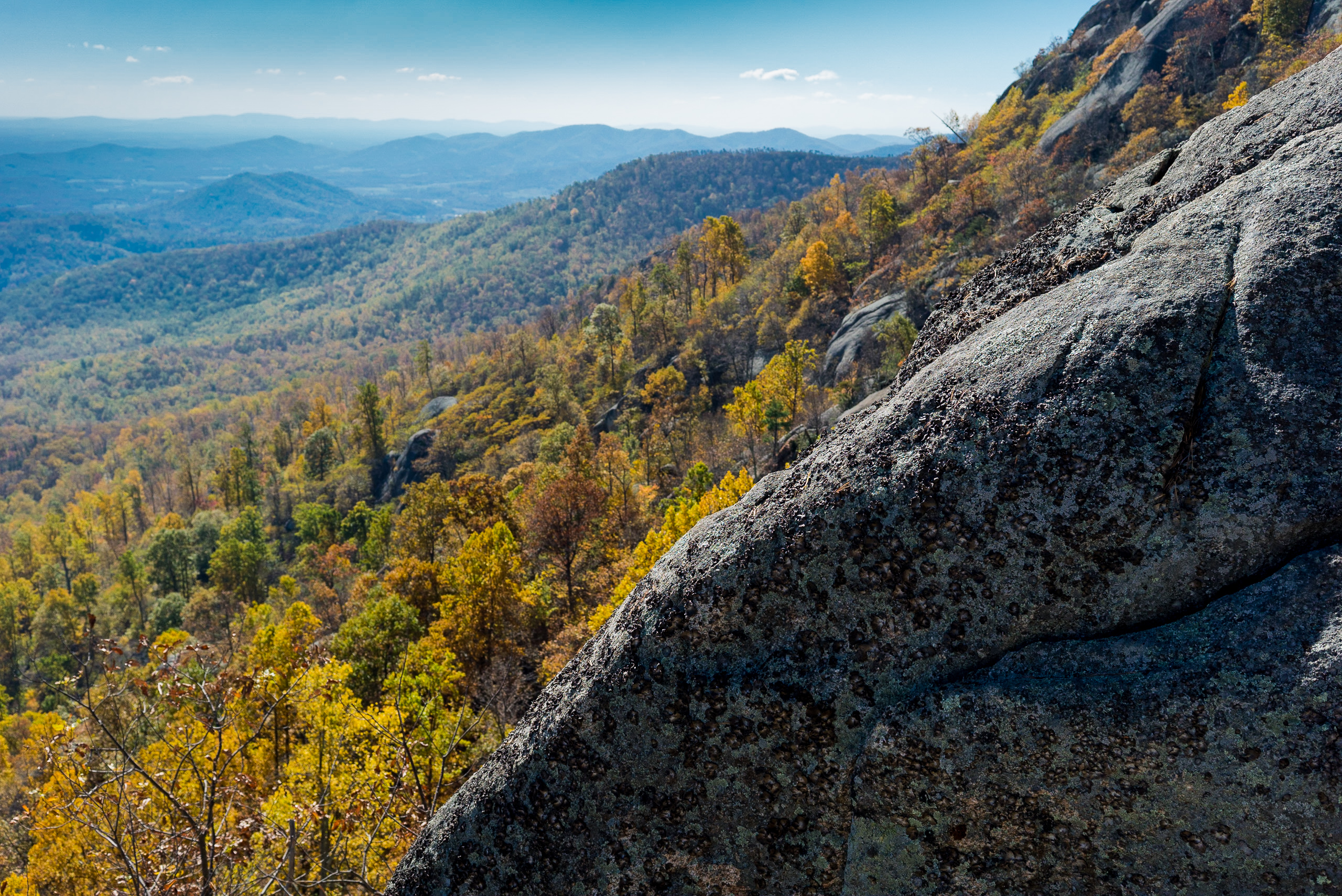
One of the most popular hikes in Virginia is Old Rag. It’s a 9 mile loop that climbs up and down Old Rag Mountain, including rock scrambles and plenty of elevation. In autumn, it is especially beautiful, however the trails were covered with damp leaves and occasionally very slick. My legs were putty the next day, but as you can see, the views were worth it.old-rag-00947 old-rag-00960 old-rag-00973 old-rag-00985 old-rag-01079

The beautiful Library of Congress

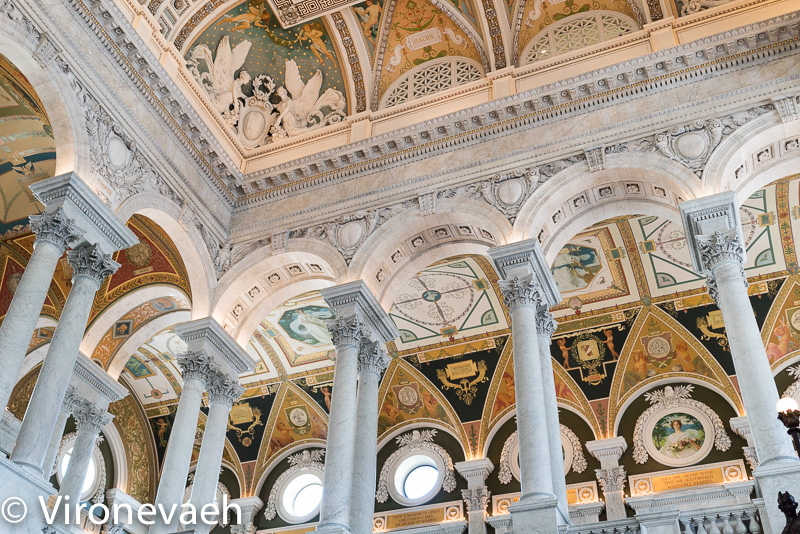
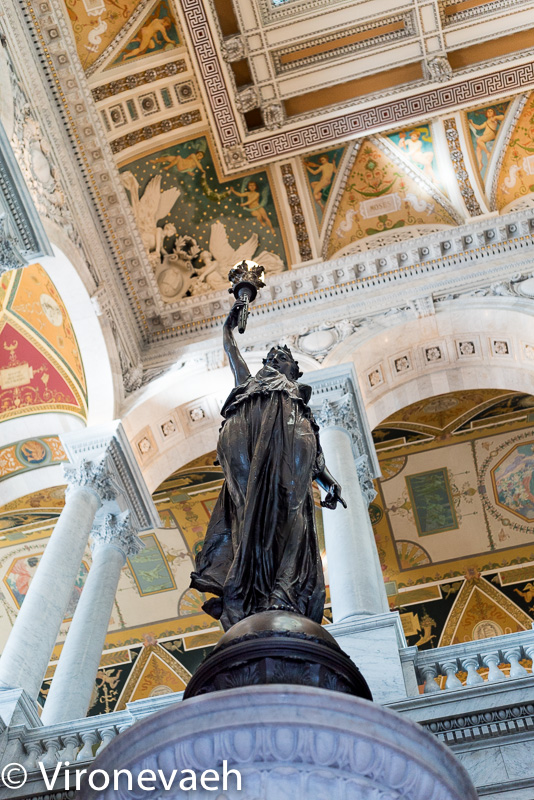
The Thomas Jefferson building of the Library of Congress is just across the street from the Capitol building in Washington DC. It may be the most beautiful building in the world. Completed in 1898, it is covered in sculptures and murals portraying gilded age ideals; one section of painting shows personifications of the various scientific disciplines from astronomy to biology.

If you are a fan of art nouveau works, as I am, the Thomas Jefferson building is almost overwhelming, draped from head-to-toe in exciting color and design. Below are just a few of the pictures I took. Additionally, the library houses several excellent rotating exhibits. DC has a lot of great institutions to visit, and Library of Congress should definitely be one you seek out.

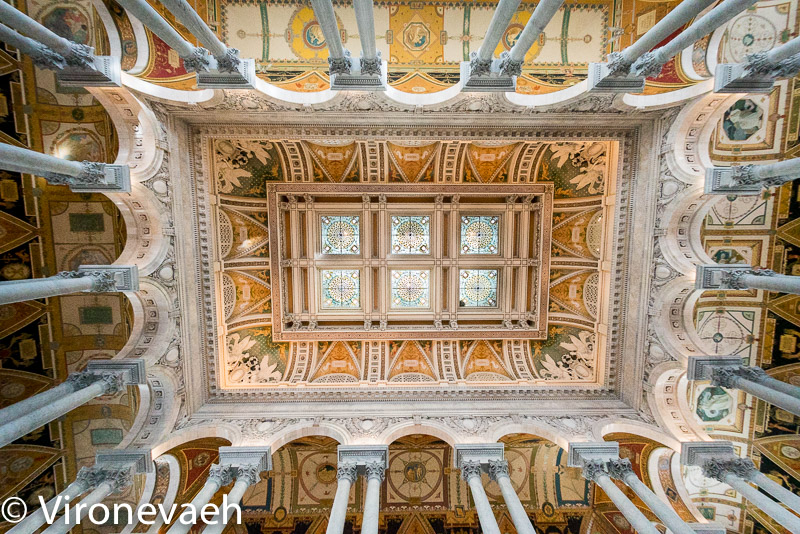
LOC-00708

Ceiling of the Great Hall

LOC-72

Skylights of the Great Hall

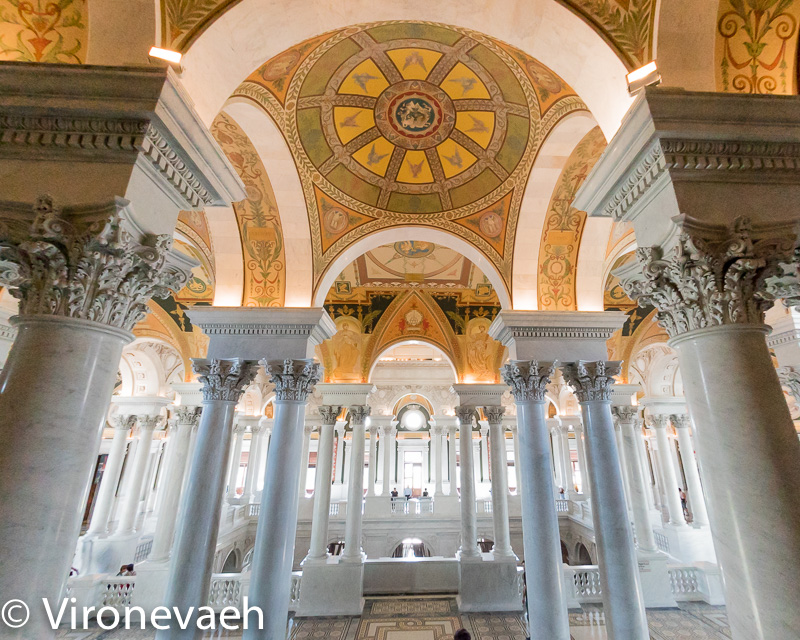
LOC-00787

Looking across the Great Hall

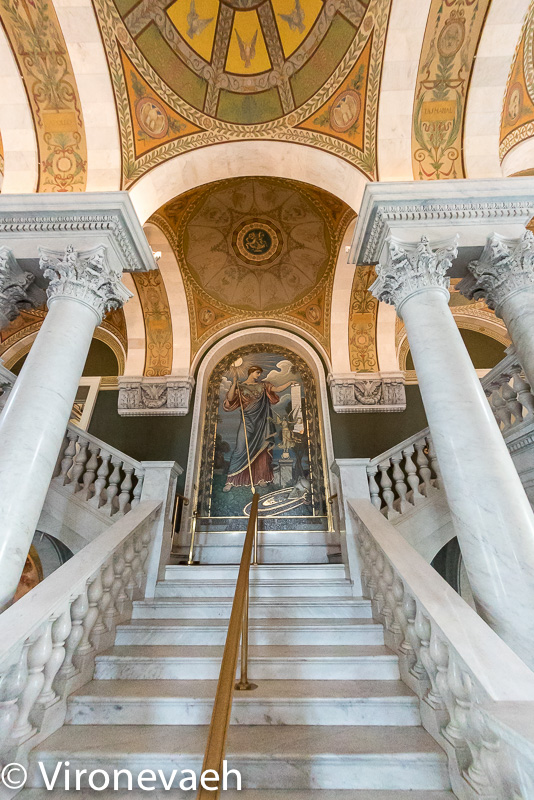
LOC-00778

Mosaic, Minerva of Peace, by Elihu Vedder

LOC-00753 LOC-00750

Kitties at the shelter

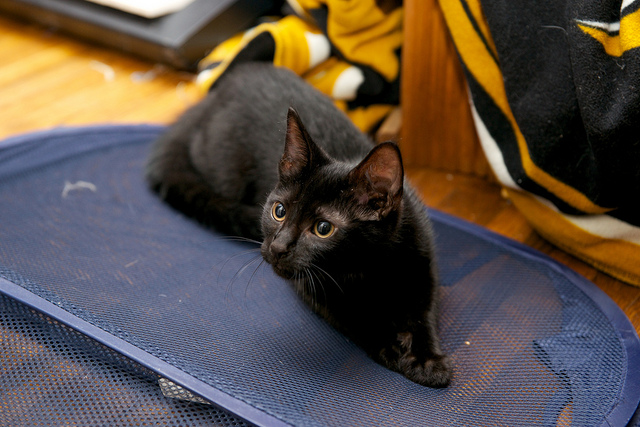
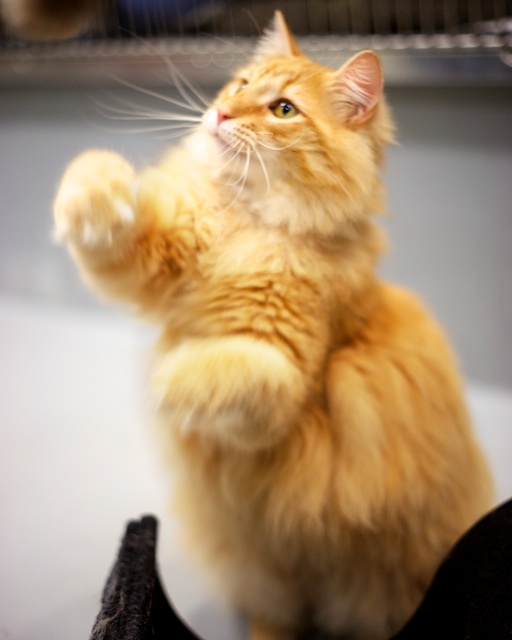
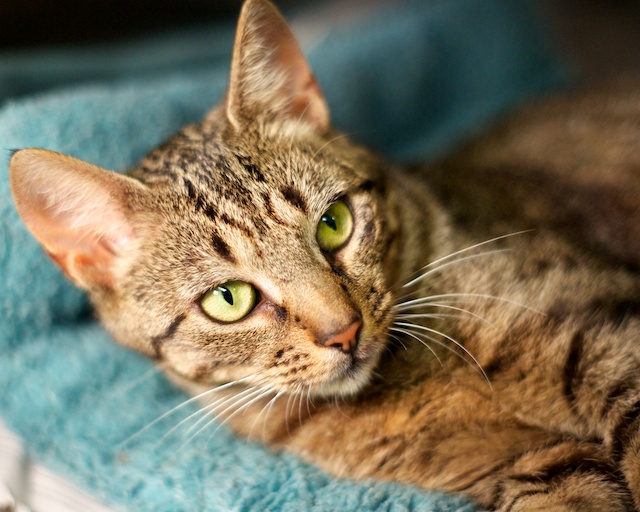
I volunteer at the SPCA. Once a week, I go socialize the adult cats. Just in our small community, there must be over 100 cats at our shelter.

I appreciate my own cats more after volunteering. The shelter is one of the nicest I know of, but it is still a stressful life for a cat. Cats are used to having space and a certain amount of solitude. The shelter is not this.

Each cat gets socialized each day. For most cats, this involves going out of the cage, but some are too fearful to come out. The most confident and at ease still only get out for six hours a day. At best, they spend 18 hours a day in a small cage, and the other six sharing a room with dozens of other cats, some of whom are hostile or fearful.

After spending time with these stressed cats, it is such a pleasure to come home to a cat whose belly I can rub, who purrs by the food dish, who begs by the front door. It’s a reminder of how much we improve their lives and how much they improve ours. I can come home and scoop up Belia if I had a frustrating day (if I’m willing to endure the whining). I can watch Erg jump five feet into the air, trying to rip the catnip from my hand. I can sit on the couch and whistle to Belia (and if I keep whistling it, receive a warning bite). We provide one another with constancy and rhythm and a companion.

We get to see the cats progress at the shelter. One cat tried to enter any open cage, even if it wasn’t her own, just to get off the floor; the next week she played with toys and explored for hours. A second cat no longer hisses at my ankles every time I pass. Another will finally come out of his cage. We get to see cats that were so shy open up and get adopted. Working just a little bit with the many personalities of cats makes me appreciate and admire teachers and people who work with troubled people. People are amazingly more complex, and the work all the more needed.

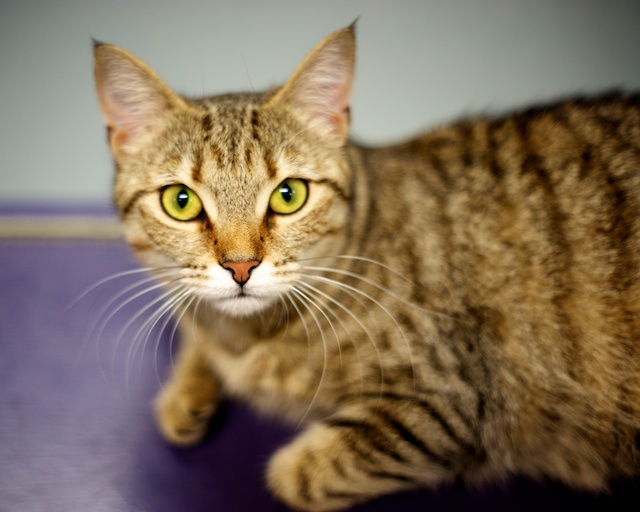
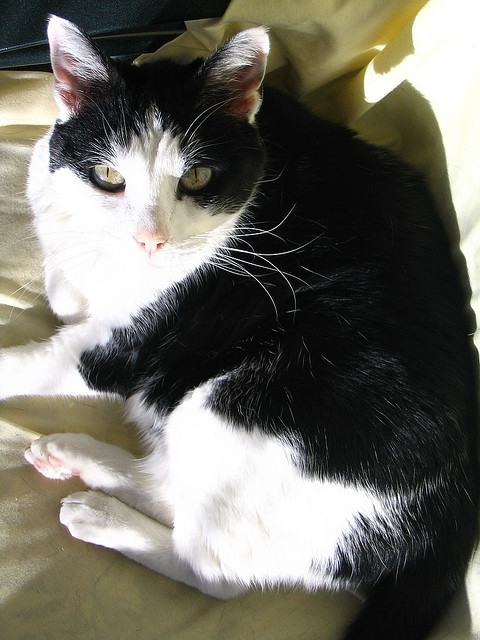
I’ve been taking pictures of some of the shelter kitties, to supplement pictures of my own kitties, to help with their adoption, and to practice photography. Take a look at some wonderful adult kitties. There are probably some awesome ones at your local shelter. With an adult cat, their personality is developed, whether it be lapcat or mouser or couch potato or shy sweetie. At our shelter, the volunteers know the animals, and this is probably the case in many places. Even if adoption isn’t in the cards, as it isn’t for me, take a look at some cats.

SONY DSC1538066592_6245cb2335_z 4816452094_410cbe5bb2_z 6044415372_c2112b18ae_z SONY DSC SONY DSC SONY DSC SONY DSC SONY DSC SONY DSC

Technology and art in the rail photography of O. Winston Link

If you are interested in rail photography, or if you’re like me and really never gave it a thought, the O Winston Link photography museum in Roanoke, Virginia is a fascinating visit. O (short for Ogle– I think I’d go by the initial too) Winston Link photographed steam locomotives in the 1950s, at the very end of their widespread use. The Norfolk and Western rail lines he snapped ran through Virginia, West Virginia, Kentucky, and other parts of the coal belt of Appalachia.

In his photographs, Link captures the end of a powerful technology, but he also captures life in 1950s Appalachian rail towns. People play in a pool twenty feet from a roaring locomotive. People read in their living room with a cat sleeping on their lap as a train passes the window. Folks chat on a porch as the N&W rolls past. In the image below, the train passes a drive-in movie.

Hotshot Eastbound, by O. Winston Link.

Link captured images with such technical precision that they would still be difficult shots today, barely possible without rare equipment until very recently. Link was a civil engineer, hired out of college as a photographer; during World War 2, he used his scientific and photographic backgrounds at the Airborne Instruments Laboratory.

Link’s railway shots rely heavily on both science and photographic techniques– in order to better control the lighting and thus the composition of his photos, he often shot at night. Because, he said, “I can’t move the sun — and it’s always in the wrong place — and I can’t even move the tracks, so I had to create my own environment through lighting.” This required the use of flash bulbs, one-use bulbs that burned metal to produce brief, intense illumination. According to the museum, one of his shots alone used illumination equivalent to 10,000- 100 watt light bulbs, although that light only lasted for a moment. Reading that, I wondered what the experience was like for the train conductor, driving through nearly black rural Virginia, when light so bright it might as well be lightning flashes. His first power source was too unreliable, and so he designed his own power source. Link invested $25,000 into the unpaid project, closer to $125,000 in today’s currency.

As someone who dabbles in photography, the difficulty of Link’s task and the quality of his work (60 years ago!) deeply impressed me. Bear with me as I explain some technical details of modern cameras to convey the awesomeness of Link’s work. Today, we might just be able to reproduce such shots without flashbulbs due to advances in digital photography. Flash bulbs (using combustion) are still brighter than any modern flash (using capacitors). A single flashbulb produced about 1 million lumens (the unit that measures the brightness of light) while a modern camera-mounted flash produces about 100,000. Many flashbulbs may be used at once, so the flashbulb is great for extreme illumination. Only one manufacturer of flash bulbs still exists. Their photo gallery is pretty neat.

Today, we have cameras that are more sensitive to low light, called high-ISO cameras. Camera speed, whether digital or film, is measured in a system called ISO-sensitivity. In this system, a film with double the ISO requires half the exposure time; a two-second exposure with 200 ISO film would take 1 second with 400 ISO film for the same level of exposure. In the 1950s, the fastest film was ISO 400-640. The Sony Alpha 7S, releasing in July, has up to ISO 409,600, 1024 times  faster than ISO 400. A shot requiring 30 seconds of exposure on ISO 400 would require roughly 1/30 of a second on ISO 409,600. This is really new technology; as of 2013, no ISOs above 10,000 existed.

So, in short, Link’s work is a beautiful hybrid of science and art, a testament to their combined power. Link’s scenes of rural 1950’s Appalachian life are beautiful, and remind us of the era of the man behind the lens. New advances behind the lens are happening today. What new wonders will they capture?

May Flowers and the Richmond Botanical Garden


SONY DSC


One of the great pleasures of spring is enjoying all the plants that welcome spring too. I recently had the pleasure of traveling to the Lewis Ginter Botanical Garden in Richmond, Virginia, to enjoy the simultaneous blooming of azaleas, irises, and peonies. The Lewis Ginter Botanical Garden was recently voted the second best botanical garden in the country; it’s definitely worth a visit.

SONY DSC SONY DSC SONY DSC SONY DSC SONY DSC SONY DSC

Cityscapes

Whenever I travel, I bring my camera. It remembers the little details I can’t. Then I come home and the photos take me back to those places. They are also great resources for illustration and imagining. Last week I posted some word building illustrations. When I try to imagine and build what doesn’t exist, photos of what does provide invaluable insight. Between my photos and google searches, I work toward my vision for each piece of each illustration. Below are a few favorite cityscapes I pulled out of my files. Whether from street level or from above, each provides a window into the culture of each city.

Cabo san Lucas waterfront.

Cabo san Lucas waterfront.

New York City from the Rockefeller Building.

New York City from the Rockefeller Building.

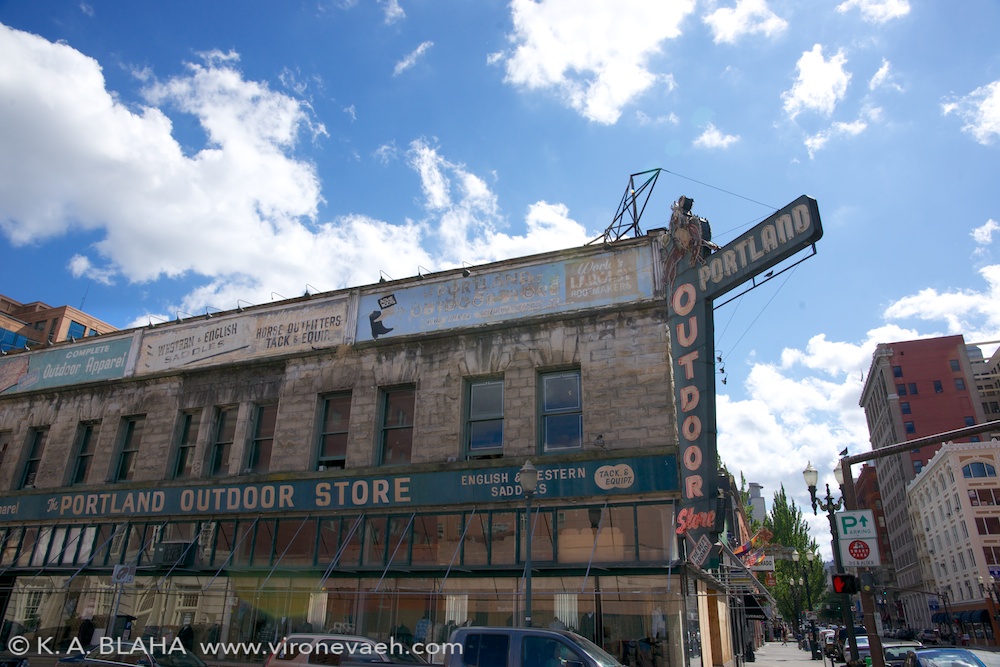
On the street in Portland, OR.

On the street in Portland, OR.

Ghent, Belgium.

Ghent, Belgium.

Bergen, Norway.

Bergen, Norway.

Prague, CZ (a place called nazdrazi holesovice, if my notes are to be trusted).

Prague, CZ (a place called nazdrazi holesovice, if my notes are to be trusted).

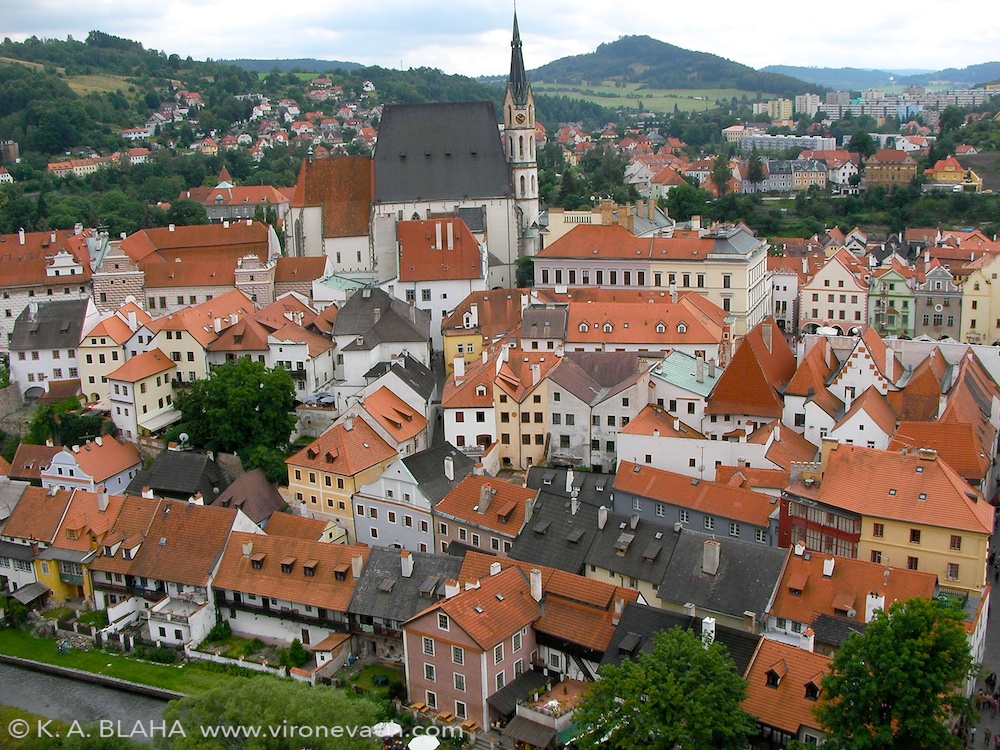
Cesky Krumlov, CZ.

Cesky Krumlov, CZ.

Baltimore waterfront.


Thoughts of warmer places

Here in the mid Atlantic, last week’s snow melts and compacts on the ground. It looks great when it falls, but it grows messy and treacherous quickly. But it is February, and the days grow longer. Soon they must grow warmer too. But in the meantime, this time of year, I like to fondly review photos from warmer places.

SONY DSC

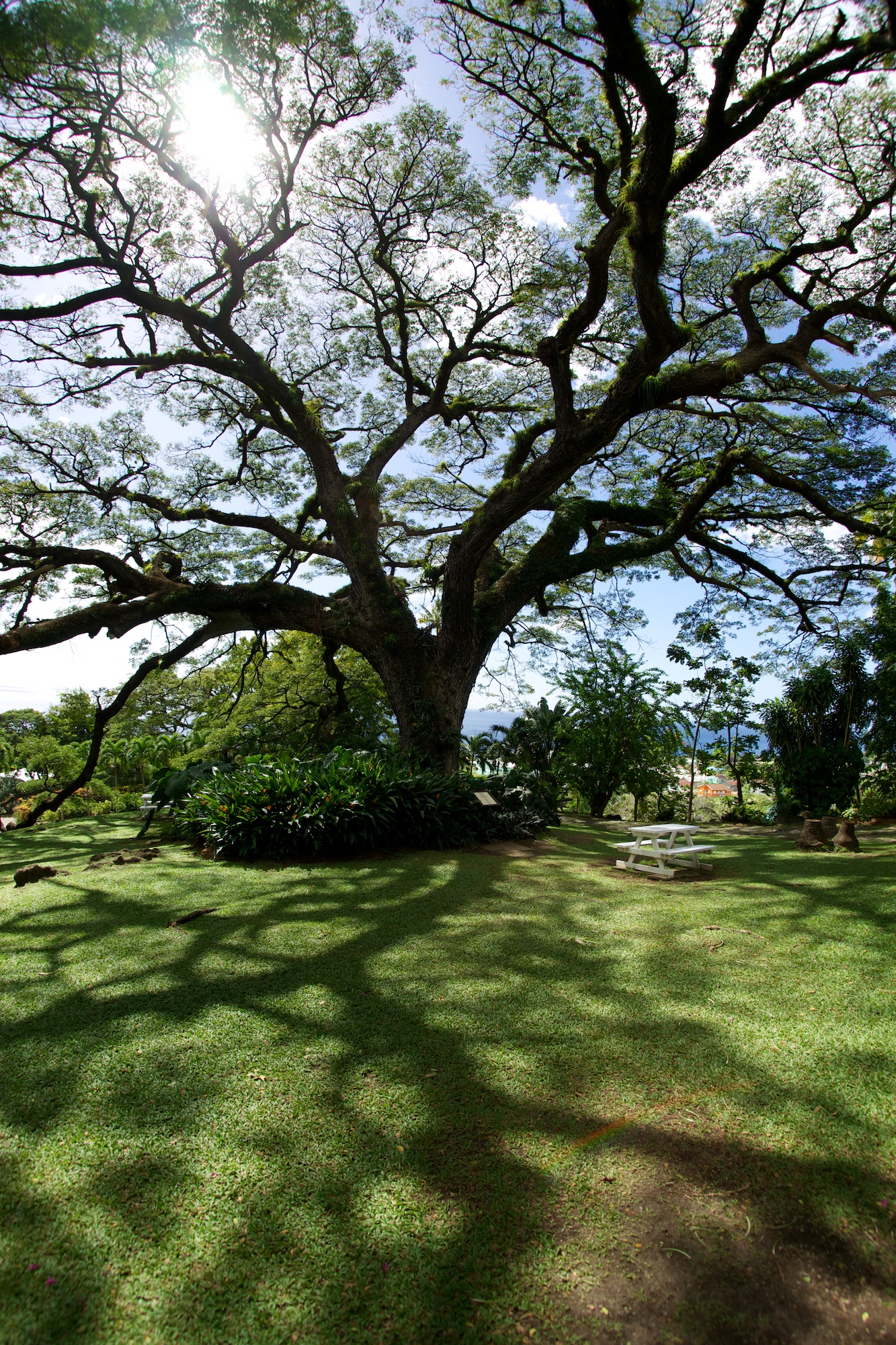
Old Anglican church on St. Kitts.

Old Anglican church on St. Kitts.

St. Kitts, looking toward Nevis.

St. Kitts, looking toward Nevis.

Jungle in St. Lucia

Jungle in St. Lucia