Tag Archives: art

Creatures on Parade

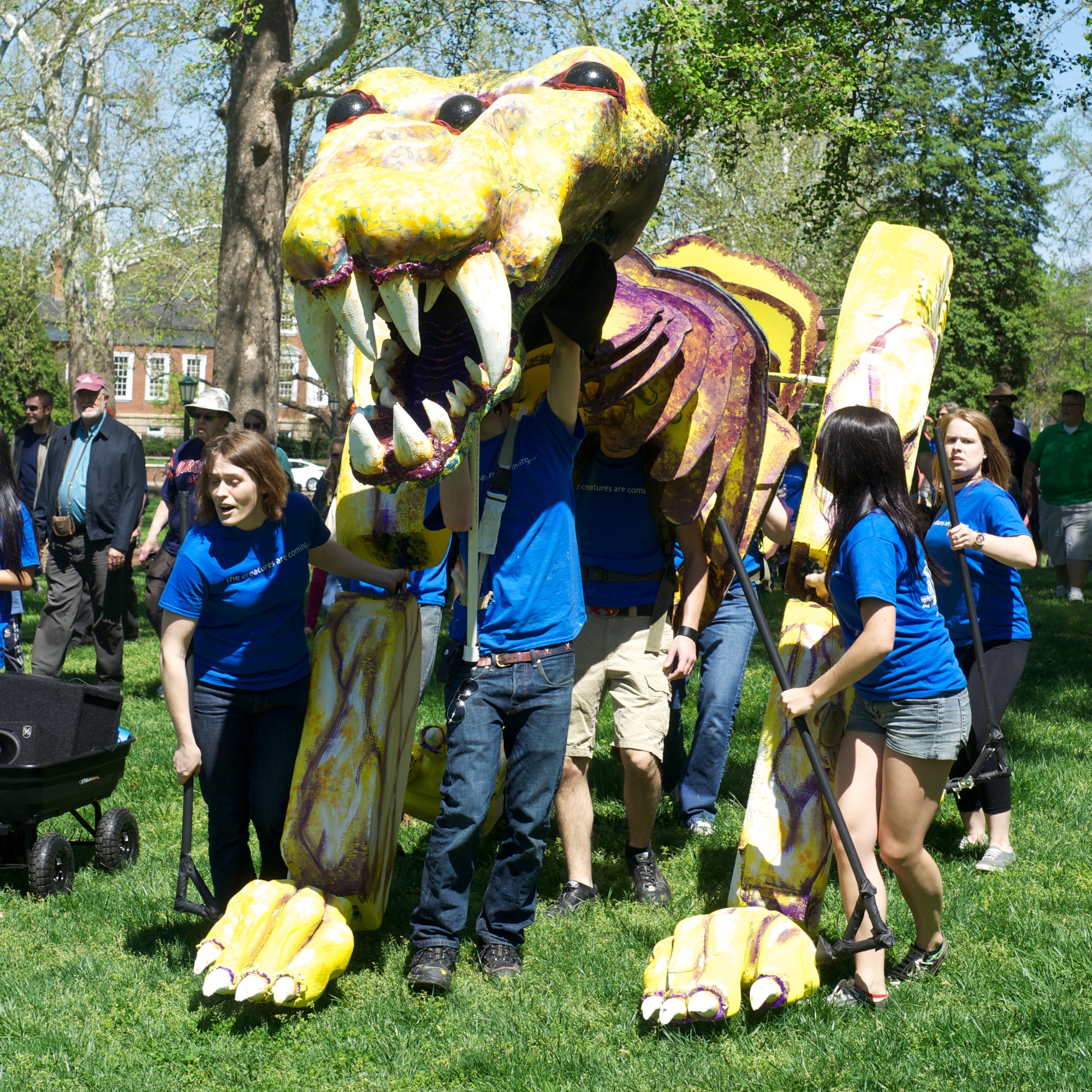
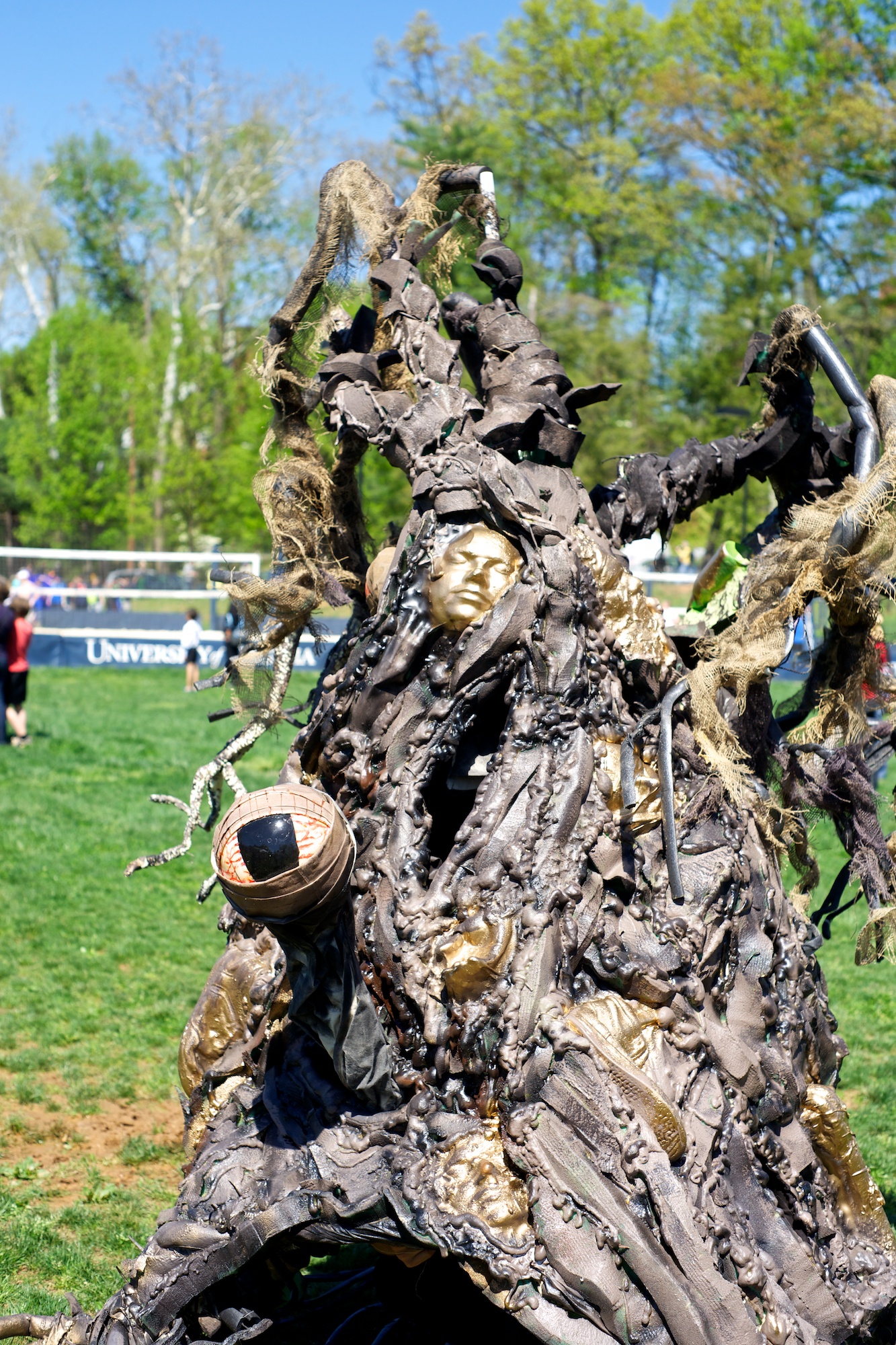
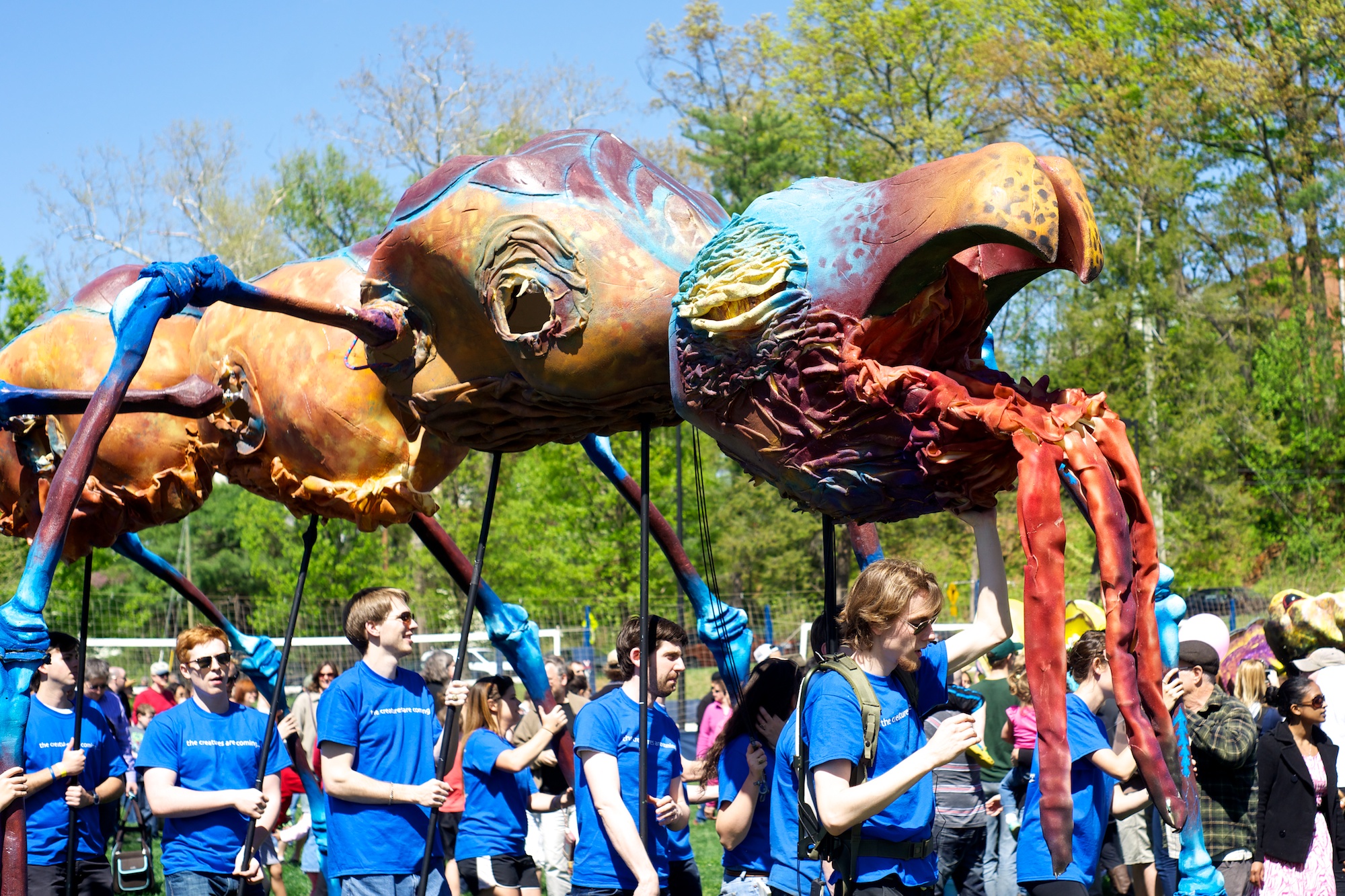
This weekend the art department at the university put on a creature parade. Alum Stan Winston made creatures for Jurassic Park, Avatar, and others. So the art school made some creatures and some sound tracks for those creatures and paraded them around grounds. It made for a nice photo outing. The students were very proud of their creations and seemed to have fun with it. Little kids didn’t know quite what to make of the beasts, but gave them a healthy space for safety.

SONY DSC SONY DSC SONY DSC SONY DSC SONY DSC SONY DSC

Victor Horta: Art Nouveau Architect

I pretty much love anything art nouveau. So whenever I go to European cities, I look to see if they have any art nouveau icons. In Prague there is Mucha, in Berlin there is the Bröhan museum, and in Brussels there is Victor Horta. There is a Horta Museum, as well as a number of buildings he and others designed nearby. A bunch of walking tours (like this one with a nice video) can help you cover the various buildings or get a peek from wherever you currently are via the pictures.

Like many architects of the period, he also designed the furniture, wallpaper, and interior structures like staircases. The museum has great examples of these. Alas no pictures were allowed and there aren’t any fair use pics. But if you’re curious you can google for yourself. Here are some pictures of his lovely buildings:

SONY DSC

Hôtel Tassel in Brussels

SONY DSC

Hôtel Solvay

SONY DSC

Horta museum building

SONY DSC

Horta museum building

IMG_0287

Old England building, designed by Barnabé Guimard, closer to the Grand Place in Brussels. (not Horta, but still very cool. This hosts the instrument museum so you can go inside and enjoy that too.

Staircase from Horta museum


Miniature Books!

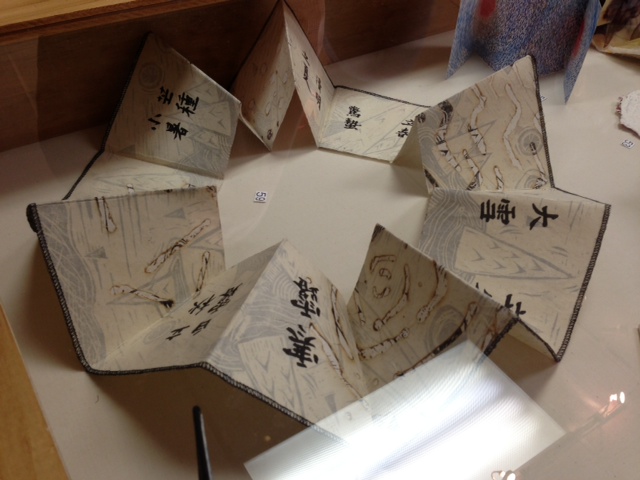
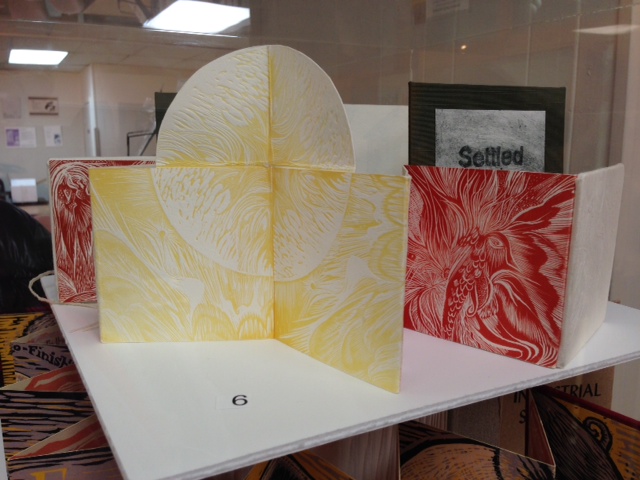
This weekend at the festival of the book, I saw an exhibition about miniature books. The exhibition is a traveling show from the University of Akron including about 80 small or odd books. At the exhibition, Molly Schwartzburg, the curator of the miniature books collection at the University of Virginia, gave a talk about the exhibition and about mini books in general. The university has a collection of several thousand miniature books, which by their definition means no bigger than 3″ in any dimension when closed. Some of the mini books are made for artistic purposes, and others for practical purposes. The Knights of Columbus used to send miniature books containing short stories to soldiers during WW1, packing the tiny books with cigarettes. The Akron exhibit didn’t adhere to the 3″ limit, but all of the books were eccentric.

Below are a few pics from the collection.

photo copy 2

This does fold flat- “Solar Terms” by Ling Luo

photo copy 3

“Altar of Transformation” by Cathie Bleck

photo

A bunch of accordion style mini books.

photo copy

“Pig, hog, bacon” by S. V. Medaris, showing the life cycle of a pig on one side and bacon on the other.

photo copy 4

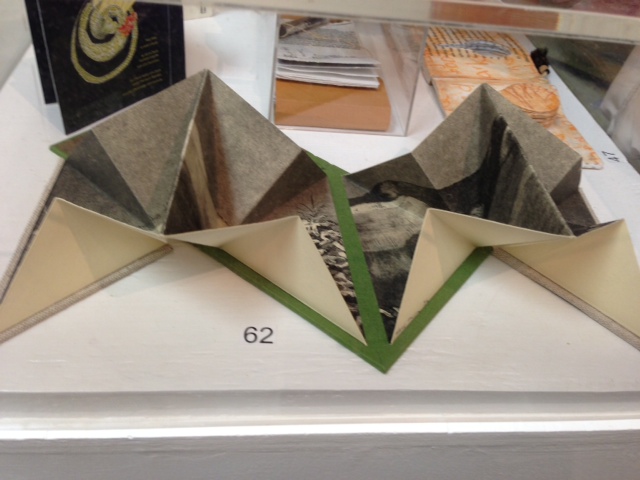
“I went to the mountains, but they were not there” by Rachel Mausier- a really cool combo of book arts and something more like origami.


Learning about Graphic Novels and Publishing from Barbara Slate

As I mentioned in Monday’s post, I attended a talk by comic book writer Barbara Slate (at the VA Book Fest). She was one of the first female comic book writers, and has since branched out to her own graphic novels. After her talk I picked up one of them, “Getting Married and Other Mistakes“. It looks like a lot of fun, and like Slate herself, seems to have a nice sense of humor. She also has a book about how to write graphic novels.

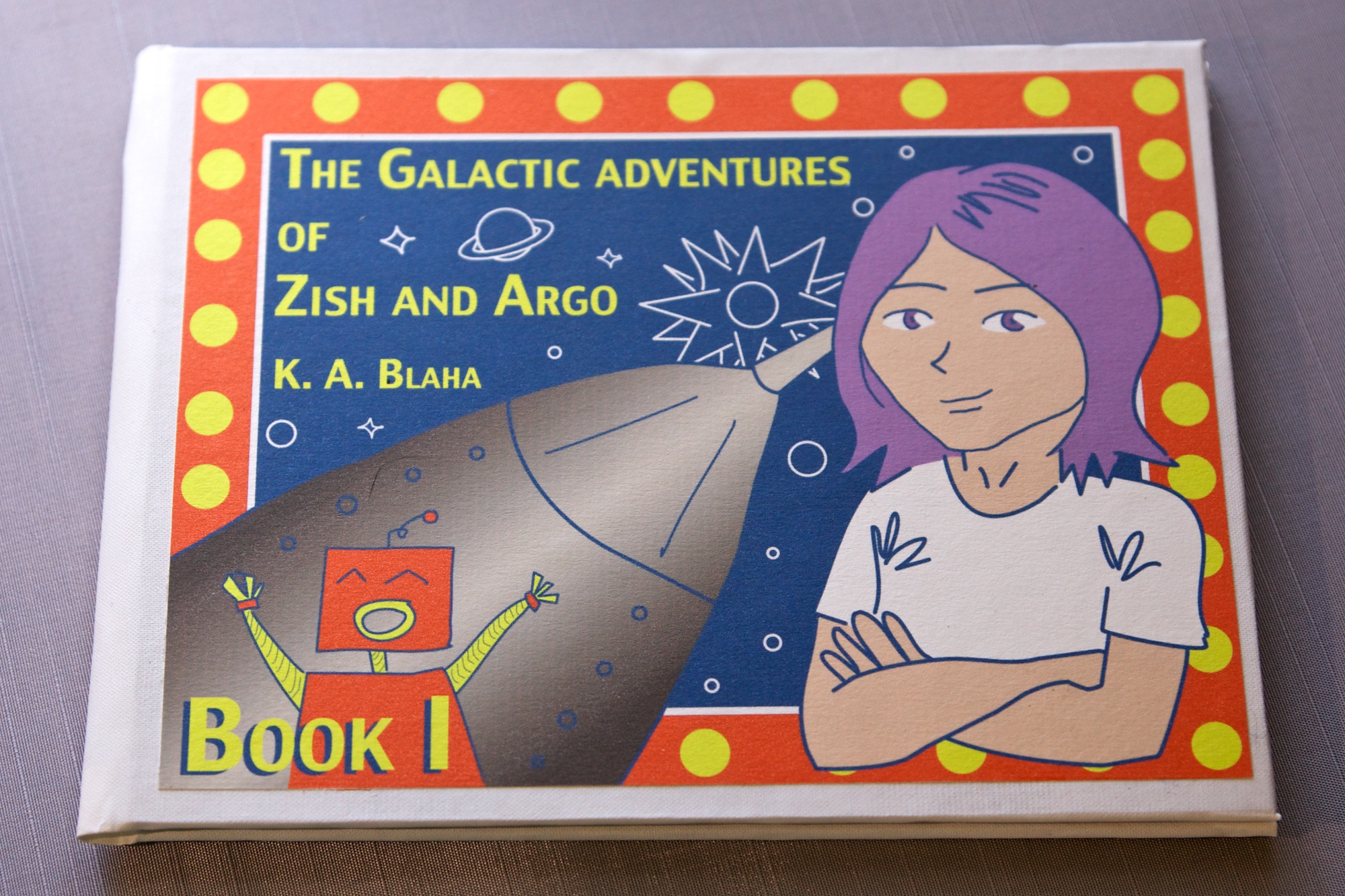
She also spoke about the process of getting “Getting Married” published. She said that she was rejected about 60 times. I didn’t pay attention to that detail much that day. I wrote Monday about my own excitement, that I perhaps had a publisher interested in Zish and Argo. After further research, it looks like one of those pay-to-self-publish rackets, dressed up. I felt so duped! I was so excited, and they misled me. Fortunately, I figured it out quickly and for free. I channeled my frustration to overcome my fear of sending the manuscript off; on Monday after my realization I sent the manuscript to 5 places. Afterwards it occurred to me–if a woman like Slate who is familiar with the industry, knows publishing and knows people takes 60 rejections to place her book– then people aren’t going to be jumping out of bushes to publish me. It will take sober, dull work for me to get published, just like her. As it likely will for all of us. Please, may some eager publisher fall from the sky and praise me, but it’s not something I can expect or even take at face value. So last night I thought up a new story for Zish and Argo, and I will continue the slow marathon towards my goals.

Vironevaeh: Hiroshige Influence

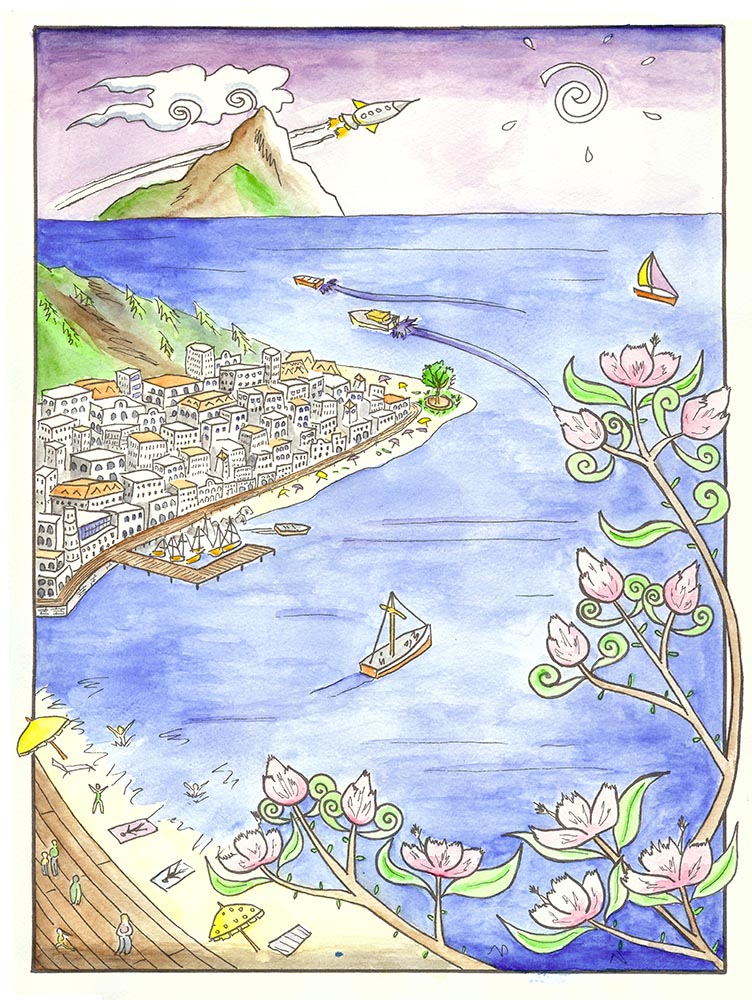
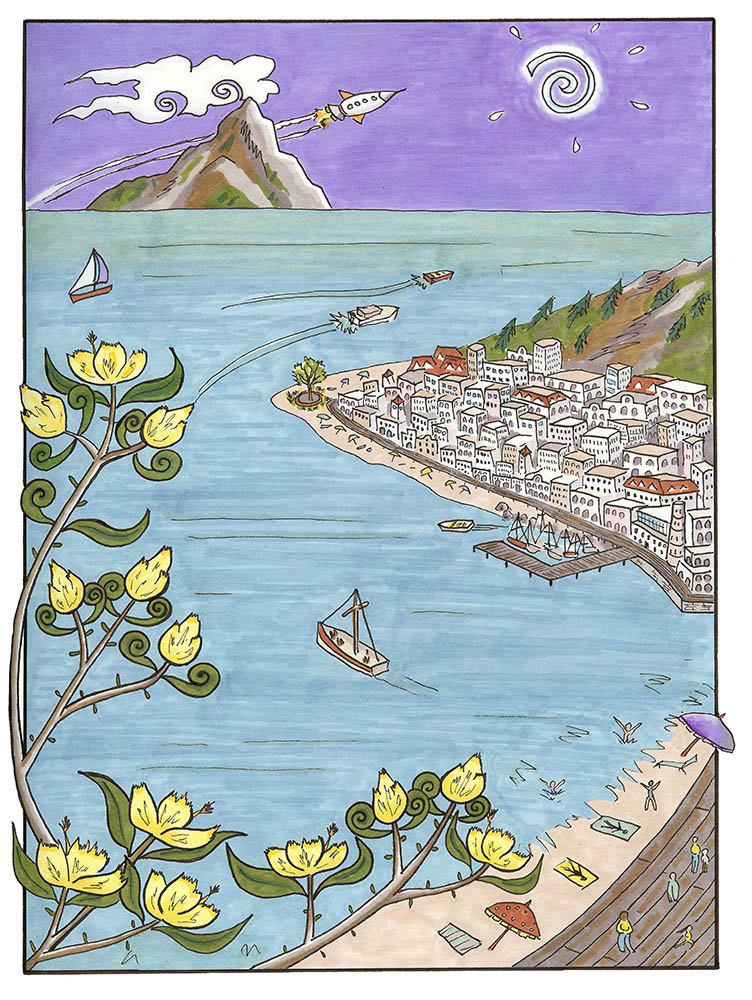
A few weeks ago, I wrote about the paintings of Japanese artist Hiroshige. So I got inspired and tried my hand at something along those lines, something like a science fiction Hiroshige. The drawings are set in the world of Vironevaeh: Science Fiction Fairy Tales (which, btw, is free on iPad =) ).

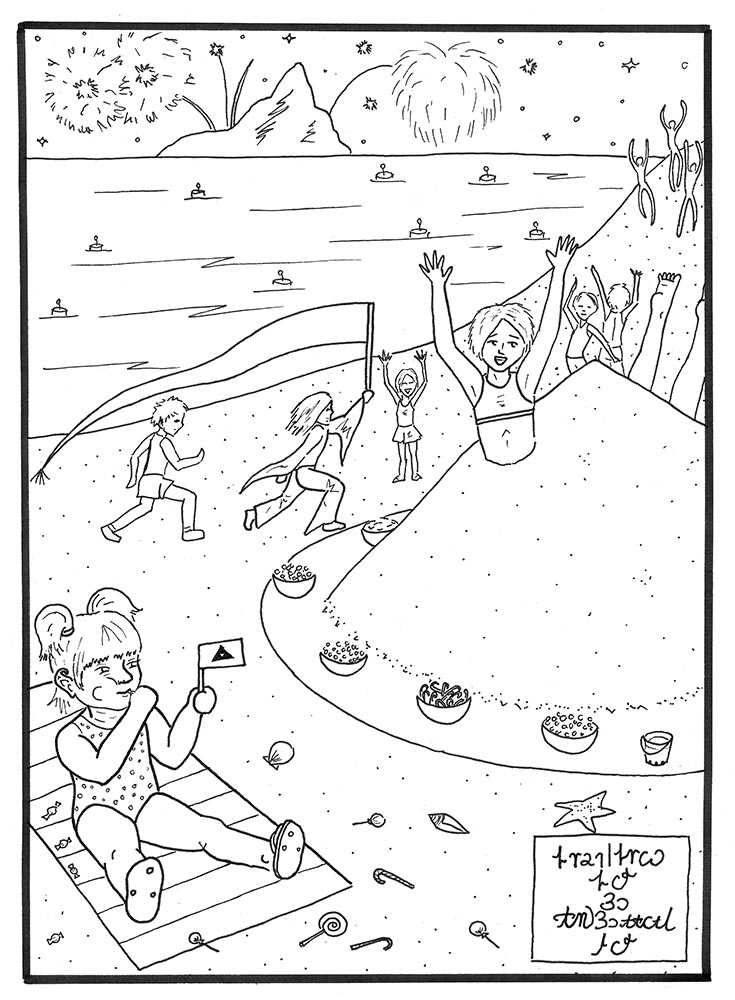
The first, done in watercolor, shows the city of Vironevaeh on the North Bay with Mt. Viro-Vit in the background. The second is a tweaked version done in markers. The third is the linework for another, depicting a Vironevaehn holiday called Digurtian Day. The Digurtian Day celebration is labeled in Vironevaehn. Many of the Hiroshige paintings are labeled in Japanese, so it felt fun to channel that spirit.

Happy Friday! I’m off to the Virginia Festival of the Book!

viro-city-watercolor-smaller

viro-city-marker-smaller viro-digurtian day-medium

Website changes and Zish!

As you may see, I have been doing some house-keeping on the blog. Most especially this includes a new banner. I’ve been doing so many posts about science and artists that a banner about book-binding seemed awfully limiting. So now the tagline is “sci-fi, art, and science”. I have also updated the about page and streamlined the pages bar at the top of the screen.

I hope this makes the blog easier to view. Plus, I think the new banner is super cute, which is tough for a picture that includes a rocket ship, a robot and a squid. Any feedback is very welcome.

In other progress news, I am making headway on Zish & Argo book II. In book II, Zish and Argo travel to a planet where the native species has a very unusual kind of pet. More to come!

zish2-2-blue

Making Lovely Books

As my blog might reflect, I have a tendency to lurch from one area of interest to the next. Last week, my interests moved again to bookbinding. The pile of lovely paper and fabric sitting in my office called out. (hollanders.com has some lovely stuff.) So I tried a few new things.

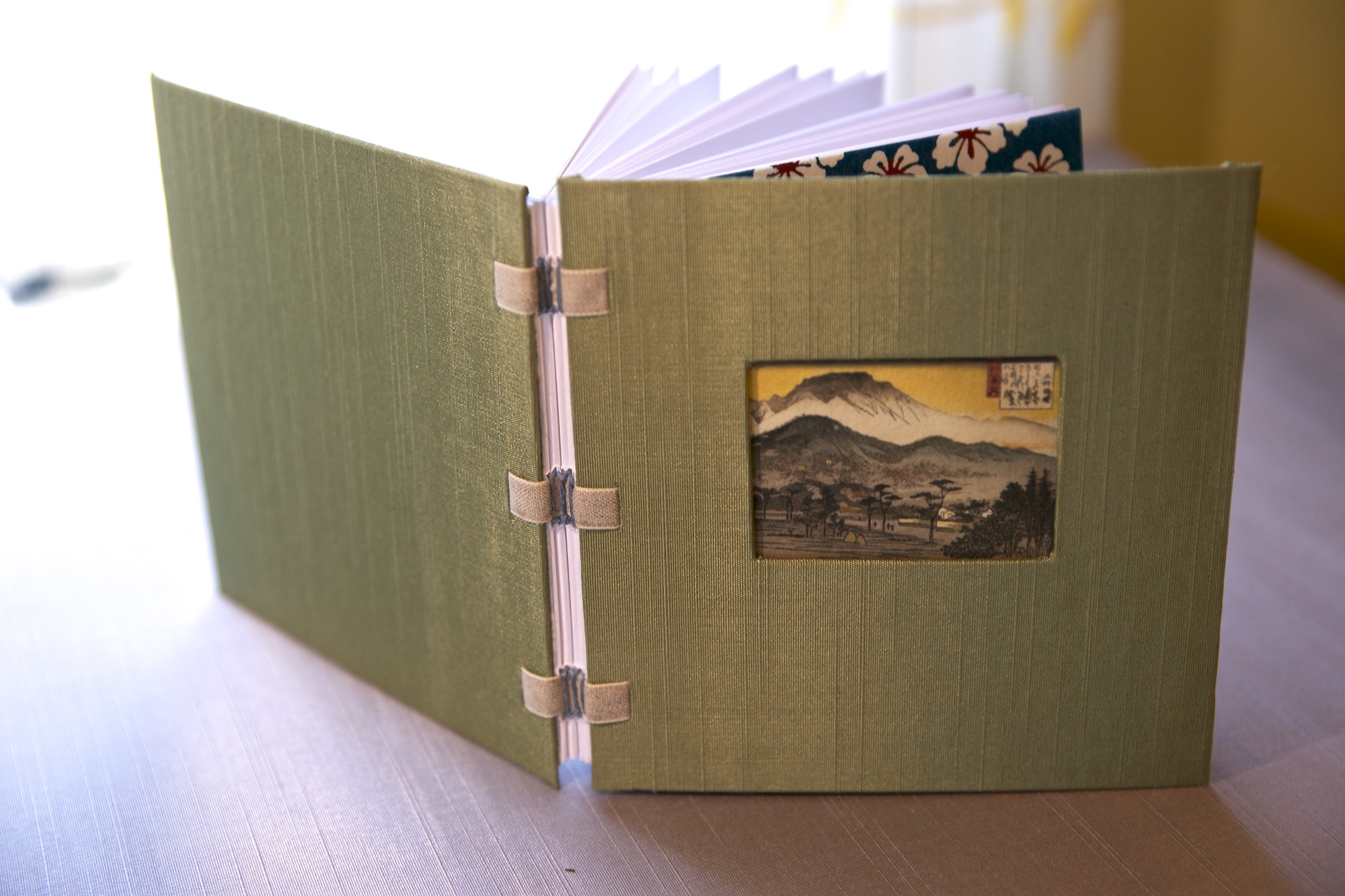
The book below is covered with Japanese linen. I used an exposed stitch on the spine, and exposed linen tape. This is the first time I’ve cut a hole in the cover. Appropriately (see last week), I found a Hiroshige painting in the creative commons to use in the hole.

SONY DSC

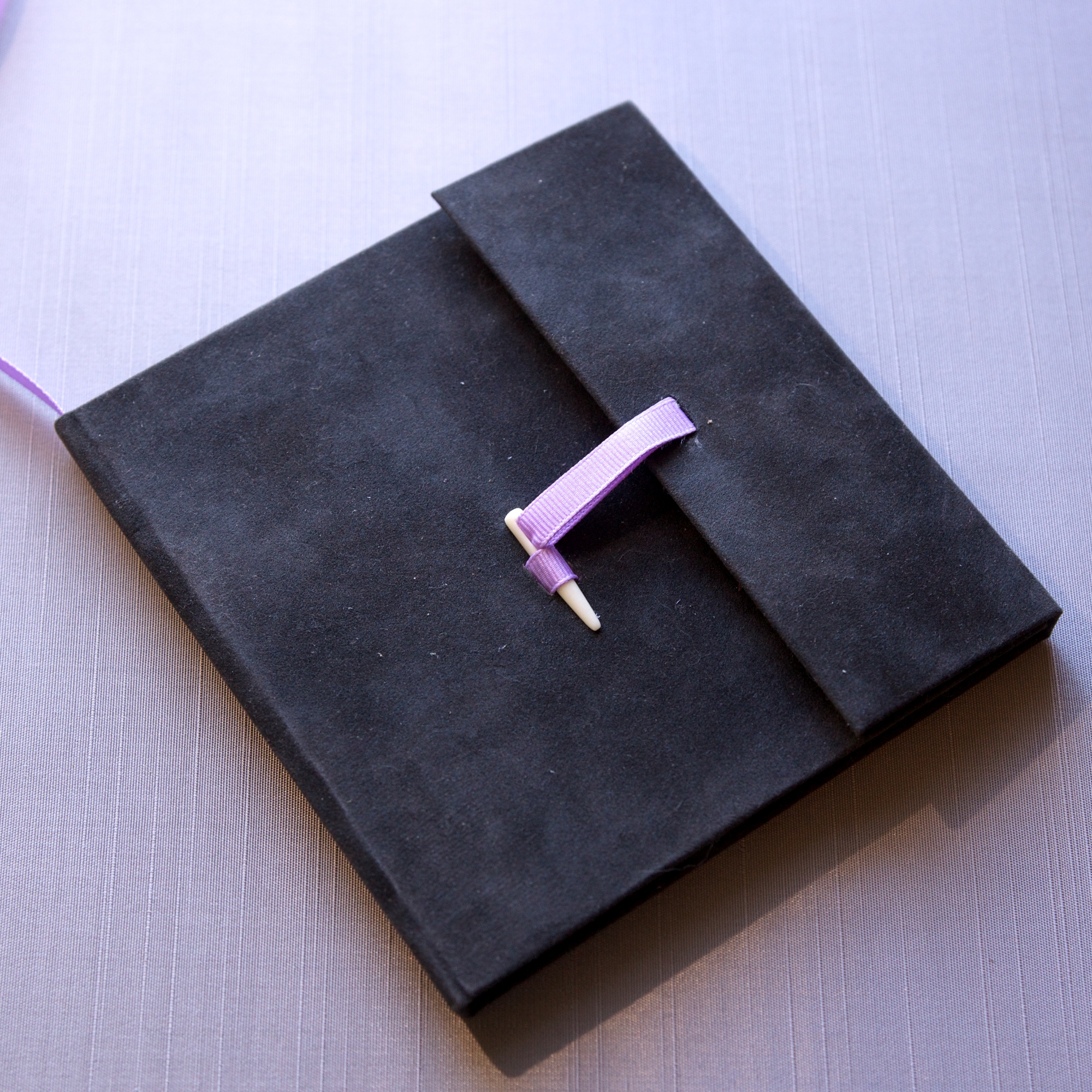
Next I made a book that closes in the front with a bone clasp. The cover is black imitation suede.

SONY DSC

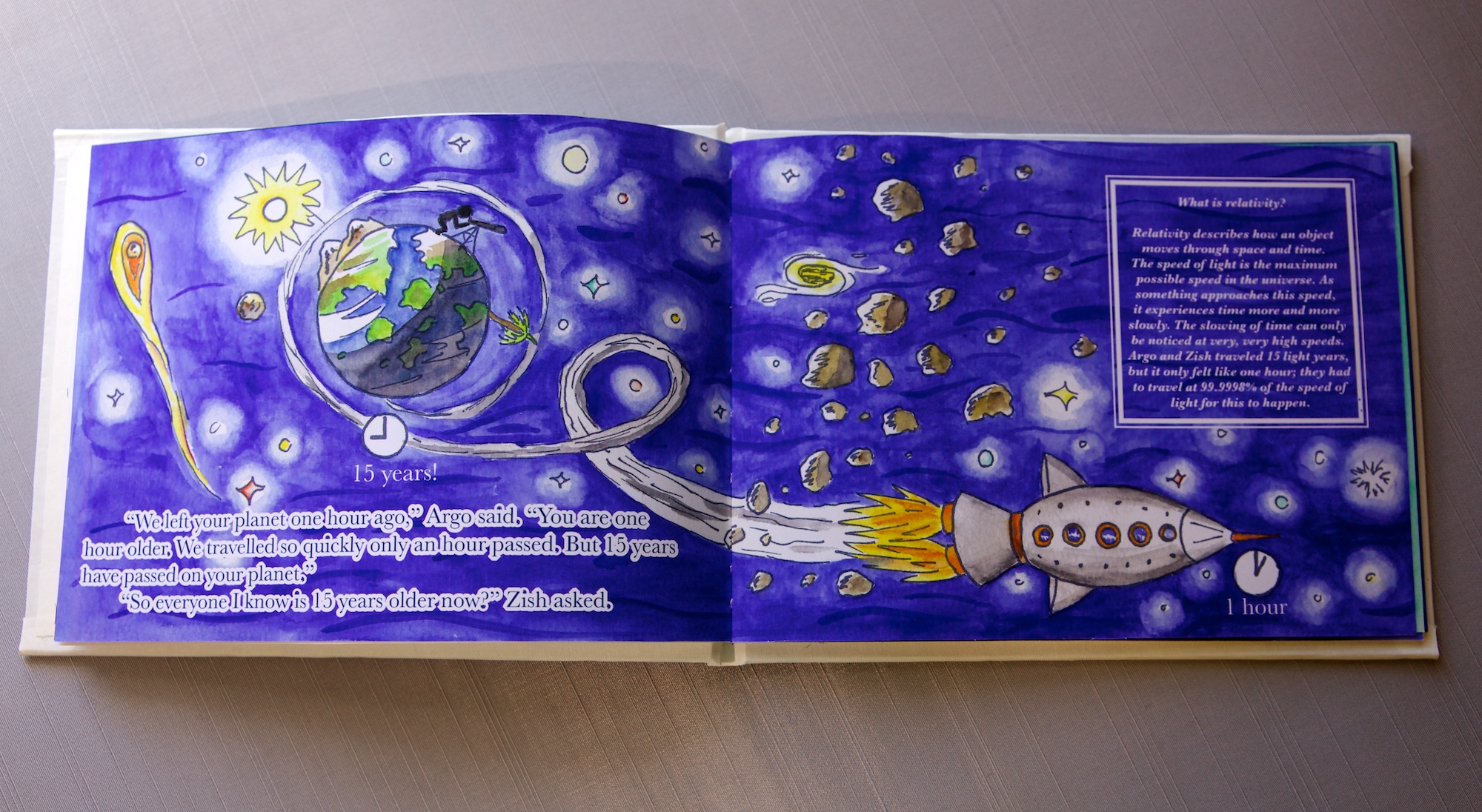
Finally I did a more formal binding of my Zish and Argo story. It’s a pretty simple binding with only a single 7 page signature, but I’m really pleased with the way it turned out. In the second picture below, you can see one of the spreads. All of the illustrations are digitized watercolor paintings.

SONY DSC SONY DSC

The Joy of Maps

I love maps. Not the ones that are useful, really. The decorative ones, or the ones that accompany a novel. The useful ones have a sort of dryness to them. I was never a big Tolkien fan, but I liked his maps a lot. Vernor Vinge’s “A Fire Upon the Deep” has a map of the galaxy, and I found that added to my enjoyment. I like historical maps too; you get an insight into past culture that comes much more slowly from print. Old maps sometimes have amazingly different spellings and different borders (Capp Codd instead of Cape Cod, for example, on an old american map). Old city maps reveal the old structures that gave rise to the city of today. A few years ago, the university museum had an exhibition of old maps. A lot of these maps remain available online as well.

In school, I used to dream up exotic places and cultures. I’d sit at my desk and draw up a new world. I’d imagine the cultures of the various regions. How the geography might influence the overall culture. Of course how the various different planets would interact.

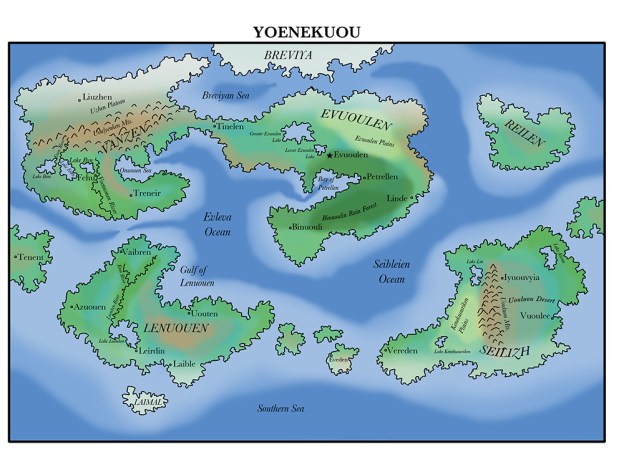
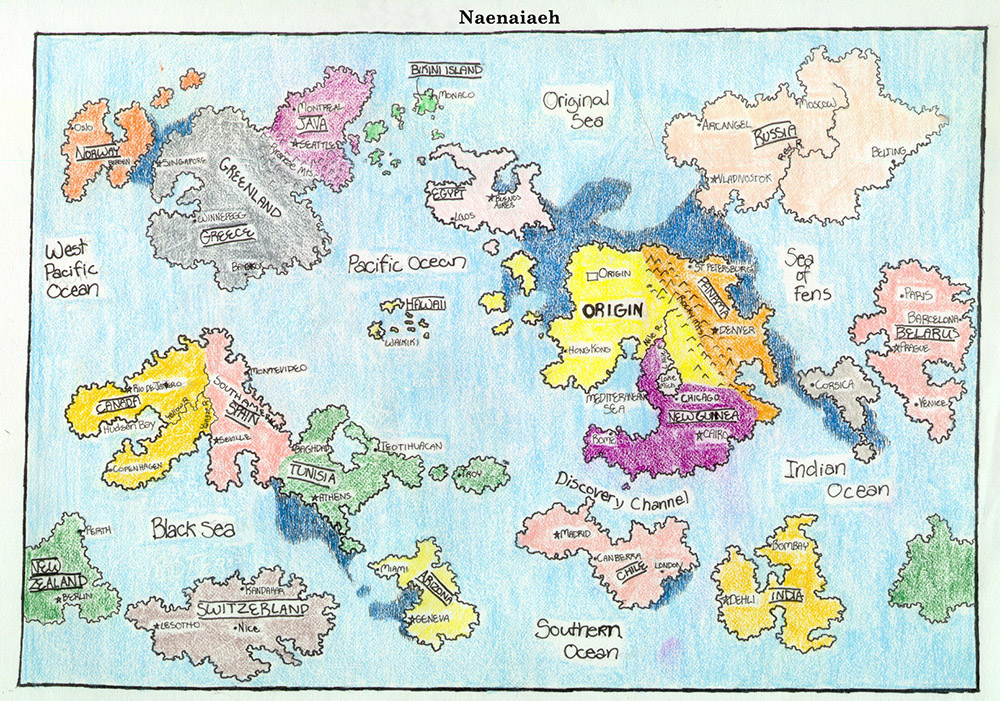
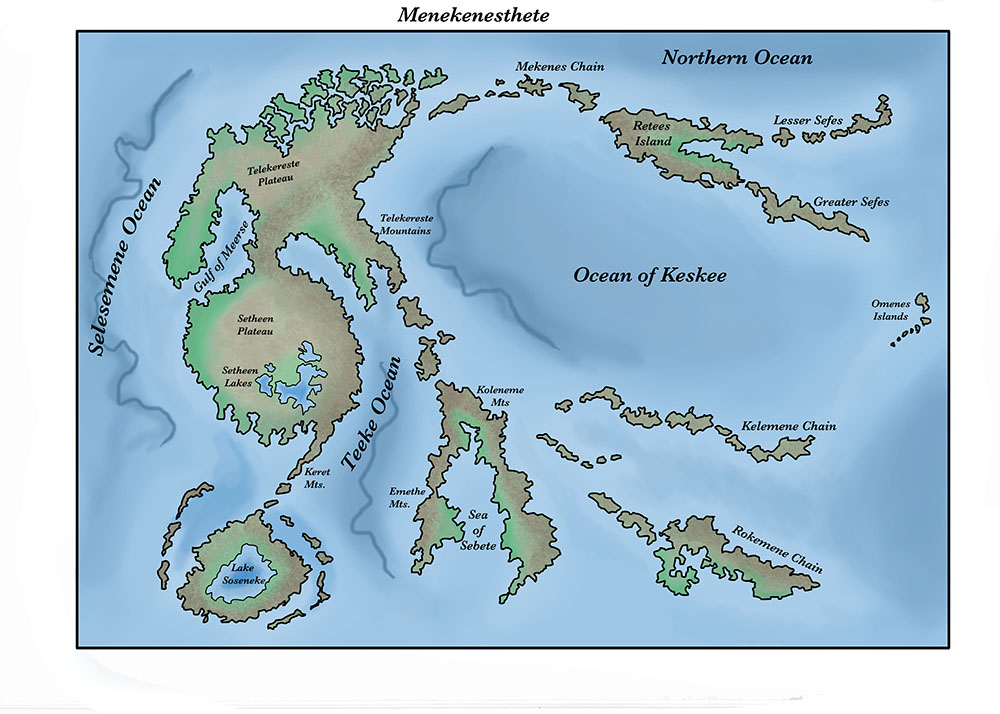
In many ways, Vironevaeh, the universe I’ve played in since I was 10, began because of a map. In 5th grade, we were required to invent a city and imagine what kind of climate, government, and culture it might have. Part of the assignment was to build a diorama of the city. I did a poor job on it (long-term projects weren’t a skill of mine at that time), but the seed had been planted. With the map, I had a connection to the place. Over the odd years of middle school I invented an alphabet, a planet, and several dozen playmate planets. Almost 16 years later, long after the death of that diorama, Vironevaeh lives on. The map of Naenaiaeh, below, is about 10 years old. I’ve been slowly making other maps over the years.

(Side note: I’m not sure if anyone checks this blog on its schedule; you may have noticed my schedule was awry last week. I try to post Monday-Wednesday-Friday. I missed a couple of posts last week due to three days of power outage (brr). But I had a lot of time sitting in front of a fire to dream and imagine new ones!)

map naenaiaeh

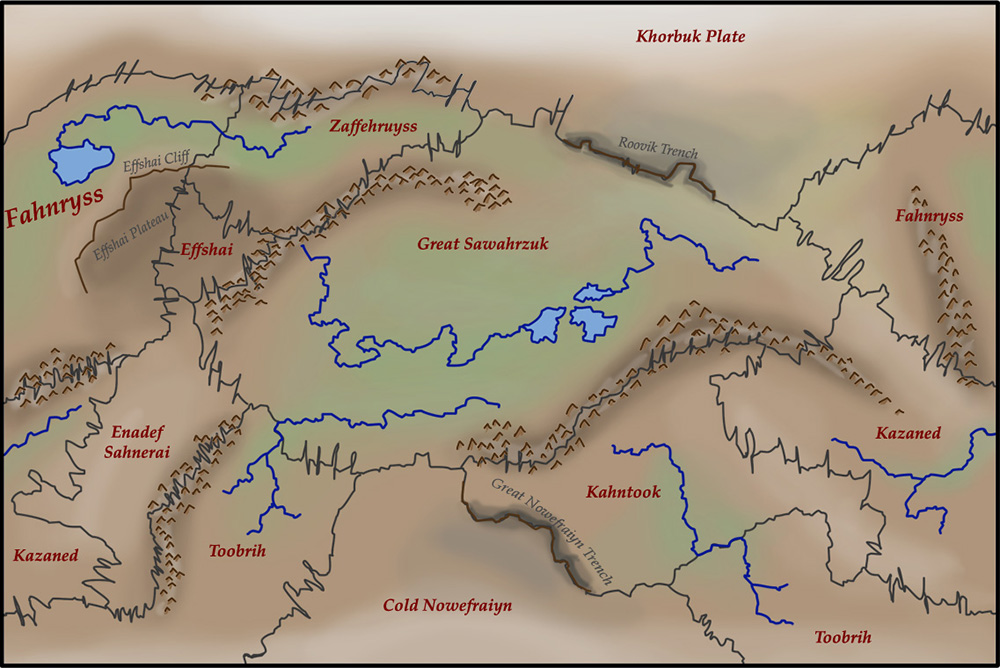
The sister planet to Vironevaeh. On Naenaiaeh, the people missed earth, and thus re-used the old names from home.

map silveriaeh

Silveriaeh, a planet of almost no water (I did so like the -aeh ending). Dark brown lines indicate fault lines, blue indicate rivers.

map Menekenesthete

Japanese Art: Hiroshige

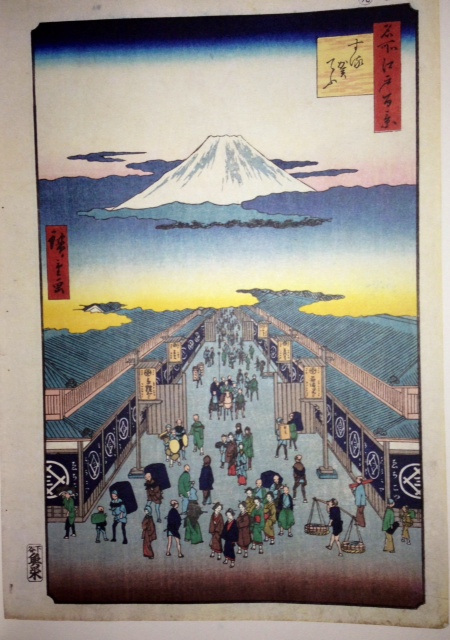
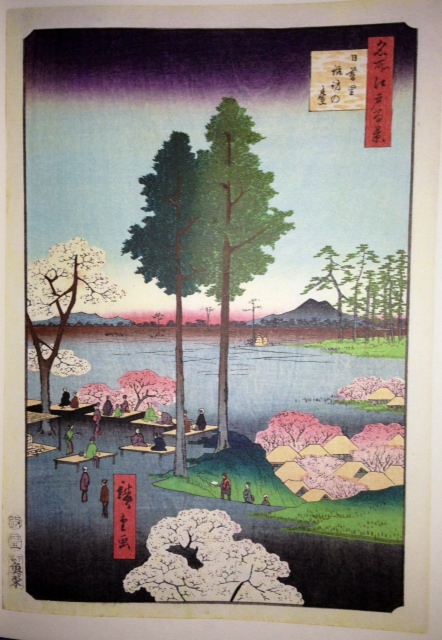
I have a beautifully bound book of the paintings of Edo by Hiroshige I found a few years ago. Since that acquisition, I have grown fond of the style of Hiroshige. He is an artist in the ukiyo-e style, or woodblock prints of daily life from 1800s Japan. The composition style is quite different from contemporary western works. A lot of Hiroshige’s works can be found online as part of the public domain. Wikipedia has a number of images in its gallery.

Vincent van Gogh drew stylistic inspiration from the works of Hiroshige. Below are nearly identical paintings by van Gogh (right) and Hiroshige (left). Many of van Gogh’s paintings have composition reminiscent of the ukiyo-e style.

Below are three of my favorite paintings from “one hundred famous views of Edo”.

photo photo1 photo2

Beautiful Books: “Radioactive: Marie & Pierre Curie”

I first saw “Radioactive: Marie & Pierre Curie: A Tale of Love and Fallout” in an expat bookstore in Belgium. The book is vibrant and colorful and intriguing. After I got back, the book was still on my mind, and I purchased it. The book is an art-collage biography of Marie and Pierre Curie, and their Nobel-prize winning work on radiation. Their work is so influential that they named several elements (radium and polonium). A unit of radioactivity, a Curie, bears their name, and the element Curium was named for them.

Every page of this book is truly beautiful. The colors are deep and wonderful. Somewhere in the book, the author describes the techniques she used, and how they were specifically inspired by radioactivity, but I have not found this description on the web. This book is much more beautiful than most graphic novels, and I love that it is about science. The book makes Marie Curie especially relatable. She’s still the most famous female scientist a century after her great discoveries. She comes across as driven but human.

Here, then, is the big caveat in my review. The author relates a mostly negative view of radioactivity and nuclear advances. The damage to Marie and Pierre’s bodies, as well as their daughter, is given in detail. The bombing of Japan, the three-mile island incident, and Chernobyl are covered in great detail.

I found it incredibly saddening reading about Marie Curie, the most recognized female scientist perhaps ever, and then to read essentially a condemnation of the outcomes of her work. I also think this condemnation was unfair. To write the story of coal or gasoline would be to include tales of mesothelioma, ground water pollution, and air pollution bad enough in many parts of the century as to blot out the sun. The motors of wind power require mining for difficult-to-acquire materials, which comes from messy mining. No form of power comes without its evils just yet. That’s why we have scientists like the Curies, to keep stabbing away at the problem. Nuclear energy frightens people more than other forms of energy, but I think this is mostly an irrational fear. A simple Geiger counter reveals any stray radiation. Do you know when there are trace amounts of benzene about (a common hydrocarbon in oil)? Or other carcinogens? Hundreds of Superfund sites exist across the USA, many of them from hydrocarbon contamination. These sites can take decades to remediate.

Nonetheless, this book is beautiful and worth reading. The writing about Marie and Pierre Curie as people was wonderful. For those unfamiliar with the science of radioactivity, perhaps it will be a more inspiring read than it was for me.