Category Archives: Illustration

Writing prompt: using an illustration as inspiration

Time: 7 minutes. Click here to go to my list of prompts.

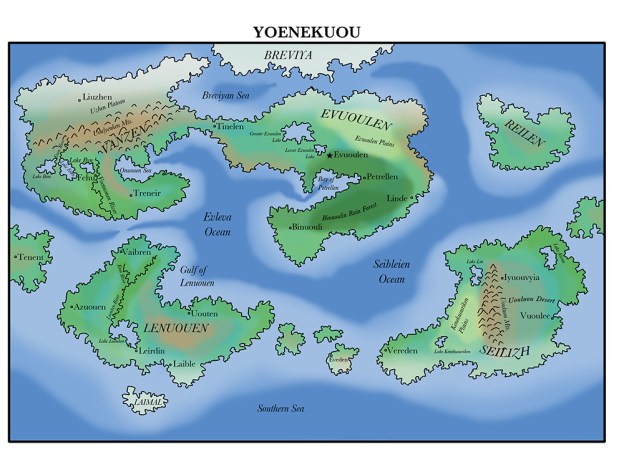
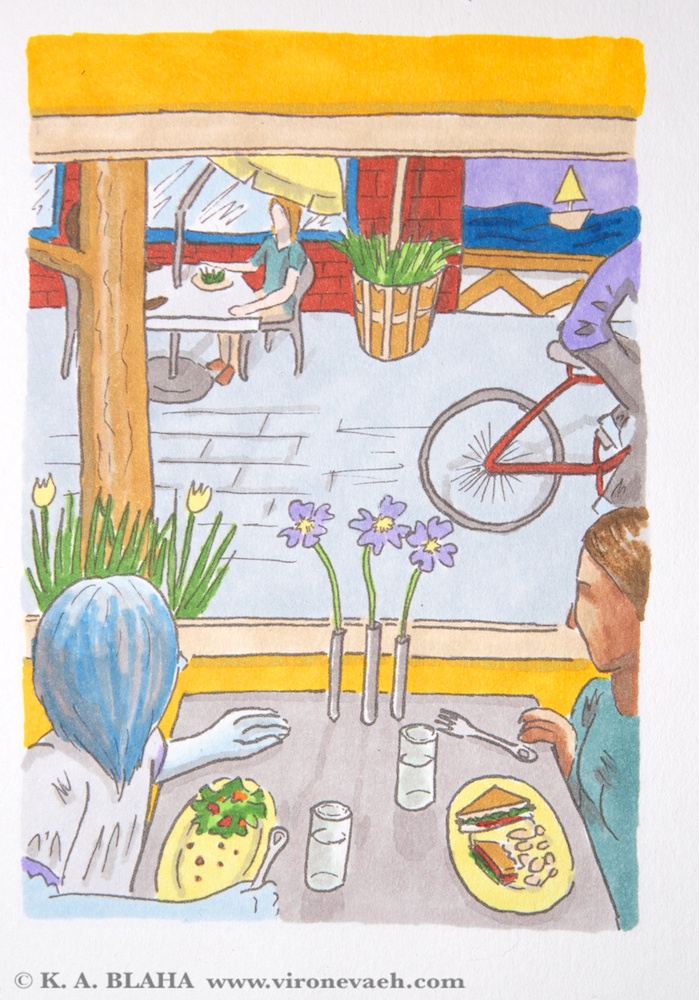
I wrote this prompt while looking at the image below, which I made for my worldbuilding exercises, discussed here.
SONY DSC

Enh and Della sat at the table, staring out the window rather than at each other. Enh hadn’t seen Della in fifteen years, not since that terrible night. And now they sat in a beautiful café, staring out at the sea rather than talking. Out of the blue, Della had contacted her two days before. She still hadn’t explained why, and Enh was growing uncomfortable. In the distance, a sailboat skating gracefully by. Enh wished she were there. Anywhere but here.

“It’s good to see you again, Enh,” Della mumbled again. Enh just nodded this time. Della’s voice, so distinctive, was unchanged, and she mumbled just like she had so many years ago. She paused for a long time. “Don’t you have anything to say to me?”

Enh sighed. “You contacted me. And you still haven’t told me why yet. I didn’t come here to reminisce. I came here because to asked me to, and I’d prefer you get to the point.”

Della’s eye’s narrowed. When she was young, she might have cried, but evidently she was past that. “You always make everything hard. Fine, I’ll just say it. I found out that Intira might be alive.”

Enh dropped her fork. Visions of that night came unbidden. The night they found the bike on the beach, but not Intira. Intira’s angry note, condemning all their undermining, how they had never really been friends. A man who’d seen her running into the ocean. Her clothes, found a month later on the coast.

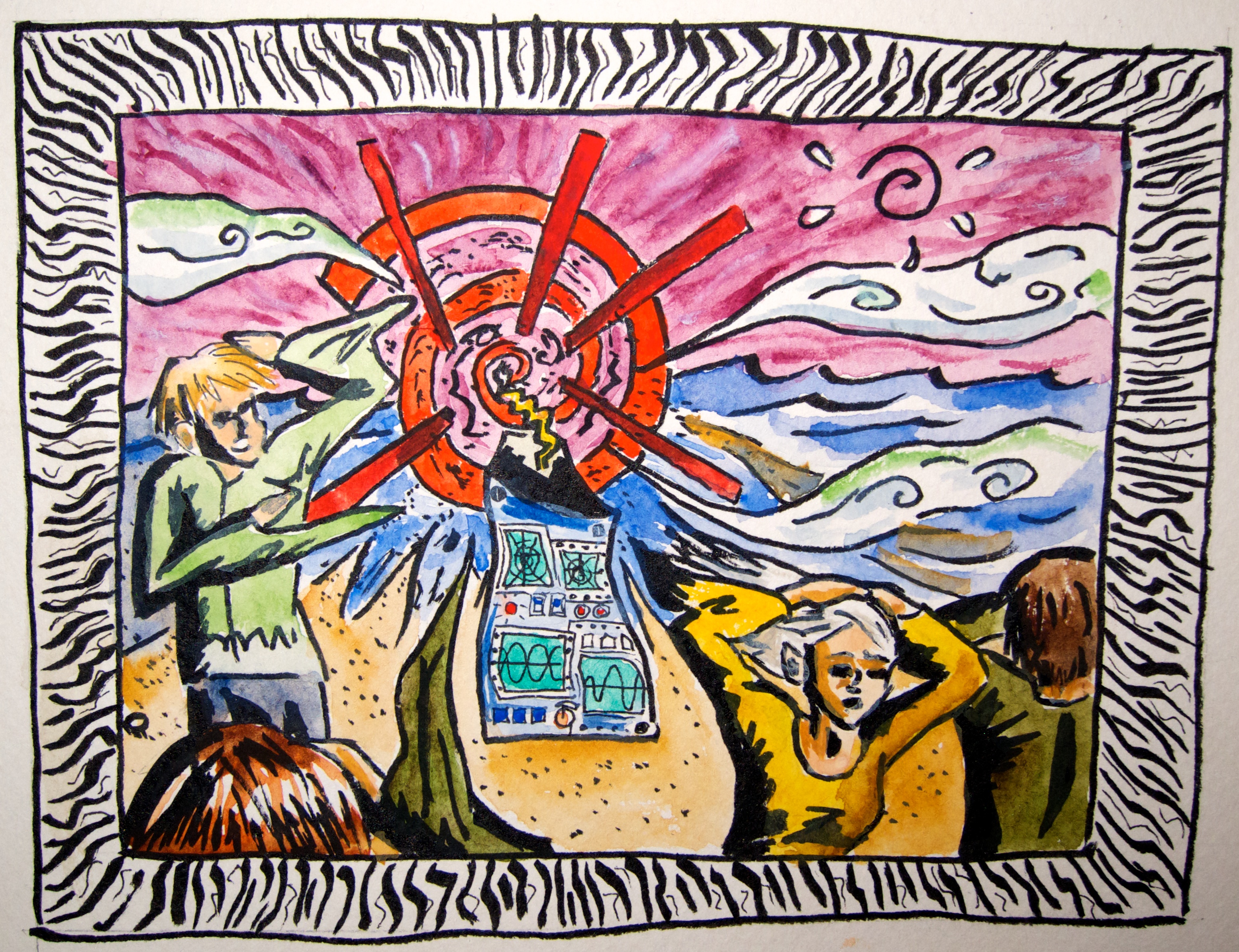
(As it happens, the end of this prompt became inspired by another illustration, see below.)

SONY DSC

Science Fiction Worldbuilding

One thing I love about science fiction is worldbuilding. When you go to a new place, you take in the architecture, the language, the food, the weather, how someone enters a house, how someone insults another person… These things exist in any culture, but they vary, sometimes radically. In science fiction, the creator tries to imagine these things in a logical and consistent manner for a time that hasn’t happened yet, for planets unknown, with the very constants of life such as gravity and oxygen subject to change. And yet the end product, when successful, is similar to travel–we visit a place that is deeply familiar in the fundamental ways and yet different in ways that provoke thought.

(Some people think that there is too much worldbuilding–I don’t agree. I think the author can tell too much of their own personal worldbuilding process and not consider the reader enough. However, I speak from a place of no authority, so take my opinion for what it is worth.)
In the last few weeks, I’ve been working on illustrations of street life in my city inspired by Hiroshige’s 100 views of Edo. Even after 17 years working on this world, I see many new things this way.

SONY DSC

On the hill in the background is the outline of an old storm tower, shaped a bit like a lighthouse. The old fortifications stood high on the hills with thick walls to withstand the storms.SONY DSC

The view west from a storm tower, to give early warning of storms. In the early days of the city, storms caused flash flooding and devastation.SONY DSCGleaming cities often have unsavory hidden parts, sometimes literally lurking around the corner.

So far I’ve done about 20 illustrations. I’d like to do at least 100. In each one I feel more comfortable with previous details. I’ve looked up references of European and Moroccan and Japanese architecture (mostly the European showing in these three samples). Now I’ve started incorporating old sketches over a decade old. The city feels all the more real to me (it’s great inspiration for story ideas and details), and the work is great fun.


Writing children’s books

This summer I am taking a class about writing children’s books. I became interested in writing children’s books because I really love writing with illustrations. Before this summer, I hadn’t had the opportunity to just sit down and discuss for hours at a time what the children’s market demands. I probably had wrongly assumed it was pretty easy to write a children’s book, because they are pretty simple books and I think a lot of the books on the market are simplistic and unattractive.

Indeed, it is easy to write a book for children, but it’s a lot harder to sell one. Children’s books have structure I wasn’t aware of (most of them are exactly 32 pages, example), and there is a ton of competition. In 200 words, it’s harder to stand out than in 10,000. An interesting guide-book we have looked at in class is “Writing Picture Books” by Ann Whitford Paul. Her book goes over all the steps necessary to prepare a manuscript for a children’s picture book. We have done some exercises in our class like writing a young child’s concept book or rewriting a fairy tale, both of which have been fun exercises. I still have a little trouble writing as simply as is required for such ages, but we always have something to improve.

I think writing for children can also be of interest to people only interested in writing for adults. Children’s demands aren’t that different from those of adults– snappy language, quick action, relatable characters. In kids books, the author must try to have scenes with visualizable illustrations, and adults like to have mental images of what they read as well. Kids books are often under 1000 words, so they are a very doable exercise length. If you’re interested, I recommend giving it a try. At worse, you’ll just have some fun and feel a bit childish!  =)

thecast 30

Style: University of Virginia Lawn

There are three manmade UNESCO world heritage sites in the United States: The Liberty Bell, The Statue of Liberty, and The University of Virginia Lawn with Monticello. The UNESCO designation basically means there is something noteworthy of distinctive about the site. I happen to live near to the University of Virginia, so I get to take a lot of photos. (As of this post, I just discovered that all the modern photos on the lawn Wikipedia page are mine. I love to see where the creative commons take my works. Side note: check out my very large Flickr collection of mostly creative commons images.)

Many years ago, Benoit Mandelbrot, the creator of fractal geometry, visited the university to give a talk. He said it was like walking into the lion’s den of Euclidean geometry. I always liked this description; everything about the university is columns and arches and perspective points. Monticello and the University were laid out by Thomas Jefferson, who one gets the feeling never actually died living around here. He was the ambassador to France for a while, and greatly admired the architecture. He came back to the states with those architectural inspirations.

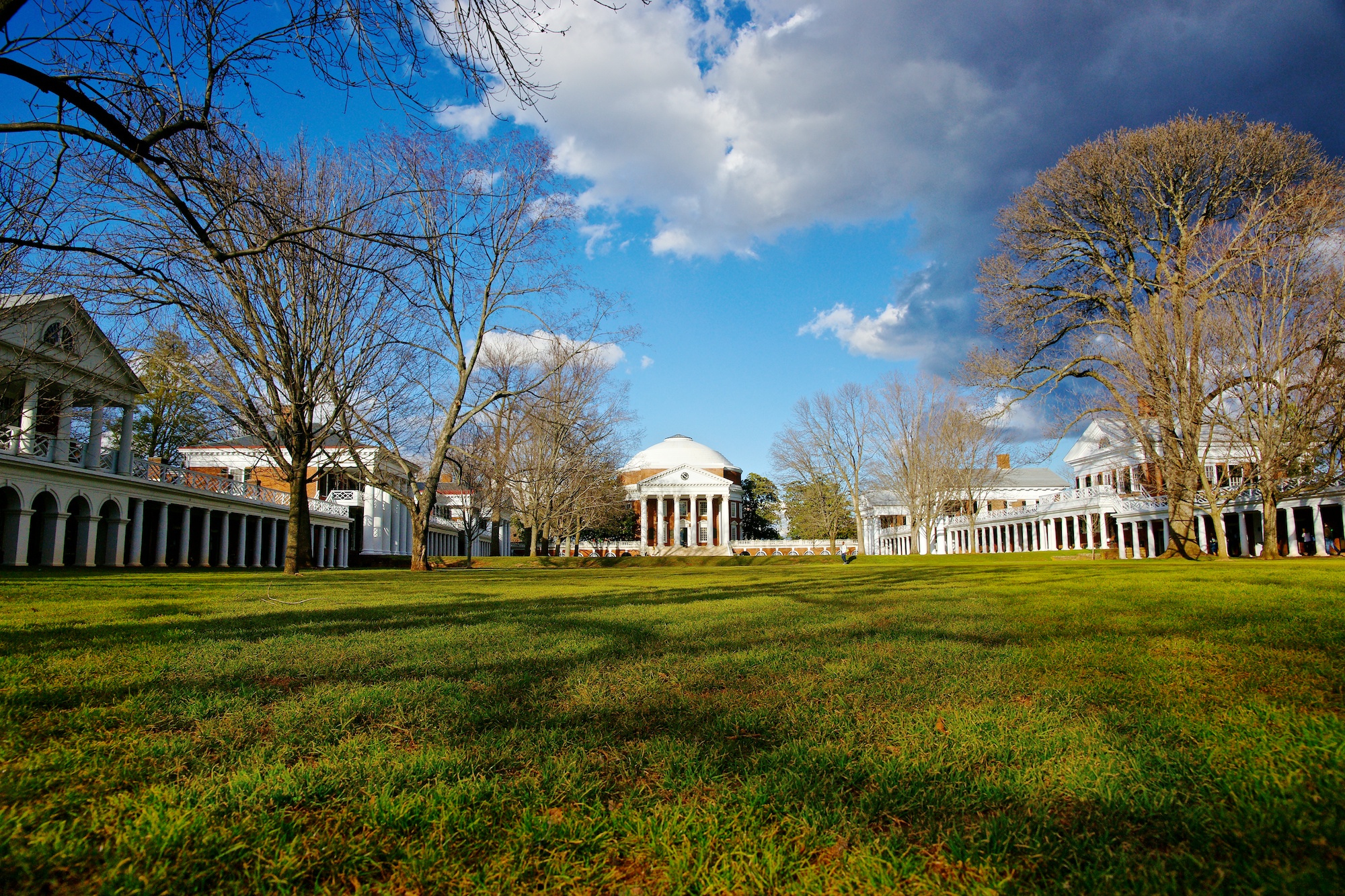
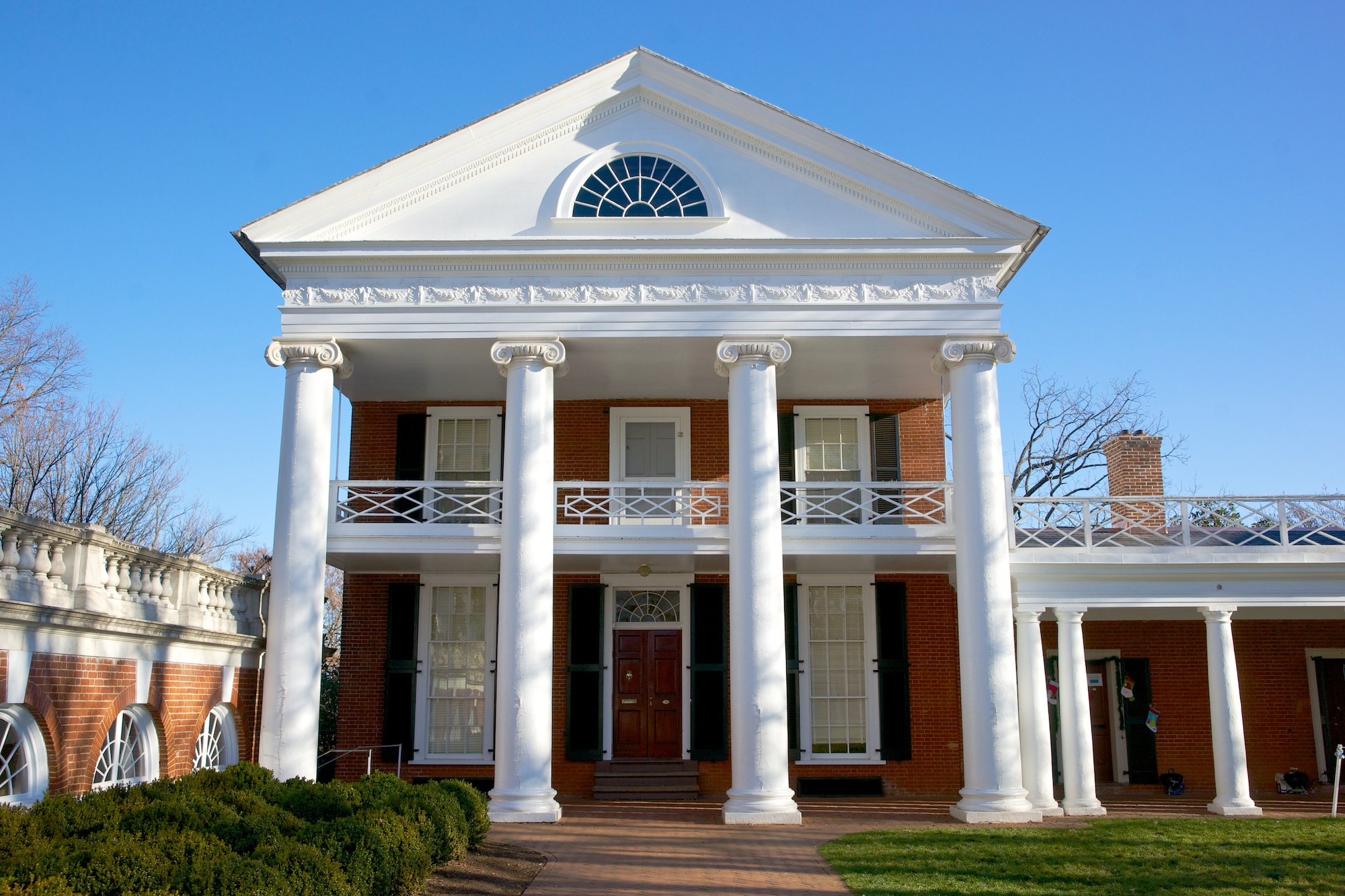
The UVA lawn, shown below, has the rotunda at one end (the second one… the first one burned down and blew up when a professor tried to save it with TNT) and is lined by ten pavilions. Between the pavilions are dorm rooms that distinguished fourth year students still live in. Each of the ten pavilions is architecturally different, and behind each is a garden in a different style which no doubt will be the topic of a future post. Pavilion 2 is pictured below. Professors still live in the pavilions. The pavilions were built in a strange order, to ensure that diminished funds would not diminish the scope of the project.

It’s very easy to find plenty of reading material on Jefferson and the University if you are interested, so I won’t try to write a tome here. However I’ll include a few of my pictures that may hopefully spark your interest.

SONY DSC DSC03036 SONY DSC SONY DSC SONY DSC SONY DSC SONY DSCpavilion 2

Monticello, i.e. the back of a nickel


Progress and things

Just a quick update today. I made a few changes to the site, and I will make a few more over the next weeks. As I approach 100 posts, I have more content to organize, and more ways to organize it. So now there is a “Fun Science” tab, which lists and categorizes my science posts. Now I’m excited to do some more science posts.

I continue to make great progress on the novel draft (fingers crossed). Yesterday I reached 15,000 words and finished the 10th chapter. I am a fan of short chapters. I first wrote it last summer as a too-long short story. At the time, I intended it to be part of a collection of illustrated short stories. Below is the illustration I had finished for that story.

Happy Friday!

CaveCrime-small

Victor Horta: Art Nouveau Architect

I pretty much love anything art nouveau. So whenever I go to European cities, I look to see if they have any art nouveau icons. In Prague there is Mucha, in Berlin there is the Bröhan museum, and in Brussels there is Victor Horta. There is a Horta Museum, as well as a number of buildings he and others designed nearby. A bunch of walking tours (like this one with a nice video) can help you cover the various buildings or get a peek from wherever you currently are via the pictures.

Like many architects of the period, he also designed the furniture, wallpaper, and interior structures like staircases. The museum has great examples of these. Alas no pictures were allowed and there aren’t any fair use pics. But if you’re curious you can google for yourself. Here are some pictures of his lovely buildings:

SONY DSC

Hôtel Tassel in Brussels

SONY DSC

Hôtel Solvay

SONY DSC

Horta museum building

SONY DSC

Horta museum building

IMG_0287

Old England building, designed by Barnabé Guimard, closer to the Grand Place in Brussels. (not Horta, but still very cool. This hosts the instrument museum so you can go inside and enjoy that too.

Staircase from Horta museum


Happy 16th Anniversary, Vironevaeh!

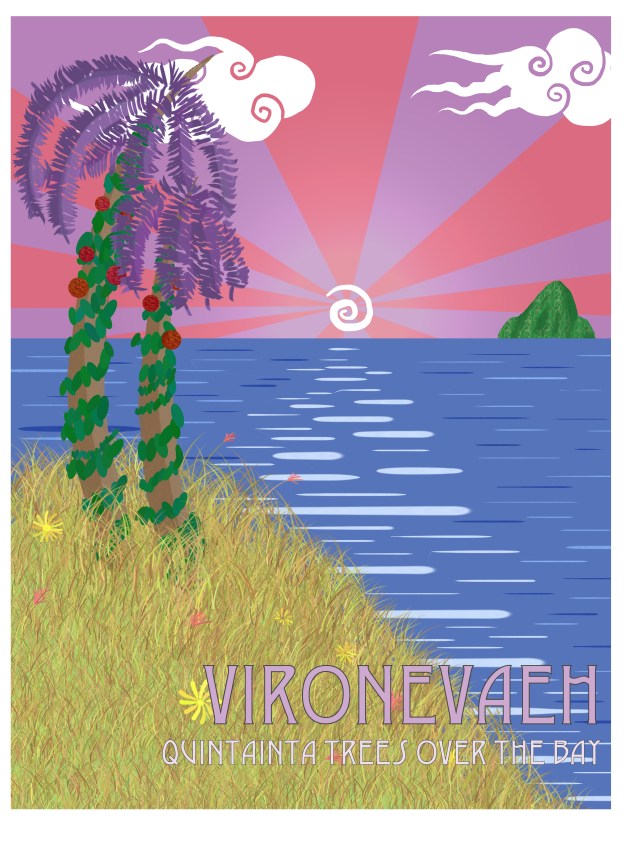
Sixteen years ago I first started writing about Vironevaeh, the extraterrestrial city that is the namesake for this website. In middle school I was that kid– I told everyone who would listen that I was an alien. I was so bizarre kids didn’t know how to bully me, not that they didn’t try. I happily kept inventing my world.

In high school I started to read the classics of sci-fi (my top 20 scifi books). Before that, I think Vironevaeh was an alter-ego–I had a different identity there, and knew different people. Advanced having of imaginary friends. The classics gave me a different perspective, the perspective of world-building. I’ve been slowly plugging away ever since. There’s a spreadsheet with a thousand years of history, some more densely detailed than others. There’s a list of the 1027 first Vironevaeh. There’s a ton of pointless info, as there is so much pointless info in life. But all of it was a labor of love, through all the years of perplexed looks.

For your delight, some of the works from over the years. It is good to pause at times and review the path. I’ve posted a lot more recent works on this blog; here are some oldies. Drawing for Vironevaeh forced me to push myself. (Many other illustrations are also available in Vironevaeh: Science Fiction Fairy Tales, which is free on the iPad.) Some things are worth the long-haul.

Jainus Aillette Torwin Trarce at beach_marker

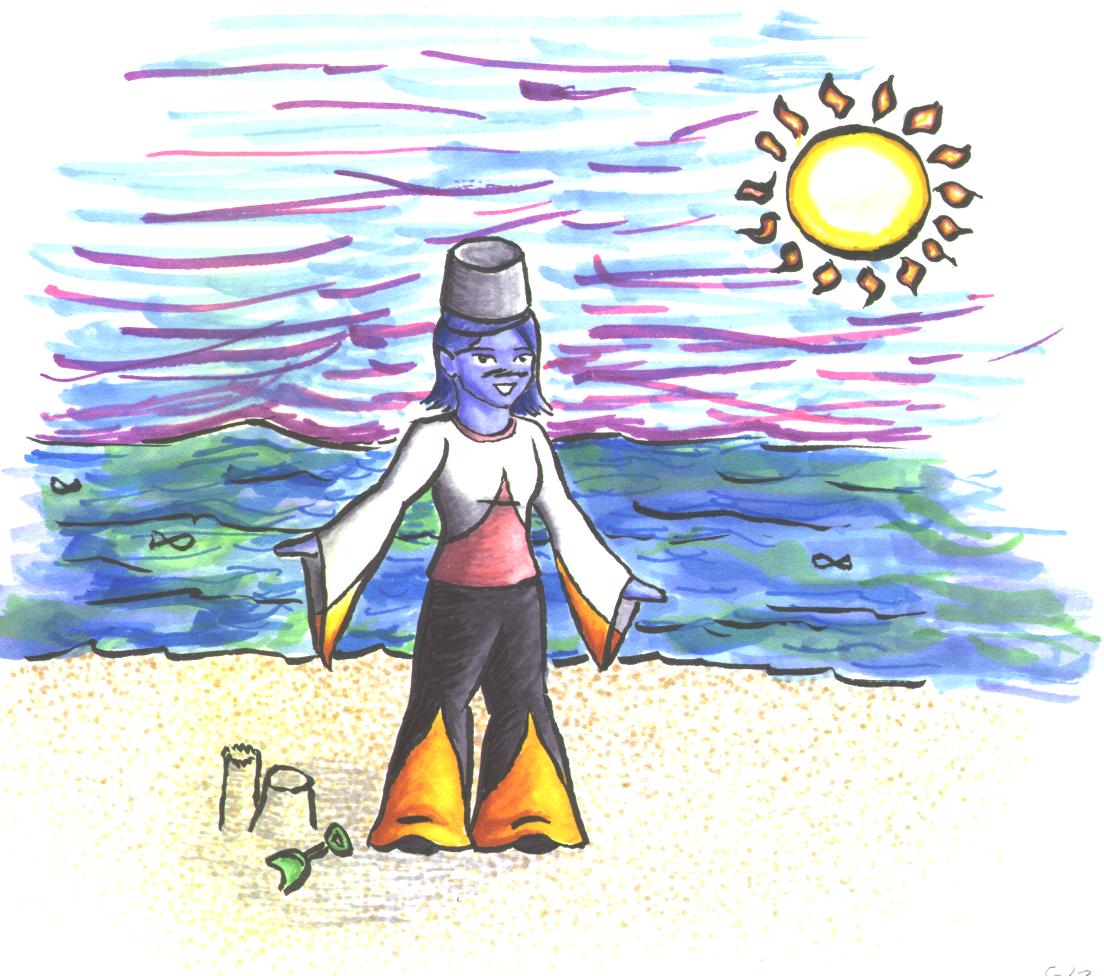
My alter-ego, Jainus. From 2004.

Vironevaeh relief map 800pix

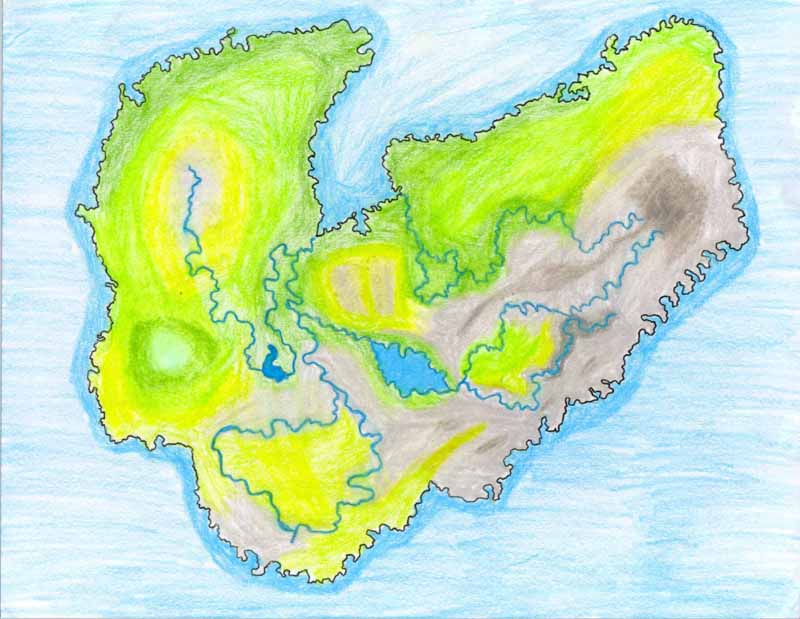
Map of the island of Vironevaeh, from 2004 or before.

building Palace_at_Vironevaeh_Proper

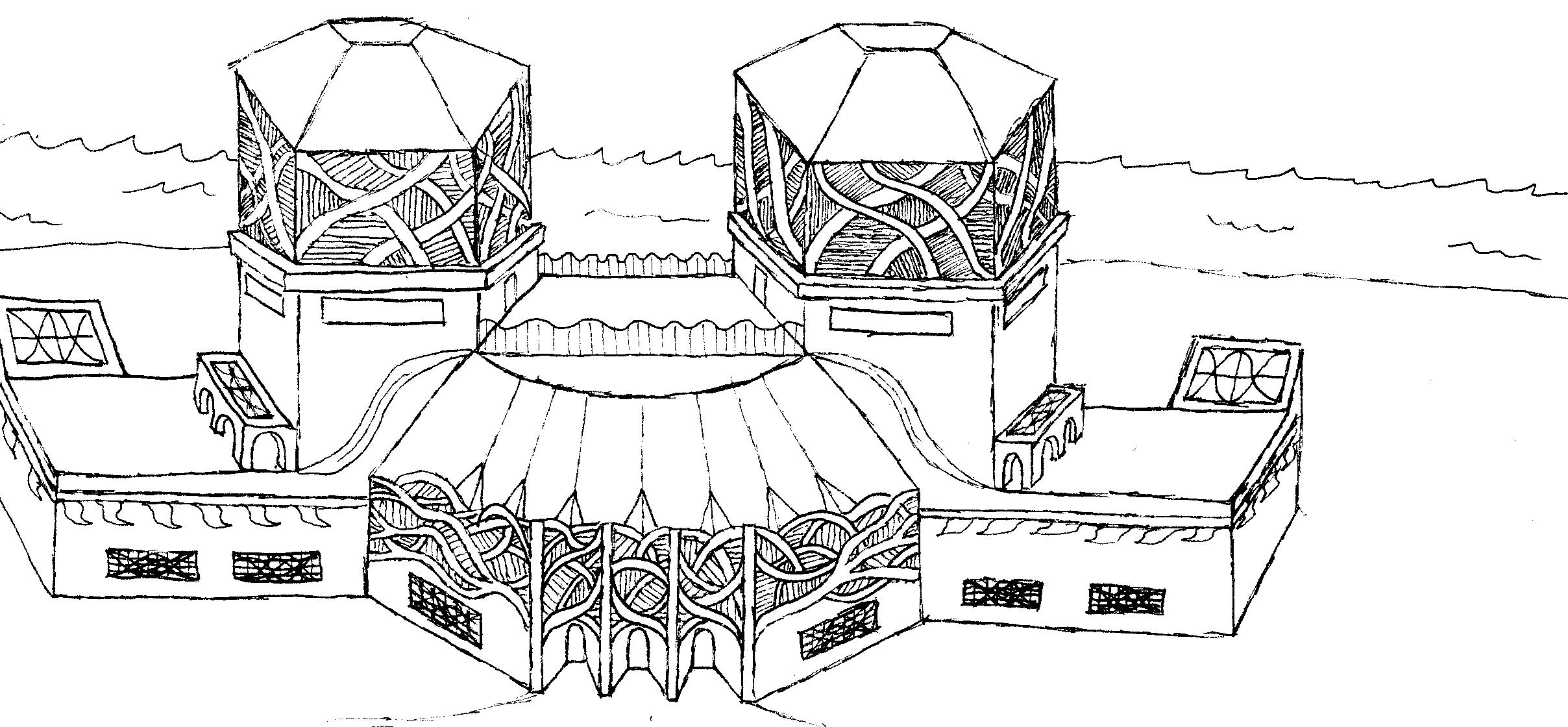
Palace, 2003.

clothing1 v2

Clothing from one historical period, 2007.

ChibiTempest

One of Jainus’ sisters, 2001.

Torwin Trarce chibi pencil tablet

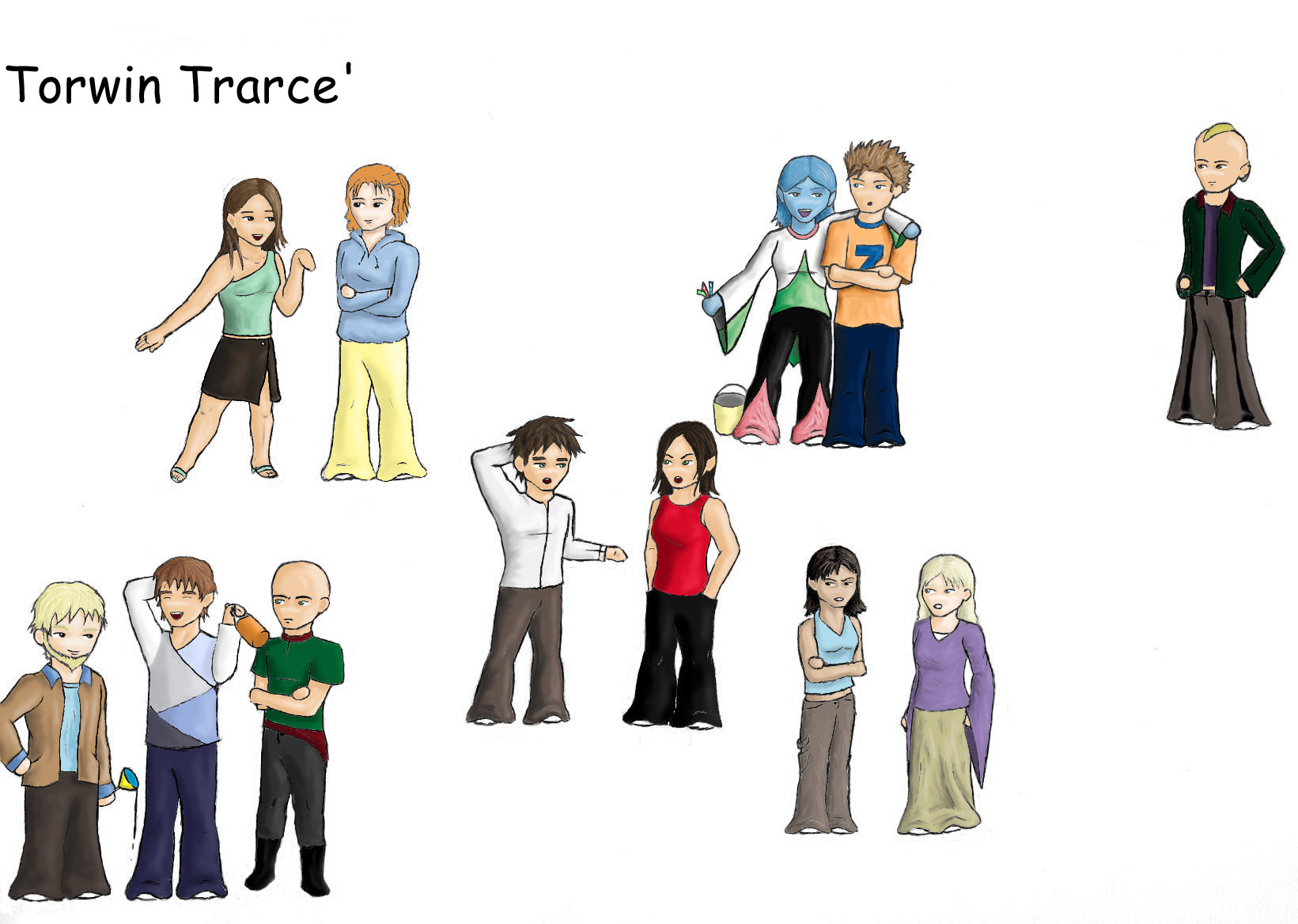
Jainus and her 11 siblings, 2004.

Kolo Kolo Whit in Color

Kolo, a notorious political traitor, 2004.

wormhole invention

Wormholes!, 2011.

Jait Anda Torwin_psd

One of the first Vironevaehns, 2004.


Vironevaeh: Hiroshige Influence

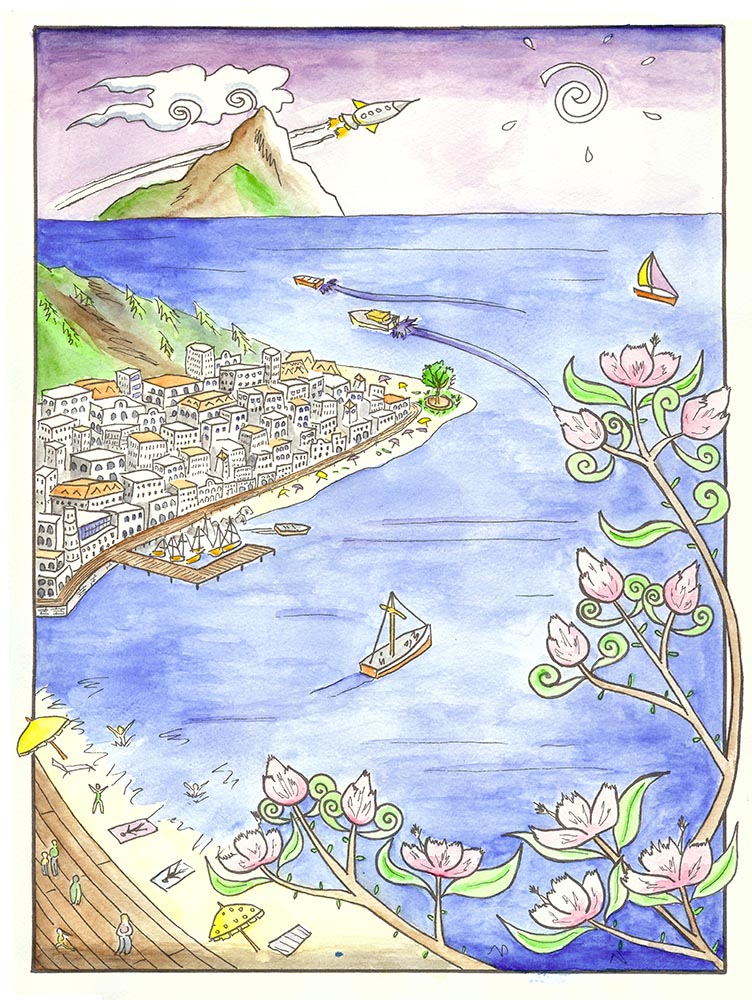
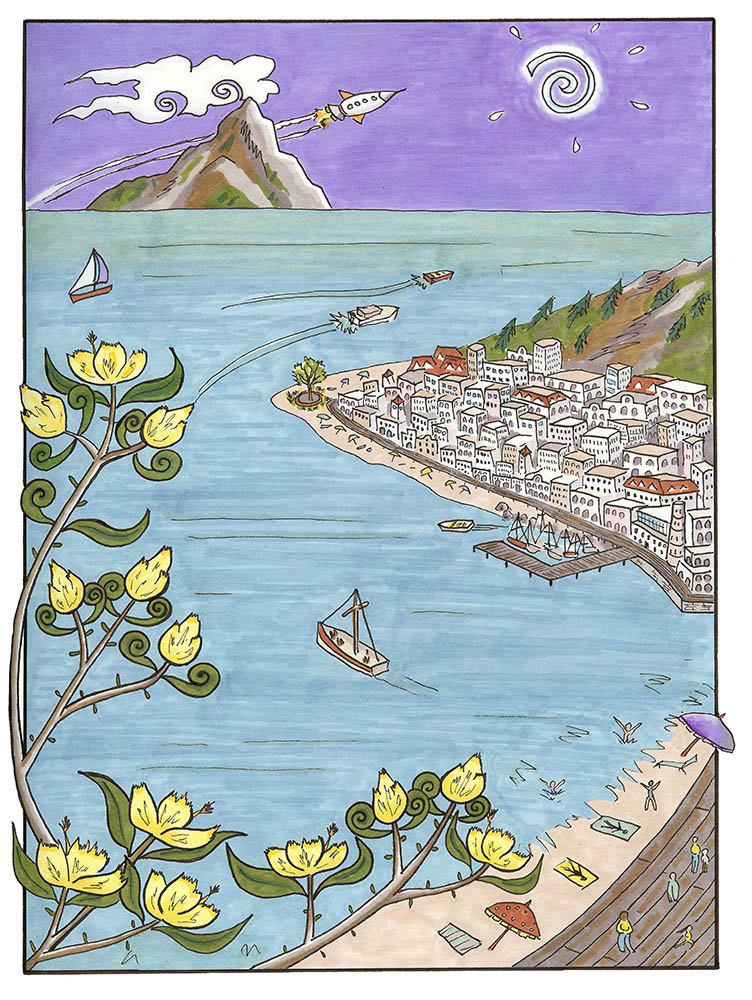
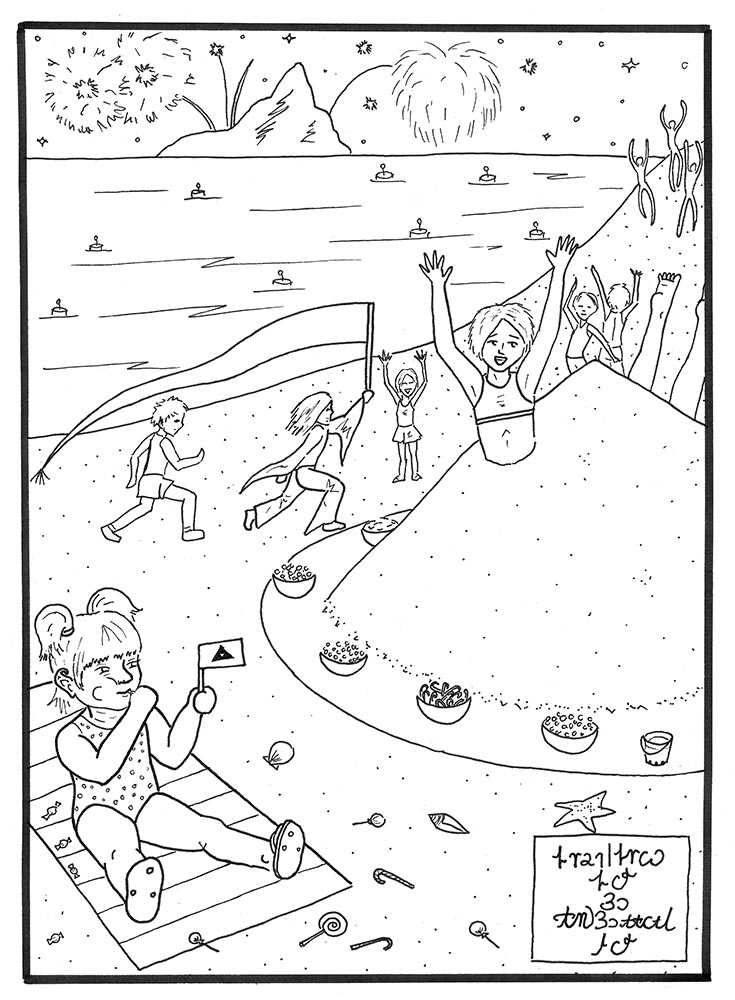
A few weeks ago, I wrote about the paintings of Japanese artist Hiroshige. So I got inspired and tried my hand at something along those lines, something like a science fiction Hiroshige. The drawings are set in the world of Vironevaeh: Science Fiction Fairy Tales (which, btw, is free on iPad =) ).

The first, done in watercolor, shows the city of Vironevaeh on the North Bay with Mt. Viro-Vit in the background. The second is a tweaked version done in markers. The third is the linework for another, depicting a Vironevaehn holiday called Digurtian Day. The Digurtian Day celebration is labeled in Vironevaehn. Many of the Hiroshige paintings are labeled in Japanese, so it felt fun to channel that spirit.

Happy Friday! I’m off to the Virginia Festival of the Book!

viro-city-watercolor-smaller

viro-city-marker-smaller viro-digurtian day-medium

The Joy of Maps

I love maps. Not the ones that are useful, really. The decorative ones, or the ones that accompany a novel. The useful ones have a sort of dryness to them. I was never a big Tolkien fan, but I liked his maps a lot. Vernor Vinge’s “A Fire Upon the Deep” has a map of the galaxy, and I found that added to my enjoyment. I like historical maps too; you get an insight into past culture that comes much more slowly from print. Old maps sometimes have amazingly different spellings and different borders (Capp Codd instead of Cape Cod, for example, on an old american map). Old city maps reveal the old structures that gave rise to the city of today. A few years ago, the university museum had an exhibition of old maps. A lot of these maps remain available online as well.

In school, I used to dream up exotic places and cultures. I’d sit at my desk and draw up a new world. I’d imagine the cultures of the various regions. How the geography might influence the overall culture. Of course how the various different planets would interact.

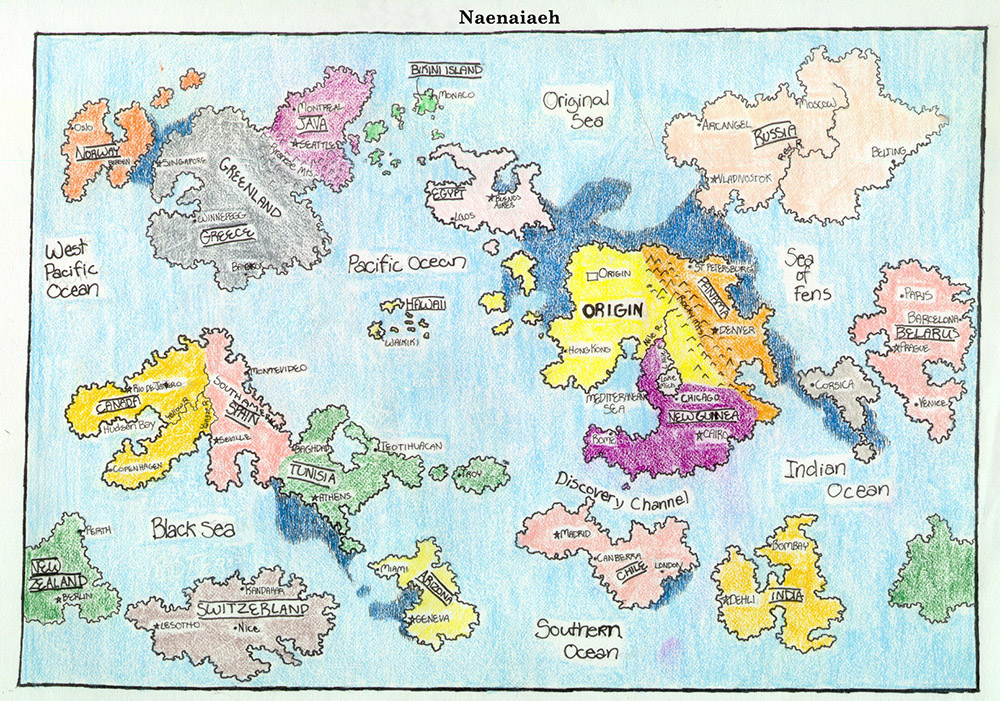
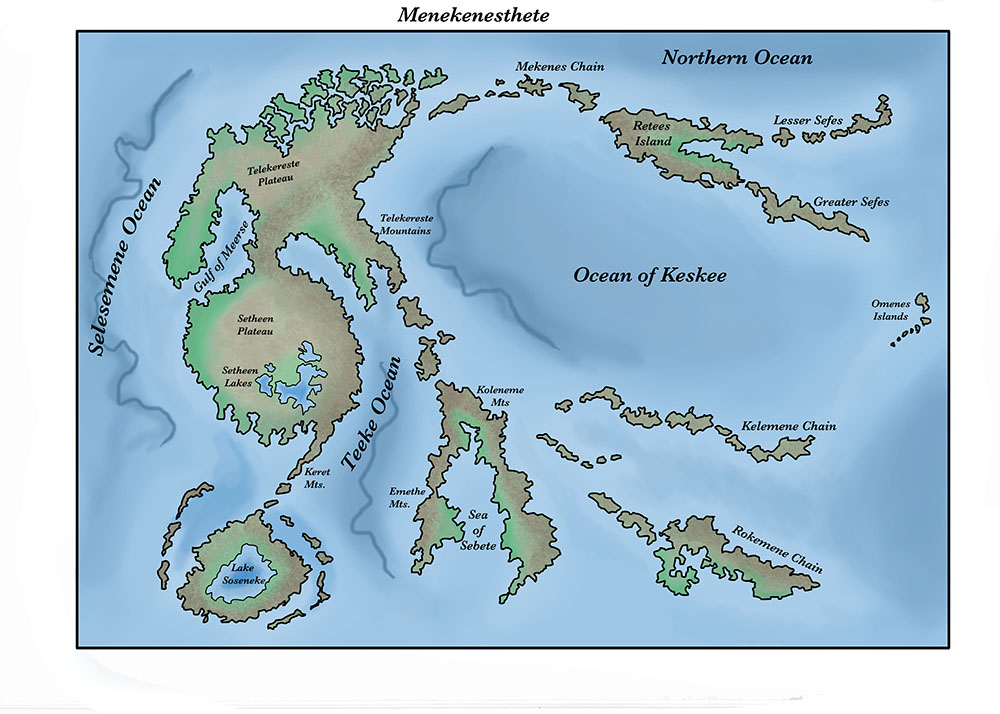
In many ways, Vironevaeh, the universe I’ve played in since I was 10, began because of a map. In 5th grade, we were required to invent a city and imagine what kind of climate, government, and culture it might have. Part of the assignment was to build a diorama of the city. I did a poor job on it (long-term projects weren’t a skill of mine at that time), but the seed had been planted. With the map, I had a connection to the place. Over the odd years of middle school I invented an alphabet, a planet, and several dozen playmate planets. Almost 16 years later, long after the death of that diorama, Vironevaeh lives on. The map of Naenaiaeh, below, is about 10 years old. I’ve been slowly making other maps over the years.

(Side note: I’m not sure if anyone checks this blog on its schedule; you may have noticed my schedule was awry last week. I try to post Monday-Wednesday-Friday. I missed a couple of posts last week due to three days of power outage (brr). But I had a lot of time sitting in front of a fire to dream and imagine new ones!)

map naenaiaeh

The sister planet to Vironevaeh. On Naenaiaeh, the people missed earth, and thus re-used the old names from home.

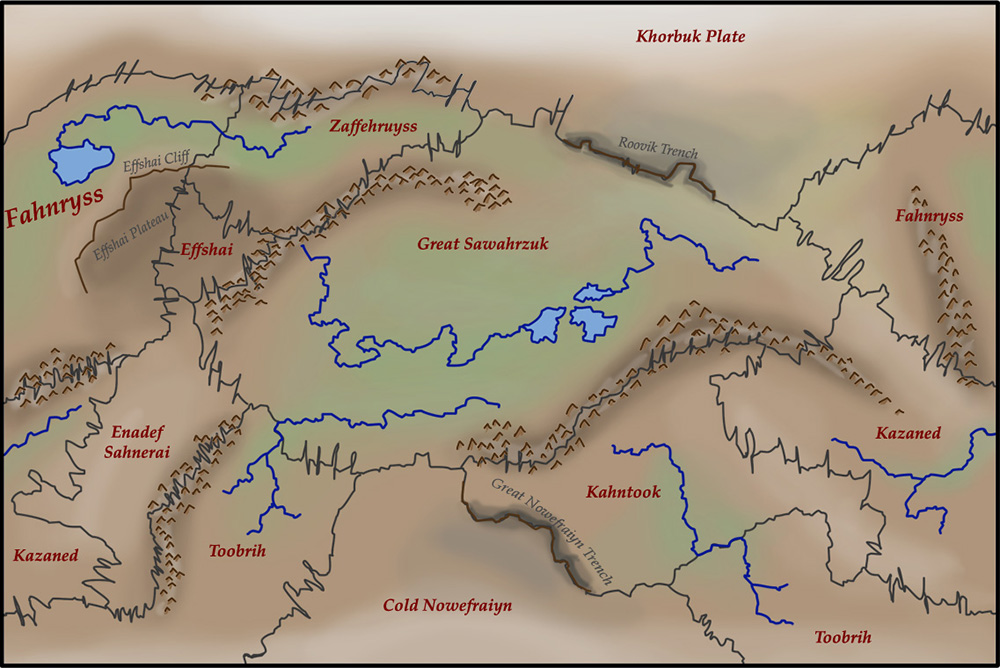
map silveriaeh

Silveriaeh, a planet of almost no water (I did so like the -aeh ending). Dark brown lines indicate fault lines, blue indicate rivers.

map Menekenesthete

Sports Art: Water Polo

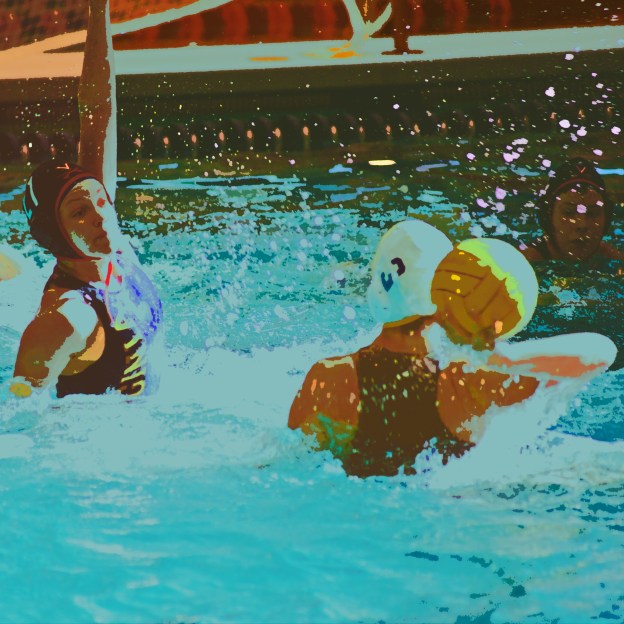
This weekend I’m playing a water polo tournament. When I’m not playing, I like to do a little polo-themed art. I love day-dreaming about playing, and sketching the lines of motion put me right in the water too. When I’m not playing, I also love to photograph the games. In the split seconds, you see parts of the game that disappear at full speed. Plus, there is not a great deal of water polo art, besides that destined for t-shirts. Maybe I can share some of the beauty I see in the game.

Mucha-inspired water polo art

polo-mucha

An in-progress work, with the source photo:Scan-linesSC4A9993


Maori-warrior interpretation of water polo:

littepic4


The backhand shot in water polo, taken from the offensive center position. The offensive center treads 2m in front of the goal, facing away from the goal, with a defender behind.

cutout

Scan 1